




Featured Stories
Let Tiki Oasis Be Your Umbrella

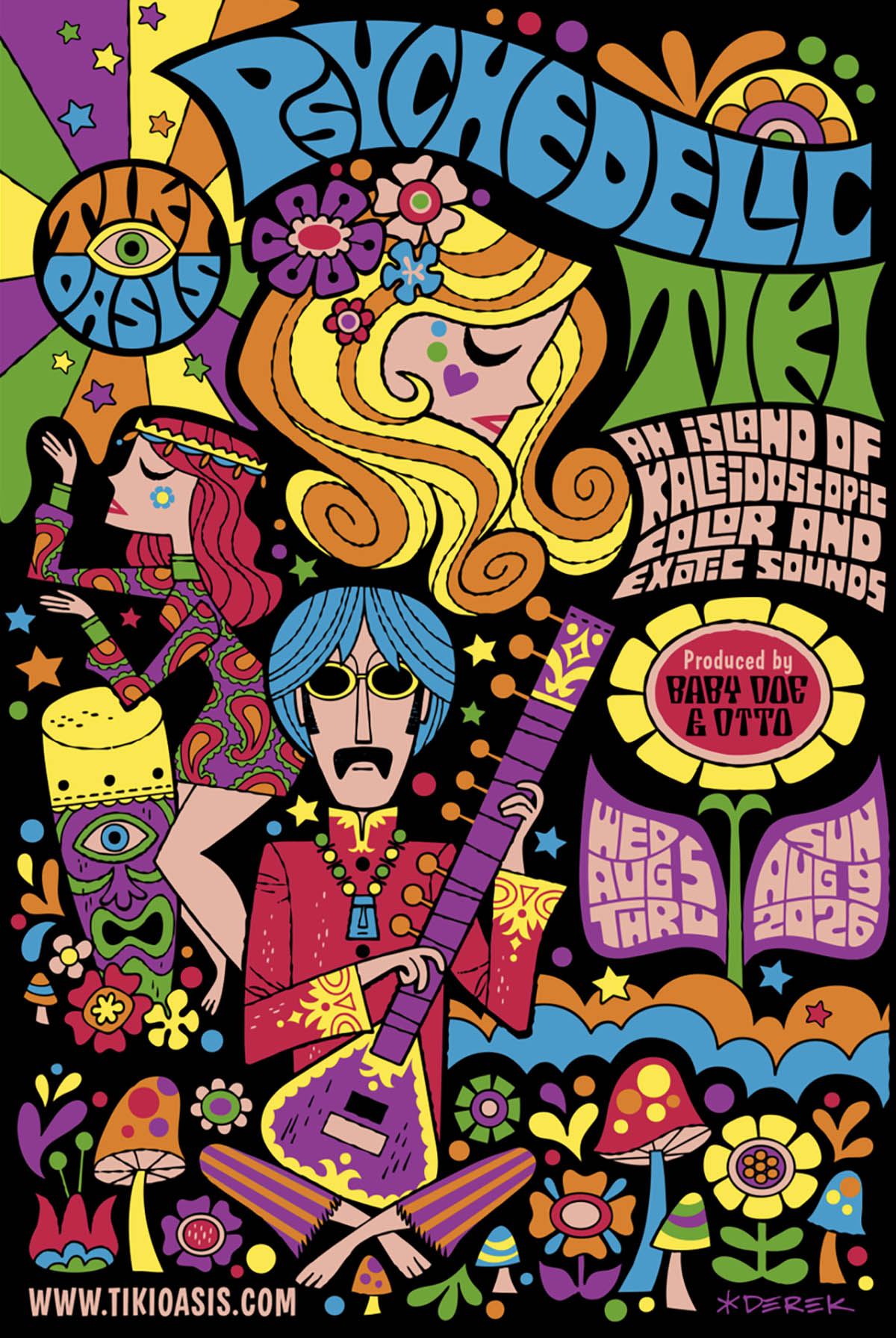
With Tiki Oasis fast approaching, one question remains surprisingly difficult to answer: “What is tiki?” It means different things to different people. It can be a cocktail vibe, a design aesthetic, a ’60s-influenced music genre, a fashion look, a craft tradition, or partially all of those things.
For founder and organizer Otto Von Stroheim, the movement is “a faux fantasy idealized version of the South Seas on the mainland.” As it turns out, this fantasy world has a very real community.
That tiki community will turn out again for Tiki Oasis this year at San Diego’s Town and Country hotel from August 5th through August 9th. The five-day event isn’t just one thing and as elusive to completely define as tiki itself. It’s almost equal parts concert series, expo/convention, classroom, food fair, and a group hang by the hotel pool during the event’s takeover of the grounds.
Otto Von Stroheim, describes the event “almost like a family reunion where people see their tiki friends once a year from all over the country.”
It’s the world’s largest and longest-running festival of its kind and going strong. San Diego makes a perfect setting for tiki culture. Multiple Mission Valley hotel pools have a vibe that can stand in for Hawaii, Polynesia, Tahiti, or other vaguely “island” destinations.
The city has always had a special relationship with tiki. During the 1950s and ’60s, when Americans were fascinated by the idea of the South Pacific, San Diego embraced the style with Polynesian-themed architecture, restaurants, and resorts, which was a natural as San Diego evolved into a sunny tourist destination.
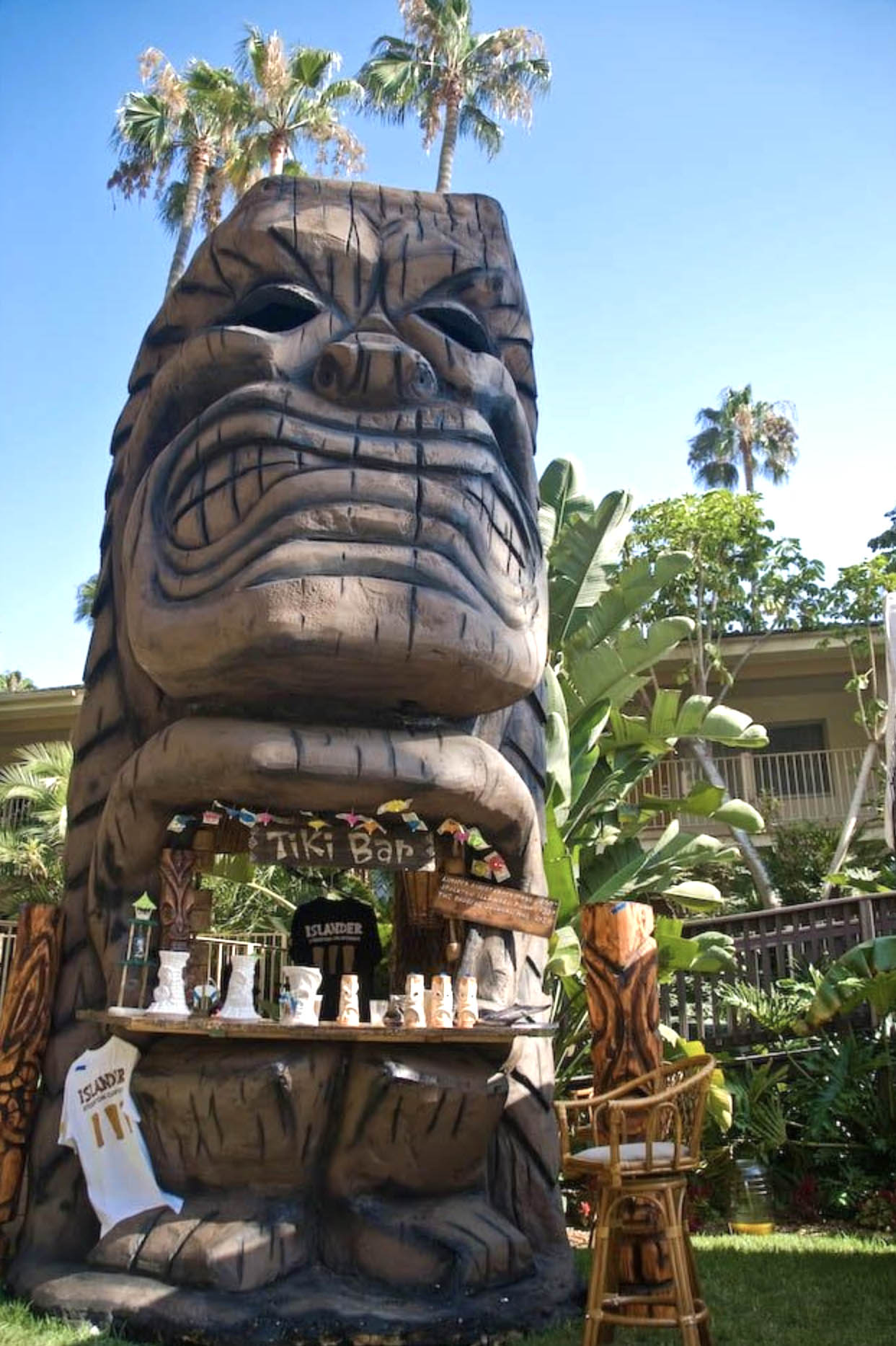
Tiki aesthetics have continued to evolve for decades. Bali Hai on Shelter Island became a local landmark, and locals know that their famously potent Mai Tais come with a two-drink limit. Just up the street is Trader Mort’s, the most Polynesian liquor store in town, and newer spots, such as False Idol and the Grass Skirt, continue to open and become part of the landscape.
This all started circa 1960, around the time Hawaii was made a state and there seemed to be no end to Americans’ fascination with the South Pacific. Tiki bars were all the rage, with elaborate drinks like a Navy Grog, the Zombie, or a Fog Cutter. Tropical decor was a popular decorating choice in suburban homes throughout the 1960s. Movie versions of Mutiny on the Bounty (Tahiti) and South Pacific were huge hits at the time. Tiki’s soundtrack wasn’t limited to true South Seas locales; albums from people like Arthur Lyman or Don Ho would be stirred together with faraway artists like Latin jazz from artists like Esquivel or Cal Tjader.
It’s also what could have been called “lounge music,” and even though it seemed “retro” from the get-go, the genre has persisted. It doesn’t have to be Polynesian to fuel the tiki musical vibe: Latin mainstays like Sergio Mendes or Herb Alpert were evergreen, and in the 1990s there were some terrific acts such as Pink Martini or Combustible Edison who absolutely captured that vibe.
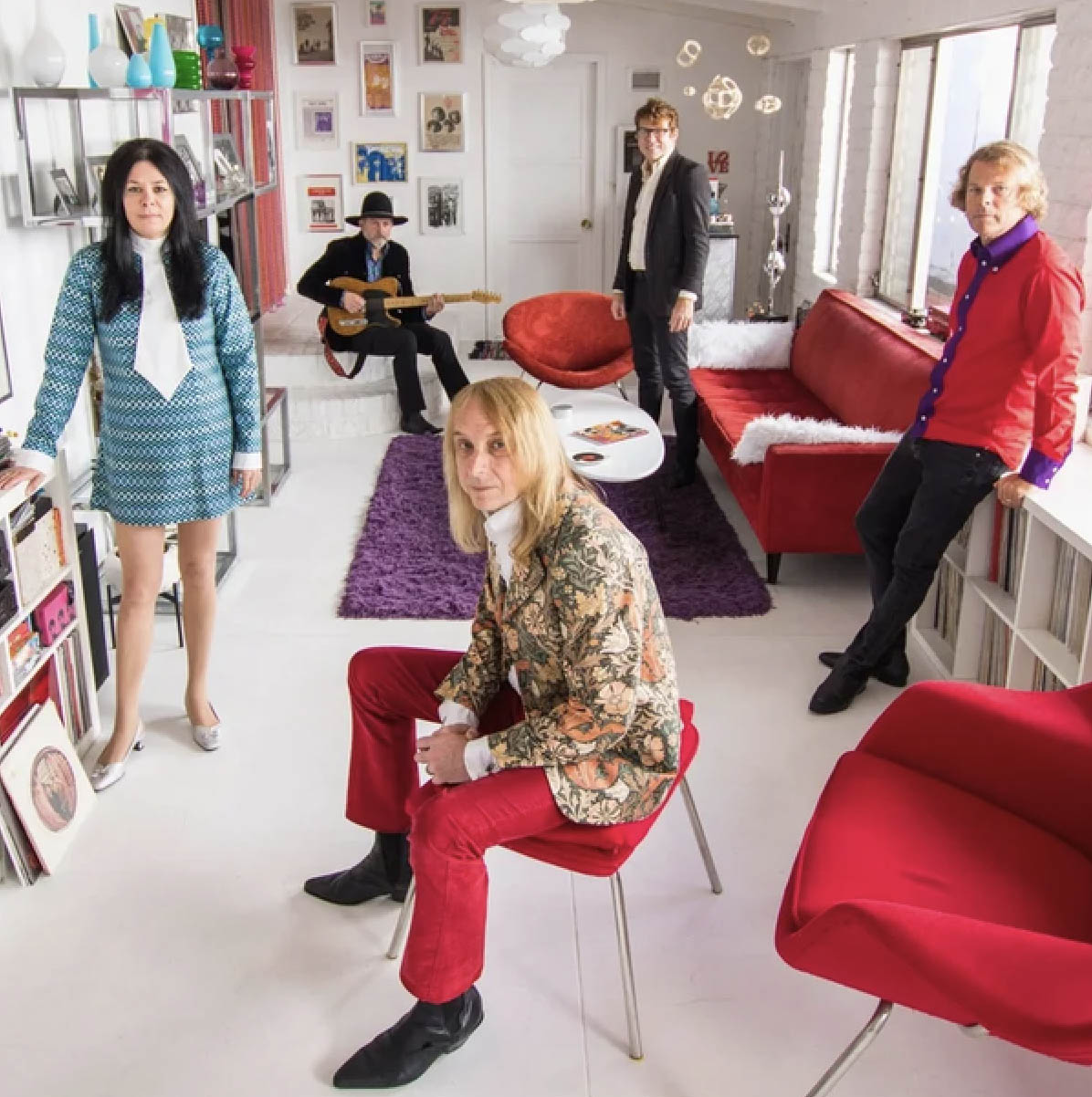
Local band, the Loons, will be playing on Sunday, August 9.
Over 25 live concerts at Tiki Oasis will be happening all week, with more tiki-forward acts like Ukulena and King Kukulele playing, international headliners 5.6.7.8s and Dengue Fever taking the stage, among many others.
This year’s lineup features a special treat with more hallucinatory music fare from acts Strawberry Alarm Clock, Calcutta Kid, and Dubxotica. As if tiki as a general oeuvre wasn’t enough for a festival, the theme for this year’s Tiki Oasis is Psychedelia.
According to Von Stroheim, when it comes to picking a theme, “We love late ’50s and ’60s culture, so we look at things from the time to see if the Venn diagram intersects with tiki.” The 1960s’ flower children were absolutely coexisting in the culture alongside space-age lounge aesthetics. There’s plenty of overlap between island culture and iconic ’60s design: pop art, bright colors, and paisleys can be found in both.
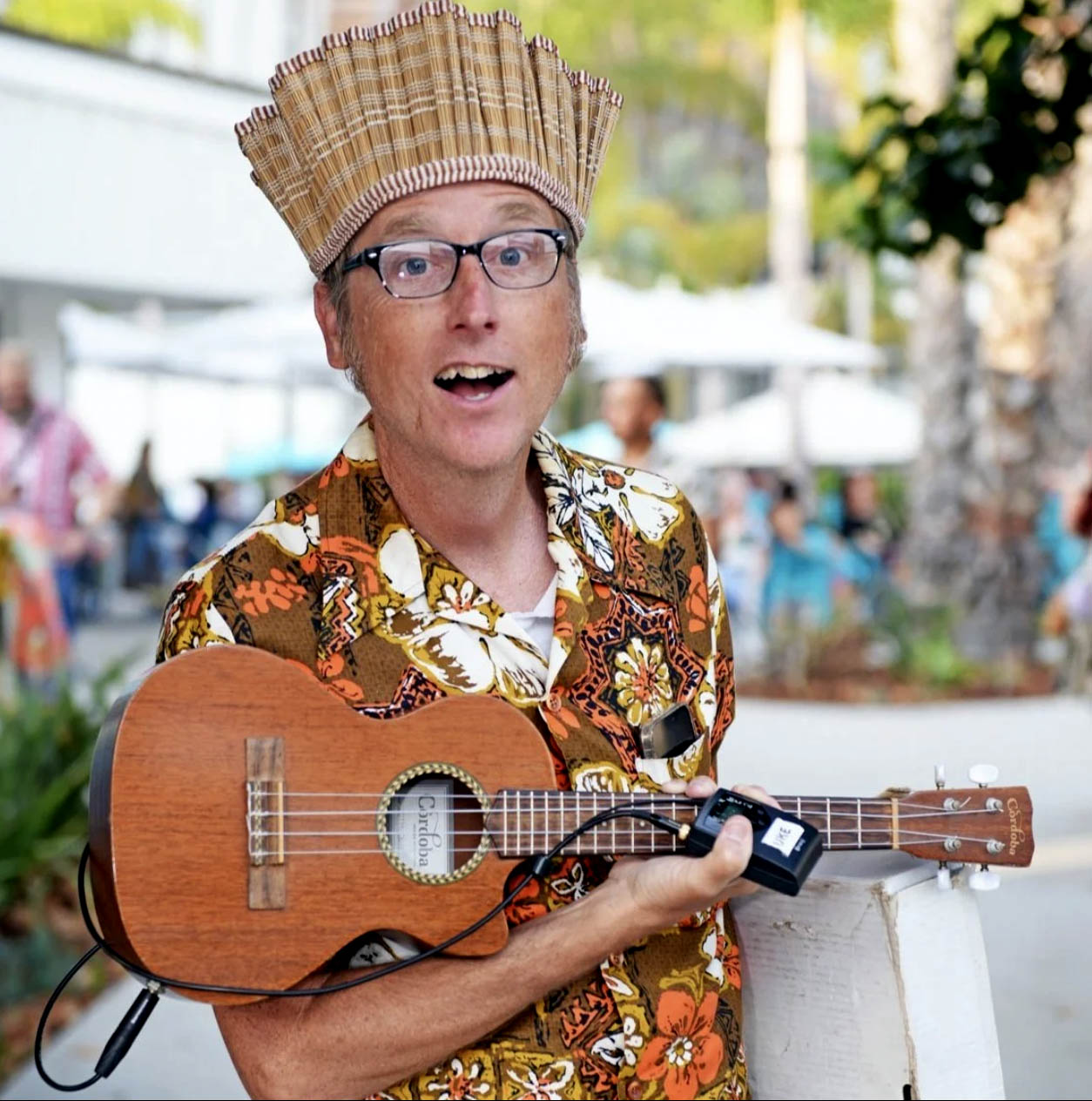
King Kukulele is a mainstay at Tiki Oasis.
The festival’s schedule boasts plenty for hippies old and young: ’60s fashions, pendants, and some sessions titled “Psychedelia Meets the Parents” and “Freak Out Hot Spots!”
Like many mid-century American movements, tiki has a slightly complicated history. The fantasy was often an outsider’s romanticized version of Pacific cultures rather than an accurate representation of them. Modern tiki tries to preserve the creativity, craftsmanship, and hospitality of the tradition while recognizing the difference between appreciation and pure imitation.
Beyond the concerts and headline events, much of Tiki Oasis happens in the smaller moments of food and drink tastings, a ukulele jam, cocktail classes, caftan stroll, luau, a flower “bloom off,” underwater photo station, a large vendor marketplace, and other activities you might not expect.
The festival first started in 2001, making this year’s Oasis a 25th anniversary convention for tiki-loving regulars and newbies. Organizers say that even though there are plenty of every-year attendees from all over, a huge part of the crowd is first-timers.
Von Stroheim remarked, “I directly hear from new folks saying, ‘I didn’t know this vendor marketplace was so huge.’” The large convention space holds 150 vendors, selling a wide variety of goods, such as new clothing, vintage clothes, tiki mugs, and sculpted wood, among others. Von Stroheim added, “Usually the vendor you’re talking to is the person who made it.”
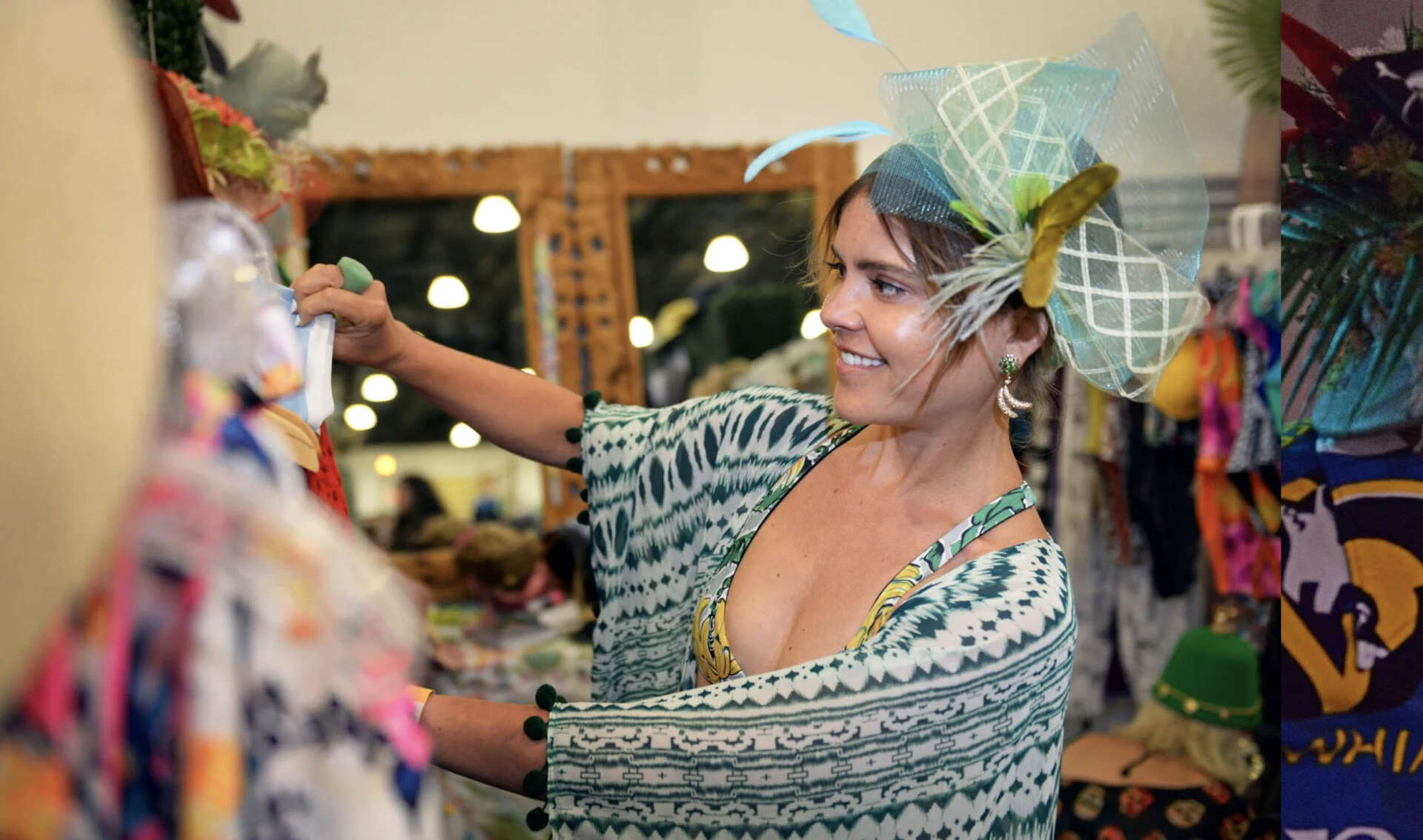
At Tiki Oasis Marketplace, you’ll find a treasure trove of interesting items…
Of course, San Diego’s mainland island feel is a huge part of Tiki Oasis’ success. The tiki philosophy is adjacent to the “Aloha spirit” and surf culture in general.
San Diego’s iconic Pacific vacation hotel, the Catamaran, will be the site of Wednesday’s opening night luau. The Catamaran has no shortage of Polynesian art and architecture as a permanent fixture.
After Wednesday at the Catamaran, the rest of the week’s events are in the Town and Country. Single-day visitors are encouraged to take the red-line trolley and walk a block from the stop instead of fighting for parking, which will be limited and largely occupied by weeklong guests.
Note: Children are encouraged to attend but must be accompanied by a parent. Dogs are also welcome. The event’s website can be found at https://www.tikioasis.com. It’s also worth checking on which events do not require a festival pass, such as the vendor expo at certain times throughout the week.
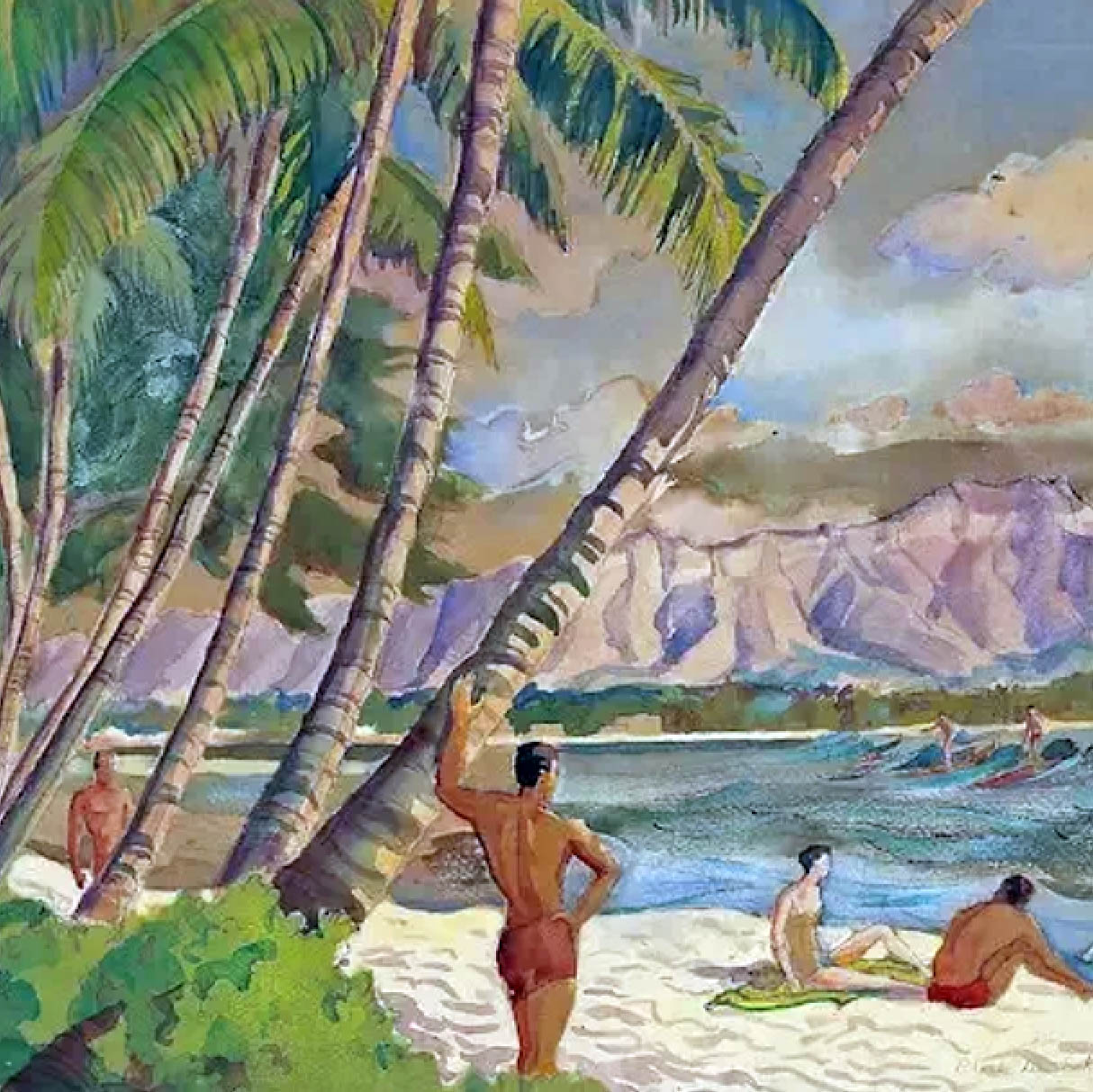
Want to learn more about Tiki culture? The seminars cover many interesting topics.
Another mainstay of the festival will be more than 40 seminars. Von Stroheim reminds first-timers, “The people speaking are experts in their field. If you have interest in the topic then that’s an amazing moment.”
That may be the secret of tiki’s longevity: everybody doesn’t need to experience it the same way. For some, it’s the cocktails. For others, it’s the music, the art, the clothes, the craftsmanship, or simply a place to meet old friends once a year. Tiki is in the eye of the beholder—and that might be exactly why it has lasted.
Whether someone arrives for the seminars, the marketplace, the music, or just a poolside Mai Tai, everybody gets the chance to decide what tiki means to them.
Who knows? First-year attendees can end up joining the every-year regulars for whom Von Stroheim described as a reunion of like-minded Tiki Oasis friends.

