



Smoke Signals
Reverb

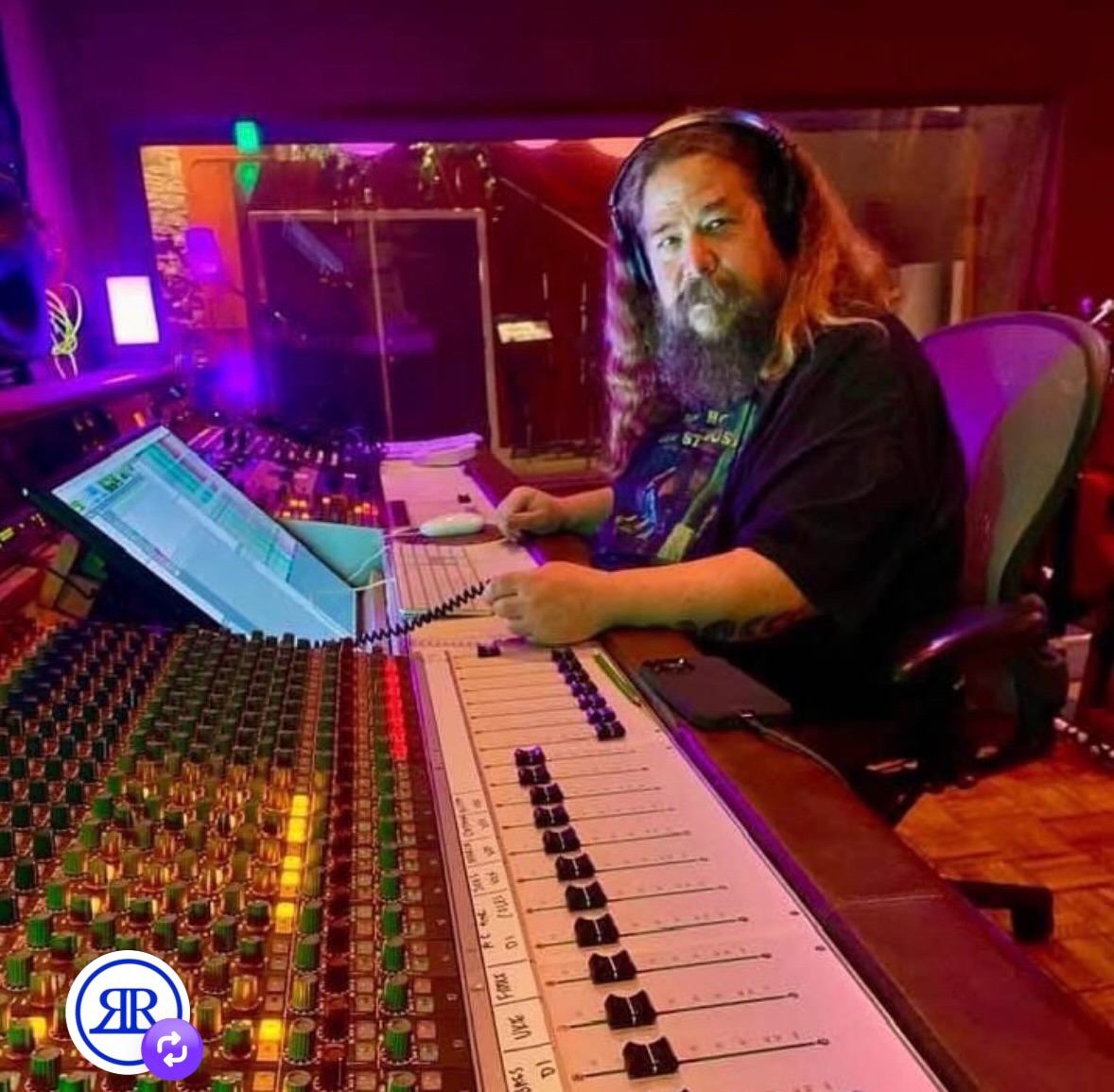
Hey, nice to see y’all! How are you? I truly hope everyone is great. It’s not easy out there at the moment. Hang in there. Let’s give ourselves a break from it all and talk about something fun! Reverb!
For some folks, it’s a must-have and part of the sound they like to present their voice or instrument with. For others, it’s a crutch or something they feel gets in the way of their voice or instrument. Others still find a balance between the two and use subtle amounts!
I think all three are absolutely true. Reverb is a case-by-case proposition.
Analog reverbs started out as a way to add depth and space to an instrument or vocal. Spring reverb, plate reverb, and actual reverb chambers were the beginning of the fun!
Chambers are neato! It’s where speakers are brought into rooms designed to reverberate in rad ways! Also, microphones are brought in. Engineers would pump the signal through the speakers and record the reverb in that chamber through the microphones. Then they would mix that into the songs they were recording.
As recorded and live reinforced music became more prominent, there was a need to recreate three dimensions around different elements of the music. The sound of an instrument or voice on a microphone is very dry. At least in a controlled studio environment or a dry venue. With a very dry signal, it’s great to be able to add some reverb to make it feel like it’s in a space and has some air around it. This can act like a buffer in the mix. That keeps those elements in thier own space
A spring reverb is literally having the music element run past metal springs that then reverberate and are picked up electronically and amplified either through a mixing console or an amplifier. It’s really cool!
A plate reverb is actually a metal plate, usually in a wall or some sort of enclosure. The music is cast onto the metal plate that then reverberates and is picked up electronically and brought back into the studio or amplifier. Those are really amazing as well.
The other kind of reverb—and my favorite—is natural or ambient reverb. This is the kind where you’ve got a cool room and you put the player and instrument, amplifier or singer in a space that sounds amazing and then, you mic that space.
It’s a really really fun way to create your own reverbs and your own spaces in your recordings. If you’ve never tried this before, you can actually use your phone’s memo app to try it out yourself.
Just find a room that you like, move the phone around until you’re able to capture both yourself and the reflections in the room in a very balanced and musical way. Then just perform the hell out of the song while you record!
There are lots of different styles of reverb, and I have learned to lean into all of them as a performer and a producer.
As a performer, I actually don’t like to use too much reverb live. I just like to let the sound system reverberate in the room. This is similar to how I record my records. I just like to sit in a really cool room and play the songs. That allows the listener to feel like they’re in the space, listening right along with me performing it.
Some folks like big, canyon-sized reverbs. Almost like a sauce on their voice. They learn to change their vocal inflections to hit the reverb a certain way and create a sound or a vibe. It can be quite magical.
Reverb can also get in the way and become something that draws attention away from the singer or instrument or song.
That’s really up to the artist to decide. How do you want the listener to perceive your art? The reverb can be a huge part of that.
I tend to lean more toward the tactile uses like creating air and space in a live or recorded mix.
There are lots of really fun and wonderful ways to use reverb as a musical tool. Just like anything it can be used to create magic and power in your art and draw people’s ears towards what you’re trying to give them. It can open up their hearts just like anything else as long as you use it right.
Jeff Berkley is a San Diego songwriter, musician, and producer, whose soulful writing, guitar mastery, and visionary production have shaped the Southern California music scene. He has collaborated with icons like Jackson Browne, David Crosby, the Indigo Girls, and Ben Harper; in 1999 won the Kerrville New Folk Songwriting Award. With his bands Berkley Hart and Jeff Berkley & the Banned, he has earned multiple San Diego Music Awards, including Artist of the Year in 2023, and was inducted into the San Diego Music Hall of Fame. Berkley has released numerous acclaimed albums and continues to perform, produce, and create music rooted in heart and storytelling.

