



Featured Stories
San Diego Arts: An “Economic Engine” that Needs Gas

Philosopher Eric Hoffer wrote that for any place to be a creative paradise, it had to be an easy place to live in, without turmoil, bad weather, or the other kinds of degradations common to places run by hostile, inefficient zealots. It had to have capital, both the real kind and the intellectual form. It had to be free from institutional or social memory so that no lasting stigma was attached to failure. This allowed for experimentation, innovation, creation, and continued refinement by creatives of all kinds unbothered by hostile social gatekeepers. And it had to have resources of the things needed by Creatives to work, build, and experiment. Hoffer may as well have been talking about San Diego. This city and state have all those things in abundance; here, almost everything Creatives need is available. Until recently, there was a fair amount of public money from City available to Arts that allowed them to continue, if not radically expand. People made a living in Arts here in good times and bad.
That changed suddenly when Mayor Todd Gloria cut the budget for Arts without warning, saying that City needed to cut superfluous spending to balance a very unbalanced budget that he created. Even though some of it was returned—after much public outrage—the message from the mayor is clear: Arts are not a priority when it comes to public money. Arts are expendable. Arts are the first to go when the going gets weird. That perception needs some correction by those in Arts here, who usually claim that “Arts are an economic engine” that produces revenue, jobs, and some kind of plenty for enough voters to matter.
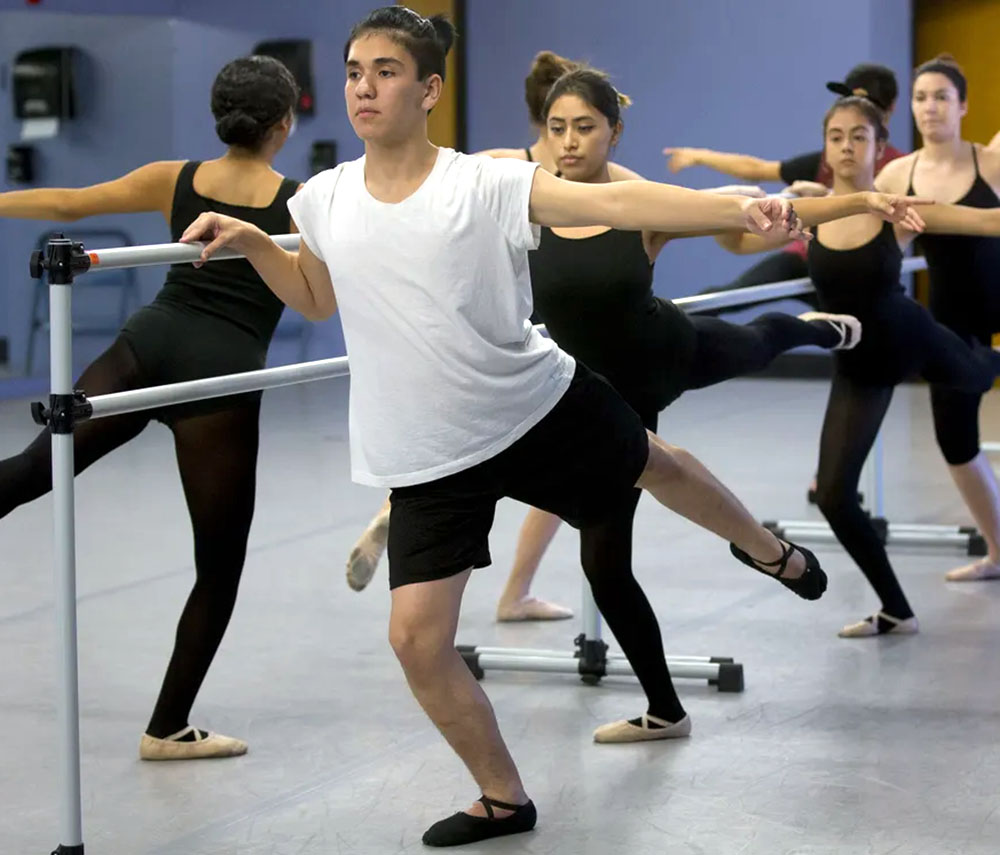
Though San Diego has many first-rate Arts organizations that work ardently to expand the world of creativity and culture here, they suffer from a perception—obviously shared by Gloria and City government—that as (mostly) non-profits, they exist only by a kind of favor from government. They aren’t profit-making businesses and are somehow lesser than the economic engines of Capitalism. Arts has a perception problem by the pols and some of the public sees culture as inferior to profits, dividends, and return on investment. And Arts, sadly enough, haven’t dented that failure of adequate perception well enough to protect themselves and their—and your—futures.
Changing that perception should begin with a better reckoning—of jobs created, money directed through local and other economy, economic growth among creatives, and their impact on the local scene in money terms. That reckoning might take a new, dedicated Arts organization entirely, one that works Arts from the ground up, to support new and emerging artists, appraise and tabulate the financial impact of Arts in the economy here, and stridently take a place among the political scene of City and County to lobby for Arts, select and elect candidates to office friendly to the Arts and expand that world across borders.
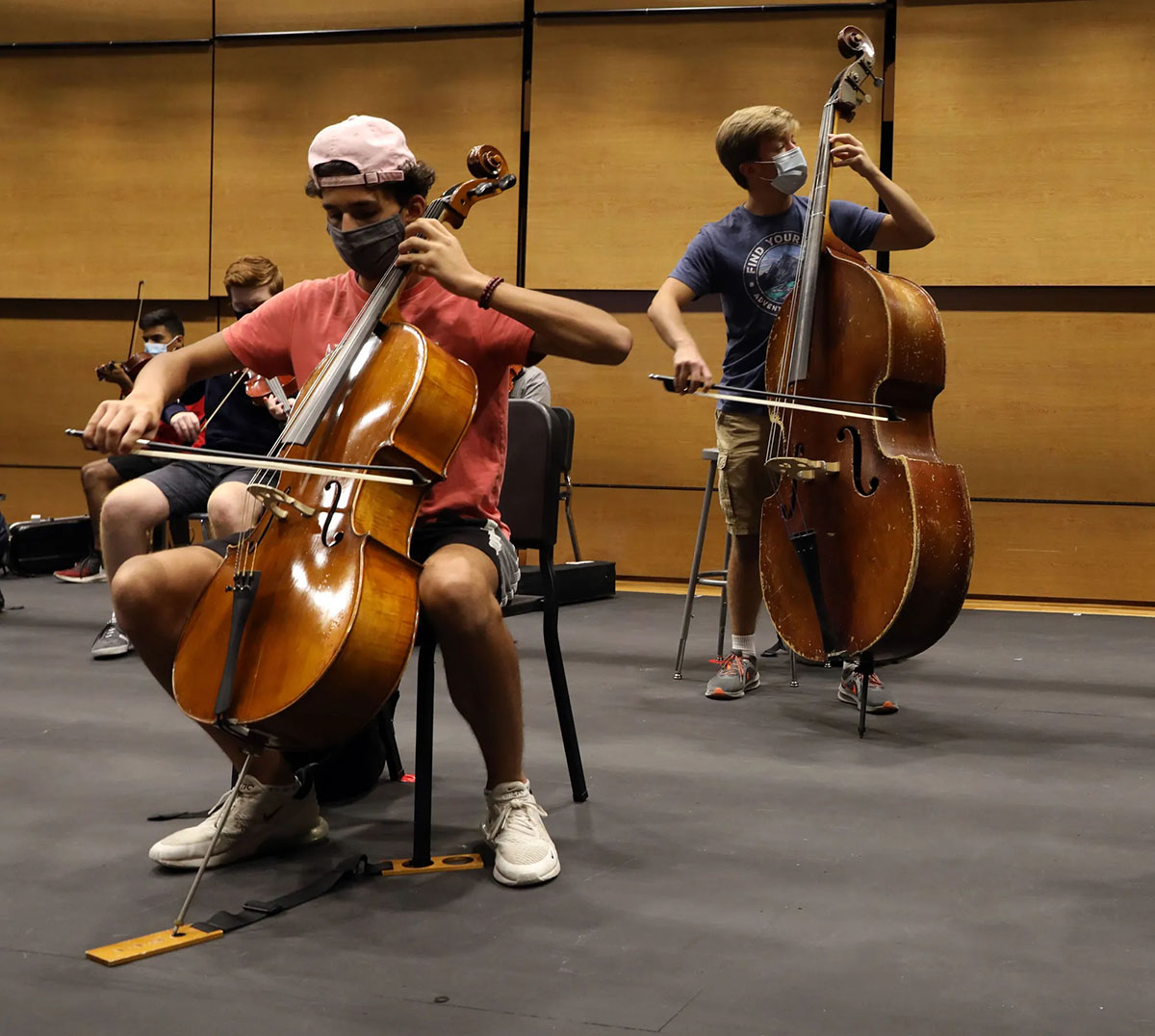
Imagine an Arts organization that works with the real estate business, to find and secure suitable, reasonable buildings ignored, abandoned or underutilized that may be repurposed as studio/work spaces. One with a functionary whose job is to scout suitable buildings, find and contact owners, and urge them to rent to a waiting body of creatives able to pay a subpar or close to market rent for a given period. Imagine an Arts organization that marshals the hundreds of coffeehouses, breweries, wine bars, and other suitable places to function as galleries for the new, upcoming artists needing spaces to show their works. An organization that finds and draws artists from immigrant diasporae here—the Chaldeans, Russians, Vietnamese, Ethiopians, Indians, and others that live in isolated, overlooked communities here. One that actively seeks out minority-American artists and creatives, unafraid of government seeking to suppress Diversity, Equity, and Inclusion as a working ideal. An Arts organization that creates its own media across all platforms to feed an Arts message to media here and elsewhere and opens itself to the works and artists—and artisans—of Tijuana and Baja, and stimulates cross-border trade along the way.
So where might money for this new and ardent Arts organization come from? Maybe they might tap the usual pockets, but perhaps added to that kind of development might be an approach to some of the tech giants here, especially if some creatives or kinds of creatives showed interest in involving high tech as art. Real estate developers may benefit greatly from neighborhoods where artists colonize and create in; they probably have interest in increased real estate values brought about by artists laboring in areas forgotten and undervalued.
Beyond that, a new, united, and strident Arts consortium could and should work Politics in Arts’ favor. One of the things that needs changing pronto are the out-of-date and mind law codes limiting music here. Theatre—from the ground up—perhaps in the style of the SD Fringe Festival—need more spaces for more performers to work their talents. Limits on what can be done where and by whom need some careful review by someone with enough political horsepower to effect needed changes. And while mere non-profs may be limited in actual lobbying, campaigning, and championing candidates and causes, such organizations that work for and by Artists of all kinds might subtly encourage those Artists to use their talents in ways to influence voters at election time. It’s about time for that to be a norm here.
One hopes that such ideas come to pass. It was a brutal check to friends everywhere to suddenly find that their jobs and way of life was upended by a panicked mayor suddenly rushing to correct an imbalanced budget brought by unbalanced leadership. Our friends in the Arts deserve much better.

