



Music and the Law
Getting Sponsored, Endorsement Deals, and the Legal Trade-Offs

Introduction
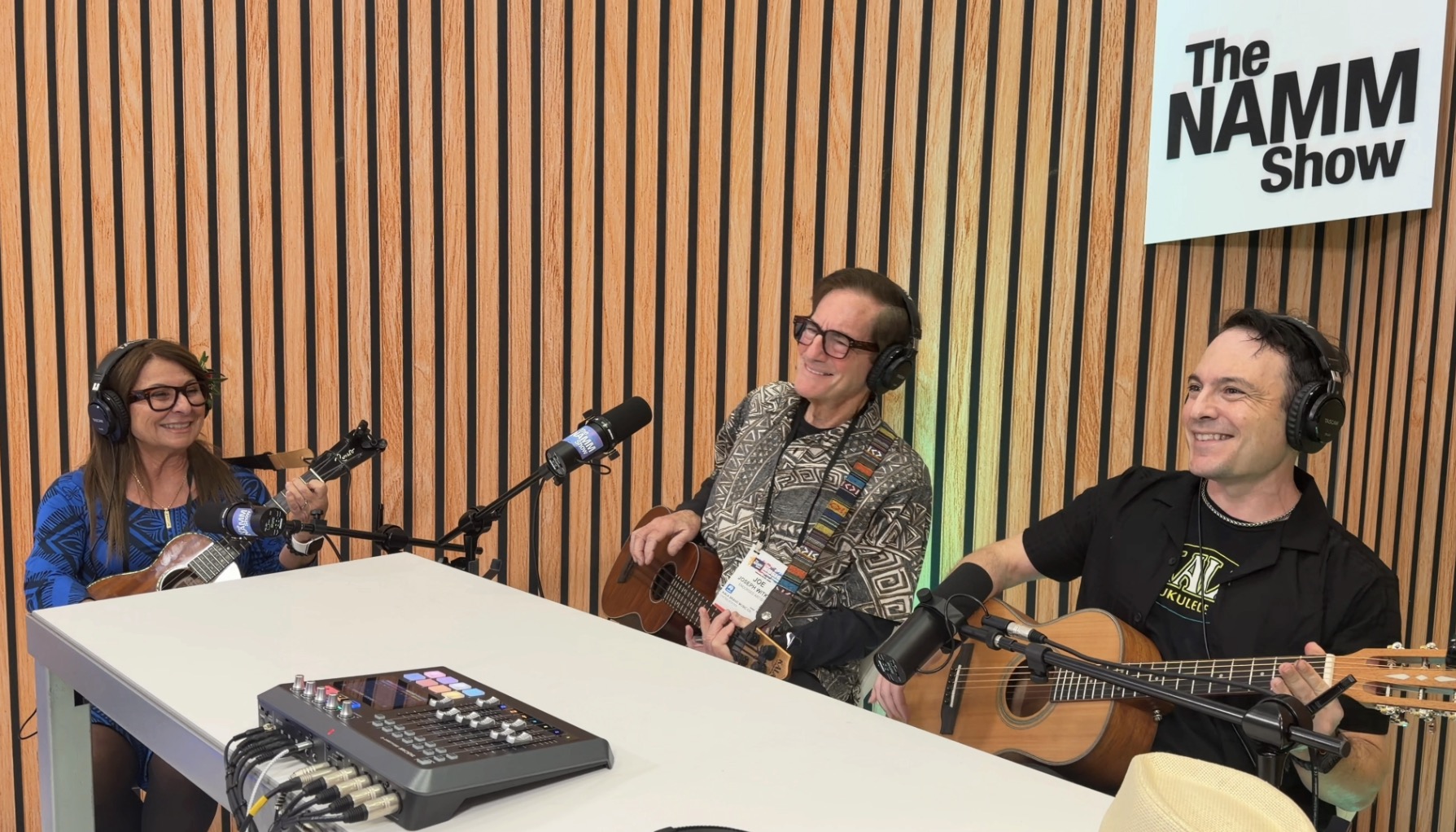
Slack Key ‘Ohana performing at the NAMM show on behalf of Kala Brand Music. Photo Courtesy of Reba Marabotto / Mehe‘ula Music Productions.
Artist sponsorships and endorsements occupy a unique place in the modern music industry. They are often viewed as milestones of professional success, signaling validation from established brands while providing tangible support to working artists. At the same time, these relationships carry legal and business implications that are frequently misunderstood or overlooked. Understanding how sponsorships and endorsements work, what rights are exchanged, and how artists can realistically position themselves to obtain them is critical to making informed decisions and avoiding unintended consequences.
I. Sponsorships vs. Artist Endorsements: Definitions and Industry Purpose
Although the terms are commonly used interchangeably, sponsorships and artist endorsements are not identical.
An artist endorsement typically involves a brand aligning itself with an artist’s public image and credibility. In exchange, the artist may receive discounted or complimentary products, early access to new releases, or limited financial consideration. Endorsements are often relationship-driven and may begin informally before evolving into more structured agreements.
Sponsorships tend to be broader and more formal arrangements. These agreements often include defined financial compensation, marketing obligations, exclusivity provisions, and a clear scope of deliverables. Sponsorships are frequently memorialized in written contracts and may involve custom products, signature models, or ongoing promotional campaigns.
From the company’s perspective, both sponsorships and endorsements are marketing investments. Brands seek authenticity, visibility, and access to niche or influential audiences that traditional advertising cannot easily reach. From the artist’s perspective, these arrangements can reduce operational costs, provide financial support, enhance credibility, and open doors to additional professional opportunities. When structured properly, they function as mutually beneficial partnerships rather than one-sided favors.
II. The Legal Landscape: Scope, Scale, and Rights Exchanged
The legal obligations associated with sponsorships and endorsements vary significantly depending on the formality and value of the relationship. Understanding where an arrangement falls on this spectrum is essential.
At the informal end, many artists begin with unwritten or minimally defined relationships. These may include wholesale pricing, discounted services, or occasional product support. Such arrangements typically do not impose exclusivity, posting requirements, or appearance obligations. While flexible and low-risk, informal deals offer little protection to either party and can lead to misunderstandings if expectations are not clearly communicated.
As relationships become more formal, the legal considerations increase accordingly. Written endorsement or sponsorship agreements often define compensation, term length, scope of use, and marketing responsibilities. At this stage, artists may have significant obligations or restrictions, including:
- Exclusivity, such as limitations on using or publicly endorsing competing brands
- Control over name, image, and likeness for marketing and promotional purposes
- Approval rights related to branding, messaging, and public representation
- Mandatory social media posts, appearances, or event participation
- Long-term commitments that limit future partnerships
A central principle governs these agreements: the more value an artist receives, the more rights the brand will typically require in return. Artist leverage matters. Factors such as visibility, consistency, audience engagement, professionalism, and reputation directly affect negotiating power. Artists should also be mindful that poorly drafted agreements can restrict creative freedom or impede career growth long after the initial benefit has been realized.
III. How Artists Can Position Themselves to Secure Sponsorships and Endorsements
There are no shortcuts to sustainable endorsement relationships. Most successful arrangements develop gradually through professionalism, consistency, and relationship building.
Artists are well served by starting small and allowing partnerships to grow organically. Many long-term endorsement relationships begin with modest support and expand as trust and mutual benefit are established. Reliability and professionalism are often more valuable than raw numbers.
Being easy to work with remains one of the most overlooked yet decisive factors. Clear communication, meeting deadlines, honoring commitments, a good attitude, and treating industry contacts with respect are essential. The music industry has a long memory, and reputations travel quickly.
Artists should also have realistic expectations, understand and track their value. Engagement metrics, audience demographics, and consistency often matter more than follower count alone. Brands want to know not only how many people an artist reaches, but who those people are and why the association makes sense.
Finally, genuine relationships matter. Trade shows, showcases, conferences, and industry events continue to play an important role in developing professional connections. Authentic conversations and long-term trust consistently outperform transactional outreach.
Conclusion
Sponsorships and endorsements are not rewards; they are partnerships governed by business realities and legal obligations. Artists who take the time to understand how these relationships function, what rights are exchanged, and how to approach them strategically are far more likely to build sustainable, mutually beneficial arrangements that support long-term careers rather than short-term gains.
Slack Key ‘Ohana performing at the NAMM show on behalf of Kala Brand Music. Photo Courtesy of Reba Marabotto / Mehe’ula Music Productions.

Brian Witkin runs a boutique entertainment law firm in Del Mar, California. He is also an award-winning musician, producer, and CEO of Pacific Records. Brian has spent over two decades in the record business, is a Grammy Voting Member of the Recording Academy, and an official Ovation Guitars artist. As a performing artist and musician, Brian has both recorded and performed alongside acclaimed artists including ZZ Top’s Billy F. Gibbons and four-time GRAMMY winner George Kahumoku Jr.
Note: This article is for general informational purposes only and does not establish an attorney-client relationship. The information is deemed reliable but not guaranteed. Every situation is different, and the general information contained in this article may not apply to your specific situation. The author and publisher assume no responsibility for actions taken based upon the contents of this article. Seek the advice of counsel for your specific situation.

