


Music and the Law
Music and the Law: Top Five Most Common Mistakes I’ve Seen Artists Make and How to Avoid Them

I’ve had the privilege of working with hundreds of artists over the years (both as a creator and on the business side) and there’s a pattern that keeps showing up. It isn’t lack of talent. It isn’t a failure to hustle. It’s simple: a misunderstanding of the business and legal realities that shape modern music careers.
These are lessons I’ve seen play out again and again, issues that can slow down or even derail a promising career or project long before the music ever gets heard by the world. My aim with this column installment is not to lecture but to give you the benefit of experience so you can sidestep common pitfalls and focus on what’s most important- making great music
- Uncleared Samples: using someone else’s recording
Sampling is fundamental to hip hop, electronic, and many contemporary styles, but what artists often miss—and then pay for—is that there are two copyrights that need to be licensed in every sample: the sound recording and the underlying composition. Clearing only one is like paying half of your bar tab and assuming that’s enough.Unless you’ve obtained permission from both rights holders (usually the label and publisher), distribution platforms can, and likely will, take your track down, labels won’t touch it, and rights holders can come back with expensive retroactive licensing demands or even lawsuits. There are no real shortcuts here: if you use someone else’s recording or composition, clear it first or don’t use it at all.Pro Tip: Treat sample clearance as part of your production budget, not an afterthoughtGet more insight on this subject and the underlying copyrights used here:
What_You_Need_to_Do_to_Make_Money_with_Your_Recordings - Releasing Covers Versus Fundamentally Altered Works and Medleys
Nearly every musician knows that you can cover a song, but there’s a line that many don’t realize they’re crossing when releasing a cover song. Under U.S. copyright law, so long as you follow the statutory requirements, you can record and release it. But once you change lyrics, translate words, combine two songs into a medley, or make structural changes, you step outside the automatic cover license (called a compulsory mechanical license) and into territory that may require direct permissionsPlatforms like DSPs don’t police this for you. They’ll generally distribute whatever you upload. But legal liability doesn’t disappear just because something’s streaming online. Changing a work can trigger new rights and new obligations, and sometimes new costs.Pro Tip: When in doubt, keep it simple or consult a music attorney before you release.More on this subject and the compulsory mechanical license here:
How_to_Obtain_a_License_for_a_Cover_Song - Skipping the Band Agreement Conversation
This one might be the most persistent mistake I see: talented people assume good intentions are enough. They start projects together but don’t talk about issues like splits, contributions, and ownership. Not surprisingly, the first argument about money, direction, or departure turns that goodwill into a headache.A band member agreement doesn’t have to be rocket science. At its core it answers real questions like:
- Who owns the band name?
- Who gets songwriting and publishing credit?
- How are recording and touring costs shared?
- What happens if someone leaves?My number-one rule here is simple: just talk to people early, and document the outcome in writing.Pro Tip: Even a short, written agreement via email beats “we can figure it out later.”More on this subject here:
Band_Member_Agreements
- The Wild West of AI in Songwriting and Recording
AI tools are everywhere right now, and they can be alluring, especially when you’re up against deadlines or creative blocks. But the landscape is still so new that the legal framework hasn’t caught up. Works created or heavily assisted by AI today likely will not qualify for traditional copyright protection the way human-created works do. That could affect your ability to register songs, enforce rights, and even qualify for awards like the GRAMMYs.Similar to uncleared samples, distribution platforms can, and likely will, take your track down, labels won’t touch it, and rights holders can come back with expensive retroactive licensing demands or even lawsuits.There’s also the risk that AI-generated material can inadvertently reproduce existing works, creating infringement risk before you even know it. There are also screening tools used to detect AI generated content, so don’t assume your product sounds so good you can get away with it.Pro Tip: if you must, only use AI as a brainstorming tool and let human creativity remain the core of your songwriting.More on this subject here: Who_Owns_Your_Voice?_AI,_Deepfakes_and_the_Musician’s_Right_Of_Publicity - Believing That Good Music Is All You Need
It’s a lovely and idealistic thought that the music will speak for itself, but the industry doesn’t work that way. Good music is merely the starting point, not a guarantee. The reality of building a sustainable career includes money, a good team, time, consistent output, good relationship skills, sobriety, and yes a bit of luck. A note on being sober: I’m not advocating abstinence from substances, for example, having a beer at a show. The issue is that for many people, one can easily turn into several. Because impaired judgment is itself a symptom of substance use, knowing when to stop can be difficult, making it a slippery slope. The best artists I know approach their careers strategically like in any other business: they build teams, plan for expenses, invest in marketing, stay sober, and treat their creative output as part of a larger plan.That isn’t “selling out.” It’s smart stewardship of your art. Treat your music like the product it is because audiences, labels, venues, and fans all interact with it economically.Pro Tip: Surround yourself with people who complement your skills and pay them fairly for their time!More on building your team here: The_Role_Of_A_Music_Attorney
Conclusion: Take the Long View
The music business can feel overwhelming, but most of these issues are avoidable. It’s not just about luck or talent, it’s about preparation, communication, and informed decision-making. Think of your music career as a long game: anticipate friction, build your team, and protect your work so you can stay in the studio, on the stage, and in the creative flow.
About Brian Witkin

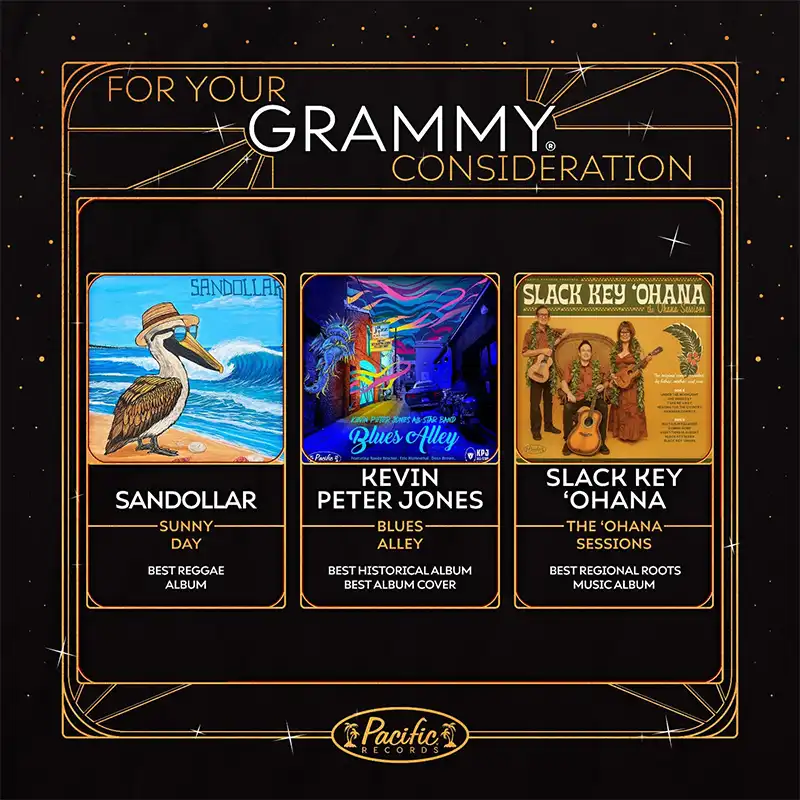
Brian Witkin runs a boutique entertainment law firm in Del Mar, California. He is also an award-winning musician, producer, and CEO of Pacific Records. Brian has spent nearly two decades in the record business, is a Grammy Voting Member of the Recording Academy, and an official Ovation Guitars artist. As a performing artist and musician, Brian has both recorded and performed alongside acclaimed artists including ZZ Top’s Billy F. Gibbons and four-time GRAMMY winner George Kahumoku Jr.
Note: This article is for general informational purposes only and does not establish an attorney-client relationship. The information is deemed reliable but not guaranteed. Every situation is different, and the general information contained in this article may not apply to your specific situation. The author and publisher assume no responsibility for actions taken based upon the contents of this article. Seek the advice of counsel for your specific situation.

