





CD Reviews
MARK MONTIJO: Apricot Moon

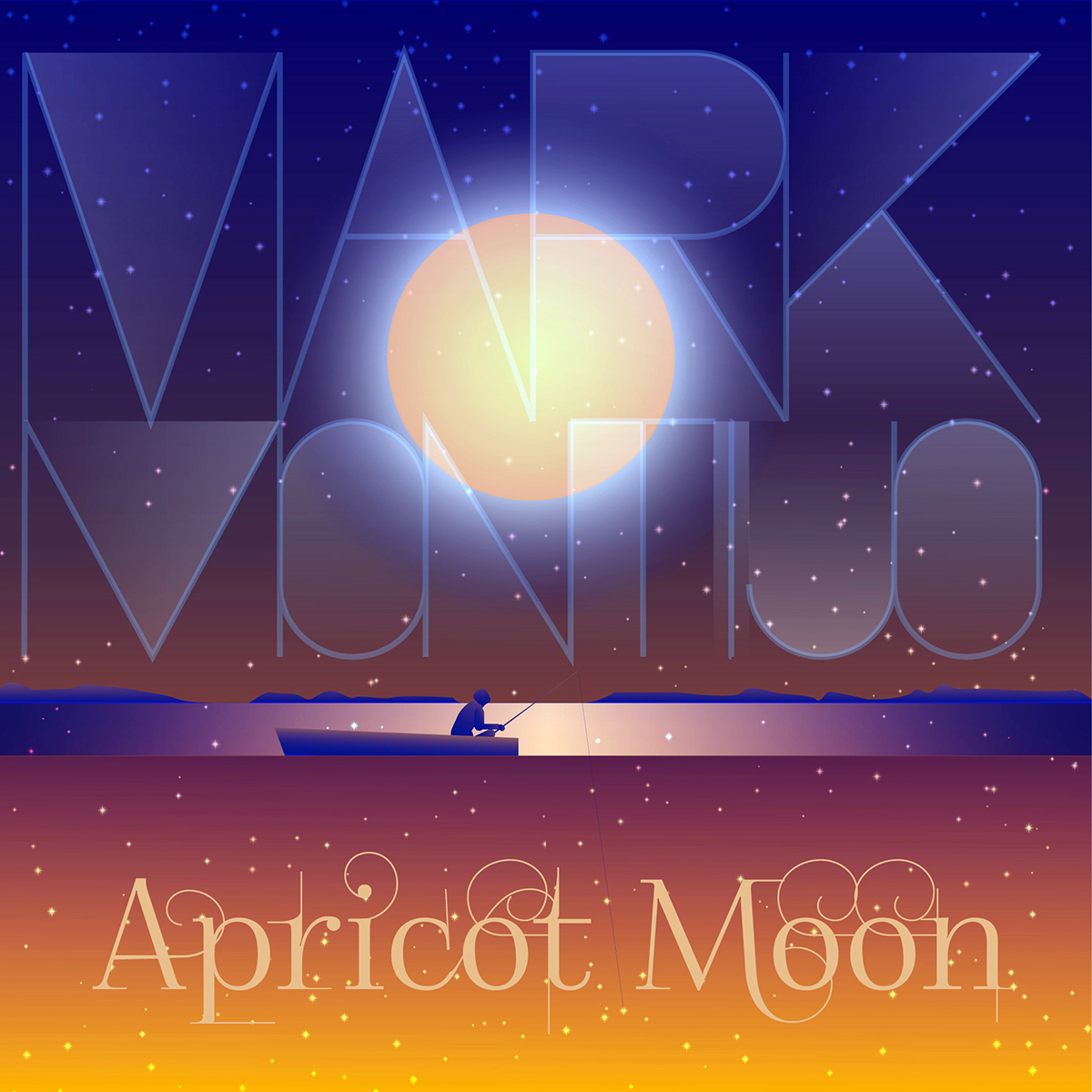
We start out with the title track “Apricot Moon.” A bare-bones, classic Mark Montijo song. The thing about Mark’s songs is that you want to listen to every word. You want to absorb the music. The acoustic guitar is clear and unadorned. The lyrics are simple. Nothing flashy, but more than enough to make you lean in and intentionally pay attention. It’s restraint as a superpower.
“Windmills” is a very cleanly produced song with no percussion here either. Windmills turn under cloudless skies, when there’s nothing left to dream about and nothing left to try… and the only thing it seems we ever learn is windmills turn. It’s a beautiful and brutal bluegrass meditation on energy and capitalism, on hardship and drought. Stark but poetic, it spins its message like a steady windmill blade.
Light percussion brushes make “Living Through Nineteen” feel intimate. There’s something warm and familiar about Montijo’s music. His storytelling is direct, humorous, and devastatingly relatable. Lenny Bole’s dobro curls around the edges of the song, offering curious, searching licks that feel both playful and wise.
The fourth track, “Squirrels,” gets right to the point. I wish I had a garden without squirrels. Cathryn Beeks drifts in with haunting backing vocals, adding ethereal depth and lift. This is a song to listen to in your garden with a cup of tea in hand. A contemplative tune about wishes and needs and dreams. In the second half, the energy gently shifts, shaker and banjo enter, guiding us almost meditatively back to a beautiful landing, right where we started.
I listened to “Fred and Ginger” with a smile on my face the entire time. I ain’t got no fancy shoes, I ain’t got no bow tie. I don’t want what I can’t use, and I can’t use no bow tie. It’s a perfect example of Montijo’s language and rhythmic prowess. Clever without trying too hard. I am absolutely in love with this song and its effortless charm.
By the time we reach “Bright Lights and Beads,” it’s firmly established that Montijo is a fantastic songwriter. There’s a legendary quality to this track. You can’t wait to see where the story goes. Everything builds toward the chorus, searching for the lyric that will inevitably make you shake your head thinking “why didn’t I think of that?” You want to catch the harmony. I can hear a million artists playing this song: Elton John, Bruce Springsteen, Bob Dylan, Joni Mitchell. Some of the greatest songwriters of our time. Montijo belongs in that conversation.
I love the choice to leave his breath in the first lines of “Someone to Save.” It feels human. Present. When ships collide, find someone to save. It carries a Mister Rogers–esque message: be the helper. Be the steady hand in the chaos. Someone to save or just to be kind to. I’ve always attributed a PBS quality to Montijo. He gives off the same gentle, intentional energy as Mister Rogers or Kermit the Frog. Warmth without cynicism. This song would fit seamlessly into that world. It’s not surprising that John Bosley and Veronica May are also attributed as co-writers, being feel-good top-tier wordsmiths themselves.
“Hope Again” is another song about hope and dreams. It’s a common and welcome thread throughout the album. In the verses, he reflects on how things used to be, like filling his gas tank with a $5 bill. He doesn’t bring us to the chaos, but implies that hope is lost and, in the chorus, he sings: When I go to sleep at night, I don’t know what I will dream about, but every now and then I dream about hope again.
Robert Sale’s intentional marching-band snare is a genius production choice. The juxtaposition of that steady, almost militant rhythm against the hopeful chorus is brilliant. It marches forward, even when the dream feels fragile.
“Don’t Want” is the last song on the album. Mark’s delivery of this Lindsay White tune made me laugh out loud. One of the first lines: I don’t want to ask a journalist to write nice things about me.
The chorus longs to write a song that saves the world and pays the rent. It’s a love letter to artists and songwriters who can’t sit still in the moment, who forget what it’s really about. Stop chasing your tail. Stop second-guessing your purpose. Stay present.
A song that can make you laugh and cry in four minutes flat. Even though Lindsay wrote it, it fits so seamlessly within Apricot Moon’s message that you’d wonder if Montijo telepathically sent her the words in a dream.
The production on Apricot Moon is understated in all the right ways. It’s warm, intentional, and never overcrowded, offering every lyric the space to breathe. Thoughtful choices—like brushed percussion, dobro flourishes, marching snare, and the decision to leave in something as human as a breath—give the record texture without distracting from its heart. It’s a beautifully restrained album that trusts the songwriting completely and that trust pays off.
Nine songs are not nearly long enough. I need nine more. Immediately.
Credits
Mark Montijo: acoustic guitar, some background vocals
Jim Soldi: bass
Lenny Bole: dobro
Phil Gross: bass
Robert Sale: drums/percussion
Cathryn Beeks: backing vocals

