








CD Reviews
CAMILLE KU’ULEI SALLAVE: Camille’s Confessions Vol. 1

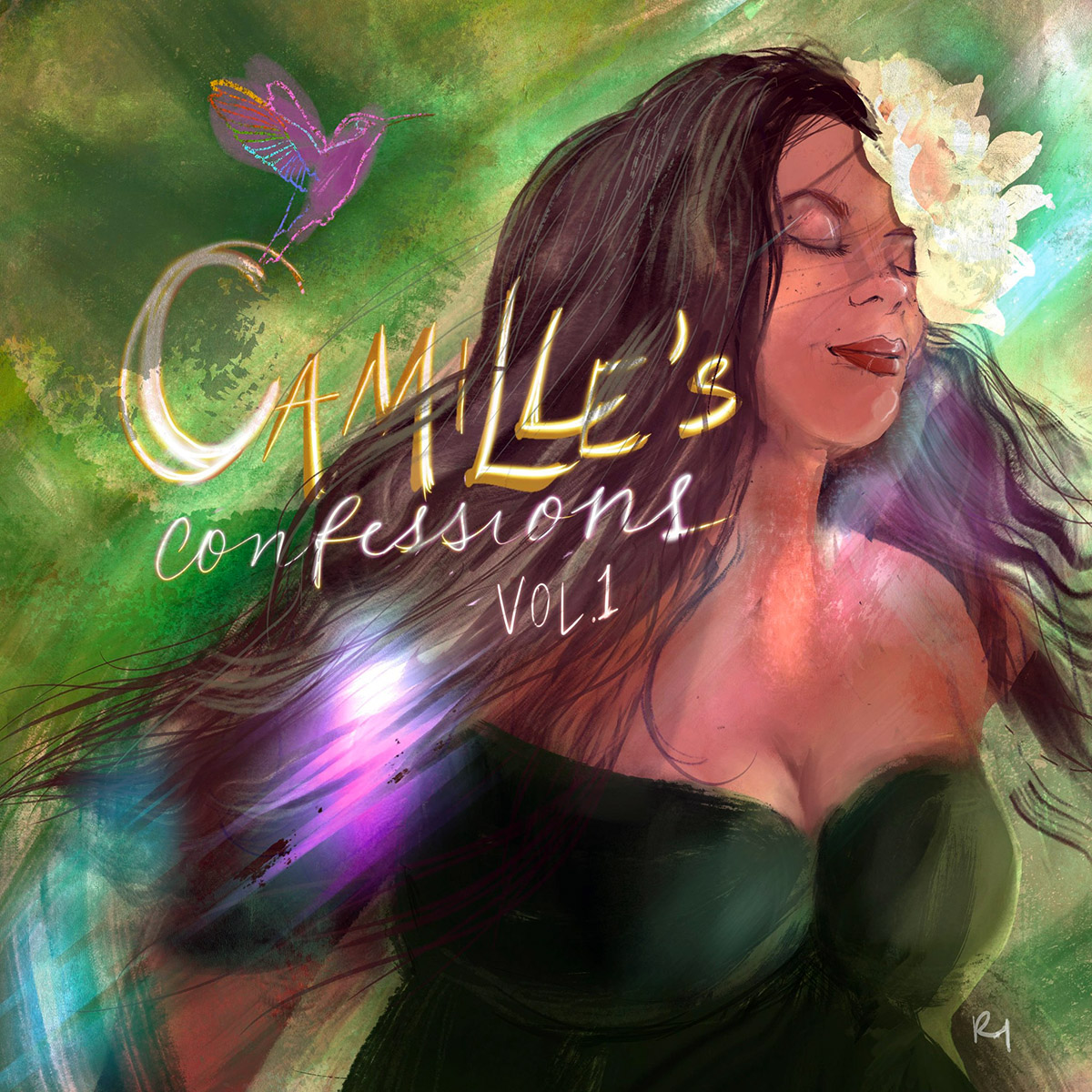
A beguiling stew of old-timey jazz, Polynesian, vaudeville, 1970s California country rock, contemporary folk, and likely a few other threads your loyal correspondent missed, San Diego singer Camille Ku’ulei Sallave’s debut is as charming as it is unconstrained by stylistic limitations—or even expectations.
To pick a song at random, “Biscuit” comes halfway through the album and opens in a straight-ahead jazz vein with piano, drums, bass, and tenor sax. Sallave jumps in with her strong soprano vocal. After the opening verse, she switches to a double-time delivery, never tripping as she runs through the near-staccato delivery. The male harmony vocals behind her add a weighty substance to the sheer fun of the passage. Tenor sax and piano then each take a few bars before there’s an extended piano solo, followed by a lengthy instrumental section before Sallave again takes lead to the close. It’s nearly as exhausting to pay close attention to as it must have been to perform.
The opening track, “Angels Share,” has a vaudeville feel to it—if the vaudeville show made a stop in the Sandwich Islands and picked up a few local musicians to fill out the company. Dueling guitars, banjos, or ukes chase each other around behind Sallave’s occasionally half-spoken, mostly sung narrative, which itself floats above a Greek chorus of harmony and response vocals.
“When the Fever Breaks” is an up-tempo pop number with an infectious melody, played at breakneck speed with a great solo on electric guitar (no credits provided, but it’s a gem). The conversational vocals that close out the song remind in spirit at least of vintage Southern gospel.
Following that, “Slippy Ice” slows the pace down considerably and place’s Sallave’s singing voice firmly in the spotlight. Many singers possessed of a high register lack the complex harmonic overtones often found in a mezzo or alto vocalist, but Sallave is not only gifted with a rich sorprano but also has clearly worked at developing it. Her pacing, vocal control, the depth of her timbre, the confident delivery all speak to a singer of experience and vision in control of her native instrument.
And it’s that amazingly supple voice, combined with her wide-ranging compositions, that are what hold this release together and give it its emotional punch.
On “Let’s Meet the Sun,” the song opens with a jangly guitar line that could have come from vintage Eagles or Fleetwood Mac, but once Sallave begins singing the music immediately becomes something that only she could have created. (And there’s another superb guitar solo about halfway through, with a second at about the two-thirds mark.)
The arrangements are as sophisticated as the singing—check out the swirling layers of instrumentation coming in and out of focus on “Souvenirs and Fire.” The studio mix, too, is clean, the production superb.
Vol. 2 can’t arrive soon enough.

