




Featured Stories
The Blind Boys of Alabama: Spirit Across the Ages

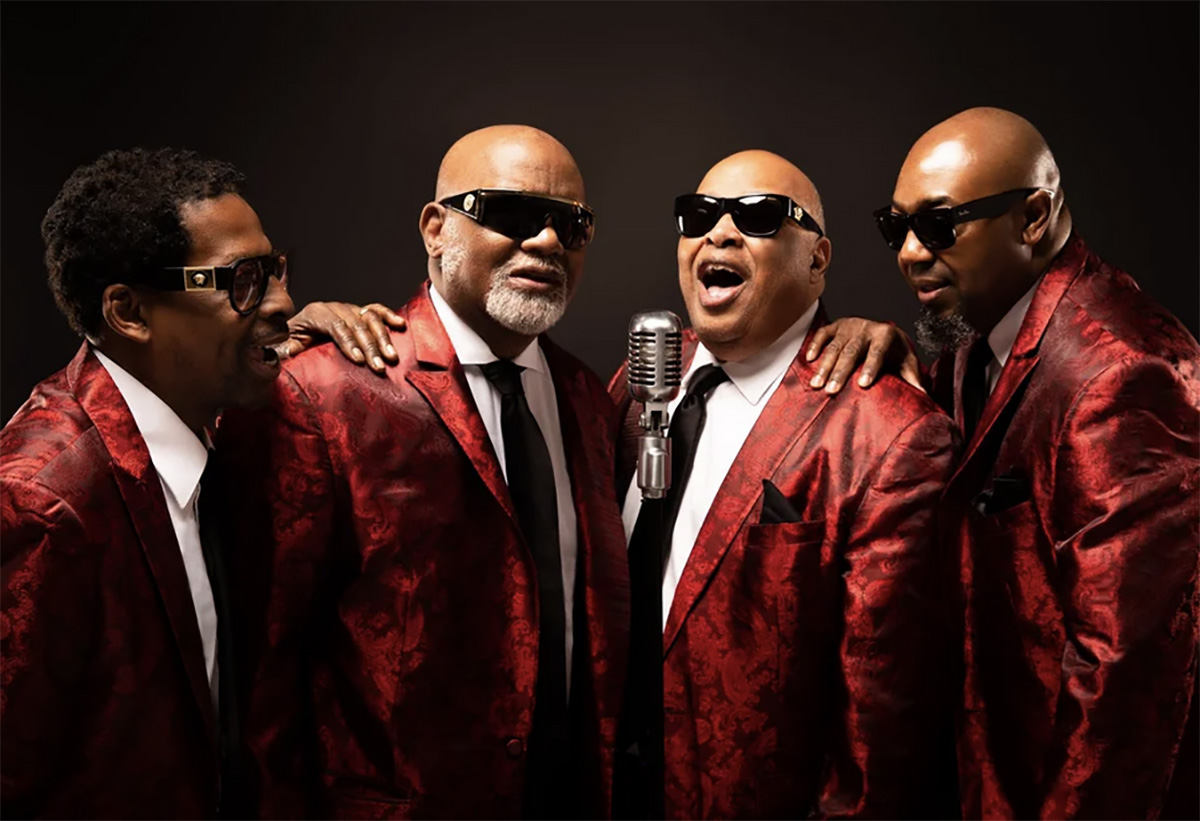
The Blind Boys of Alabama.
The saga of the Blind Boys of Alabama is a story worthy of holy epic novel or film. It all turns on their appearance at McCabe’s Guitar Store in Santa Monica, a famed and fabled Americana-roots music venue where drop-in guests have included Bruce Springsteen, Joni Mitchell, Allen Ginsburg, and Bob Dylan, who has been known to shop there. It was in January of 1991 when for their set they caught the attention of the gentleman who booked shows there, John Chelew, known also for producing the classic John Hiatt album, Bring the Family. Chelew met the group and their business manager and stayed in touch with them over the years. After a near decade, Chelew took a retreat in Joshua Tree, dropped a healthy dose of LSD, and had a desert vision that shook his psyche. He heard the Blind Boys of Alabama singing “Amazing Grace” to the tune of “House of the Rising Sun.” It was a sonic vision of the future like a bleed-through through the skin of a destiny coming through the cosmic hallucinogenic Joshua Tree skies.
So, in 2001, with John Chelew producing, the Blind Boys of Alabama released their milestone roots-gospel record, Spirit of the Century, with as its centerpiece, “Amazing Grace,” sung to the tune of the “House of the Rising Sun” on it and went on to international acclaim, record breaking sales for the group and a Grammy for Best Traditional Gospel album. In one session with one brilliant vision on that one song they covered the origin of great American music from the brothel to the temple.
And since that time, they’ve covered everything in between, while keeping a careful balance of their faith in Jesus and the gospel traditions they’ve embodied since 1948. One of the words that often comes with a gospel vocal group, the Blind Boys of Alabama is “Icon.” I’ve long wondered what it takes to become a cultural icon. The names that commonly come up range from poets to would-be messiahs, pop stars, athletes, and political leaders. There are those who are so driven and single-minded that there’s no other destination but to leave their mark on their world. But there are few preachers of the gospel or true prophets that come up, especially those who bring it on through music.
Like country, folk, and blues singers, those who do it through the arts seem to come up through the earth, the fields, the brothels, saloons, from the streets and the shadows, and forgotten times. They have absorbed the soul of the land and the spirit of the wind that surrounds them. As they are embraced by their destiny, they in-turn, embrace us. Whatever it is, be it chance, destiny, or self-determination, these are just a few of the elements that have made the Blind Boys of Alabama cultural icons of today’s American music. For nearly a century they have forged a unique place in American music. They have reached heights few gospel singers ever ascend to. It begins and ends with the gospel music they have championed. As the sole founding survivor, the elder statesman Jimmy “Jimster” Carter describes it, gospel is so fundamental that it can be covered over other genres like blues, R&B, country, folk, rock ‘n’ roll, and jazz. But the soul of the gospel will still shine through. Afterall the gospel was there before these genres were born, gospel music just streamed into everything that comes from the land, the time, the place so deeply rooted in American history and in our stories.
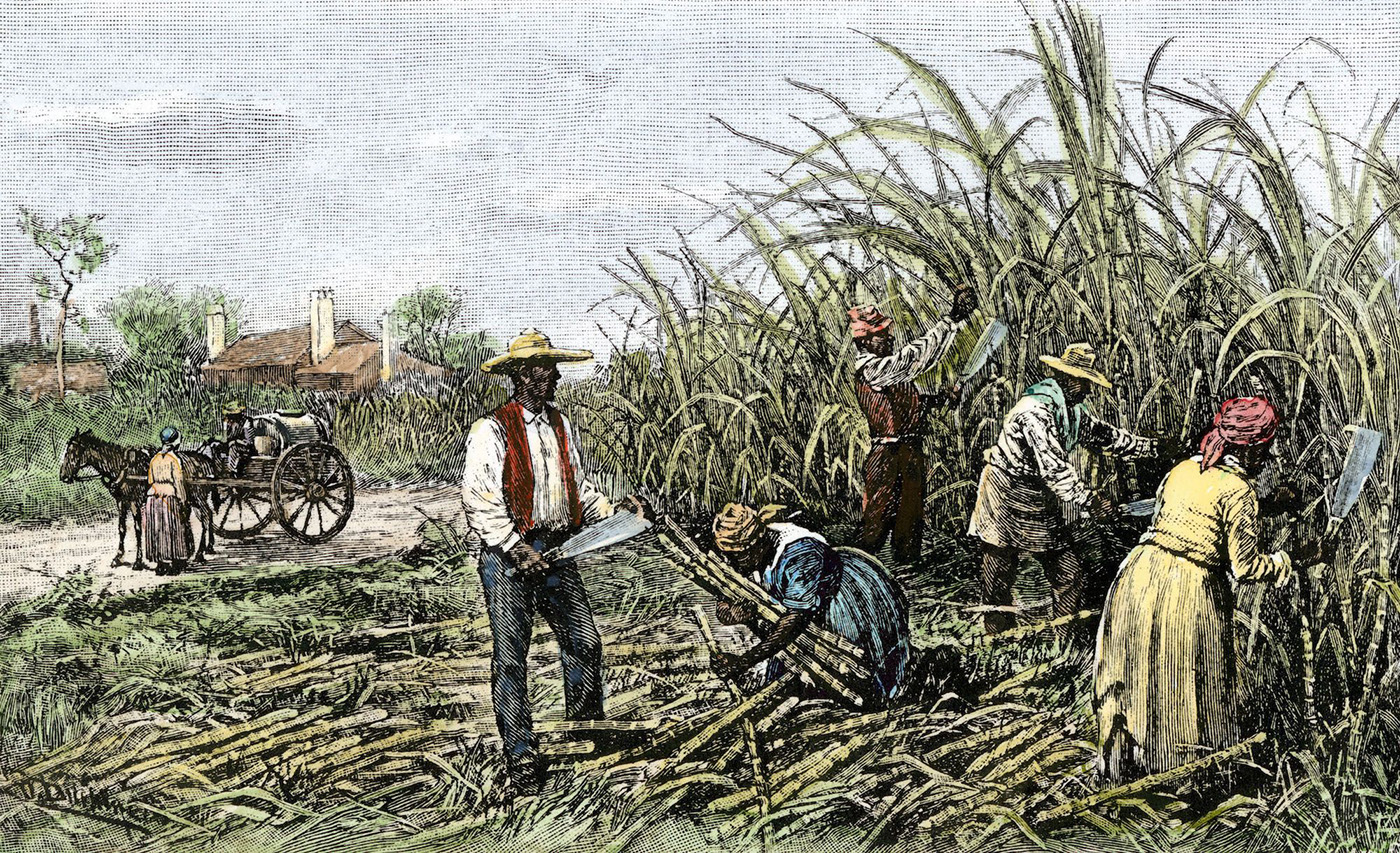
The gospel of the Blind Boys came out of the slave-labored cotton fields of the deep South as they created call-and-response songs to help them in their work. It was there when their freedom came. They took the songs they created as slaves and turned them into victory songs. Jubilee gospel quartets formed in the black churches, which became the foundation of the gospel music that became such an important part of American culture in the late 19th and early 20th centuries.
The Blind Boys of Alabama were the descendants of freed slaves and formed in at the Alabama Institute for the Negro Deaf and Blind in Talladega, Alabama. They heard those early songs and the cries of the jubilee chants, the field working call-and-response songs that became traditional perfected in their churches for generations to come. Many of the original singers were still alive when group founders like Jimmy Carter, Clarence Fountain, and George Scott were children. Before they adopted their famous name, the Blind Boys were known as the Happy Land Jubilee Singers, which was later changed to the Happy Land Gospel Singers. They were formed with the founding members Clarence Fountain, George Scott, Velma Bozman Traylor, Johnny Fields, Olive Thomas, and the only sighted member J.T. Hutton.
Life was not easy at school, and the boys often went hungry. Co-founder and the visionary of the group, Clarence Fountain, struggled with the desperate feeling of hunger all his life that came from the hard life they endured at the school. It’s no wonder they entered their later years as diabetics. But it was this hunger that drove them to sing and determined to be successful in the world of the gospel music of their times. They had no idea how successful they would be. They became the Blind Boys of Alabama because of a promotional gimmick. It happened in Newark, New Jersey when they performed in a friendly gospel singing battle with a group of blind singers who went by the Jackson Harmony from Mississippi. The gospel music event was billed as the Battle of the Blind Boys of Alabama vs the Blind Boys of Mississippi. For both groups, the name stuck. They began recording and performing under their name during the 1950s.
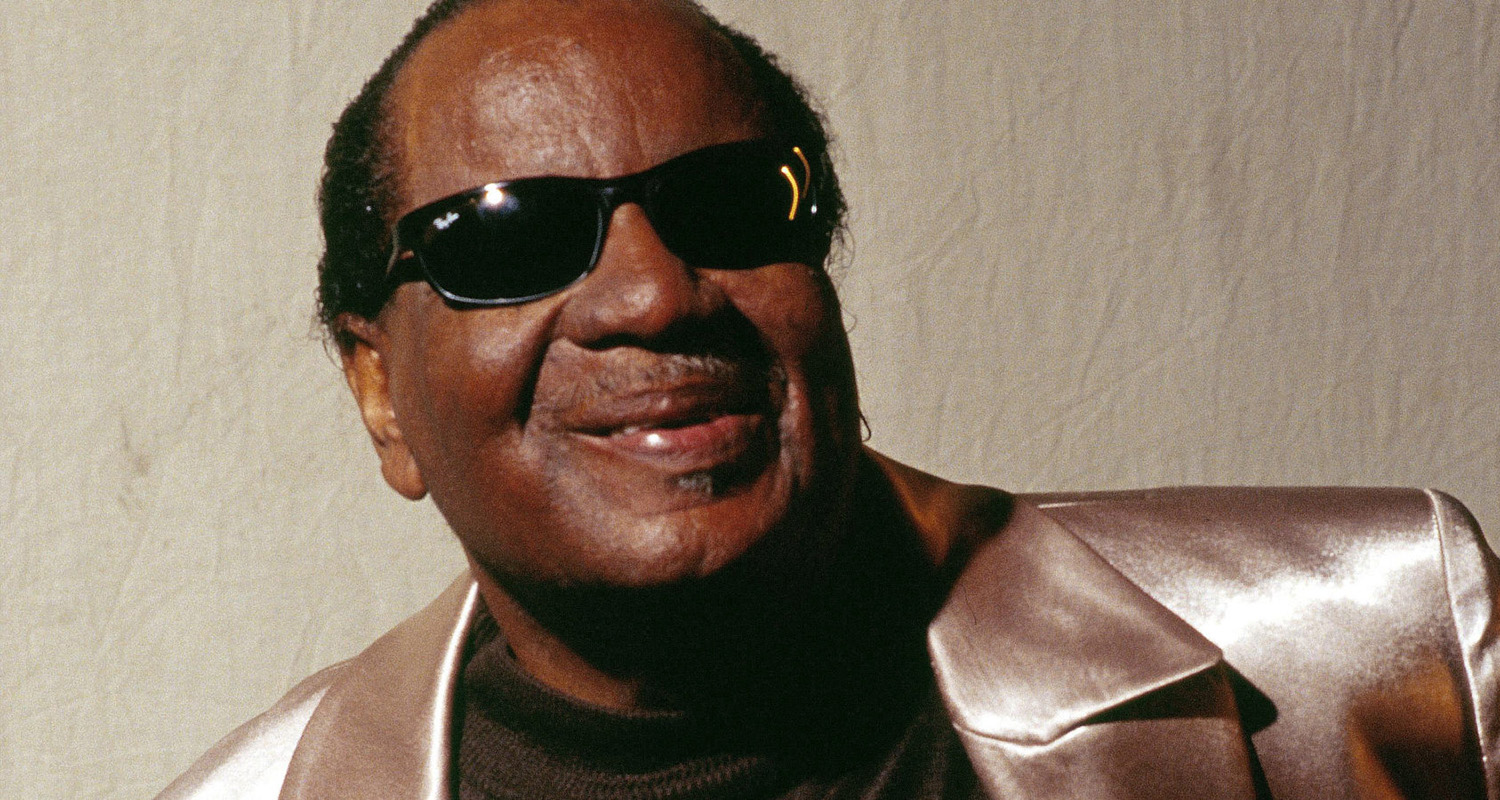
Clarence Fountain
The 1950s was a golden era for black gospel music. The Blind Boys made their gospel in the South with their reputation secure during the decade as they toured coast to coast in a van, playing churches and small auditoriums as well as festivals. Clarence Fountain and George Scott became the center of the group as Scott developed a distinctive guitar style, singing high harmonies in the style of the jubilee tradition he learned as a child. Fountain’s Pentecostal preacher style of singing could turn in song into a sermon and any sermon into a song. He could easily have joined Muddy Waters or Howlin’ Wolf in a Chicago blues jam.
Many of the most gifted gospel singers left the less than lucrative circuit behind as they were signed to mainstream contracts. Little Richard and Sam Cooke were among them. At one point Clarence Fountain was offered a chance to leave gospel, but he declined the temptation. Clarence Fountain found his vision and inspiration in gospel music. For him, it was more than just entertainment, it was a ministry, a service to bring hope to the world. That was the gift of his vision. And, indeed, the man had vision. He once told the L.A. Times, “Our purpose comes from up above. It’s one of our destinies in life to make people feel something they haven’t felt before—the spirit of God.” During the 1960s, the changing times brought on the popularity of folk, blues, and country music, but the black gospel scene stayed a small community throughout America. The times were hard and eventually, in 1969, Clarence Fountain, who was the driving creative force and visionary of the group left for a solo career.
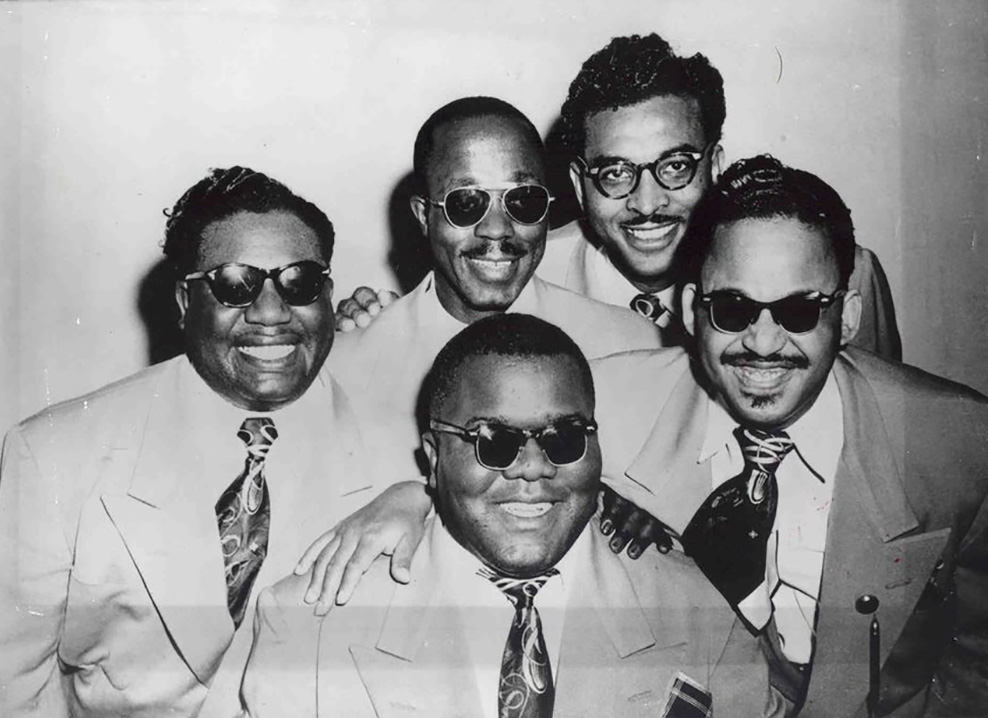
When there were five. The Blind Boys of Alabama in the early days.
But, during the 1970s, the Blind Boys and Clarence as a solo artist were stalled and found they needed each other. Fountain would eventually return to a welcome reunion for the Blind Boys. The 1980s was a pivotal decade when Americana-roots music became an official genre to provide a place for singer-songwriters and roots music to grow. It also saw a turn of events for the Blind Boys. Clarence Fountain rejoined the group in 1977 and, in 1983, they were cast in an off-Broadway play, The Gospel at Colonus, a musical of the Greek tragedy set in a black Pentecostal church, Oedipus at Colonus. They were cast as the blind Oedipus. The show was a success. It won the Obie Award for Best Musical in 1984. It brought the Blind Boys a new audience. It was during this time, in 1982, that a former member of the Blind Boys of Mississippi, Jimmy Carter, joined the band. He knew them as a student at the Alabama Institute for the Deaf and Blind in the 1930s. He sang with them when he was seven years old but was too young to join the group when they toured. Because of this early tie to the group, he is considered a founding member of the Blind Boys of Alabama. The musical chemistry between the guitar of Geroge Scott and the rough-soulful gravel of Clarence Fountain, joined by Jimmy “Jimster” Carter’s tenor vocal and stage persona made their shows hard to resist. With the release of 1992’s Deep River, the Blind Boys began to branch out with a set of songs that included Bob Dylan’s “I Believe in You,” from his gospel period, alongside the traditional “Just a Closer Walk with Thee.”
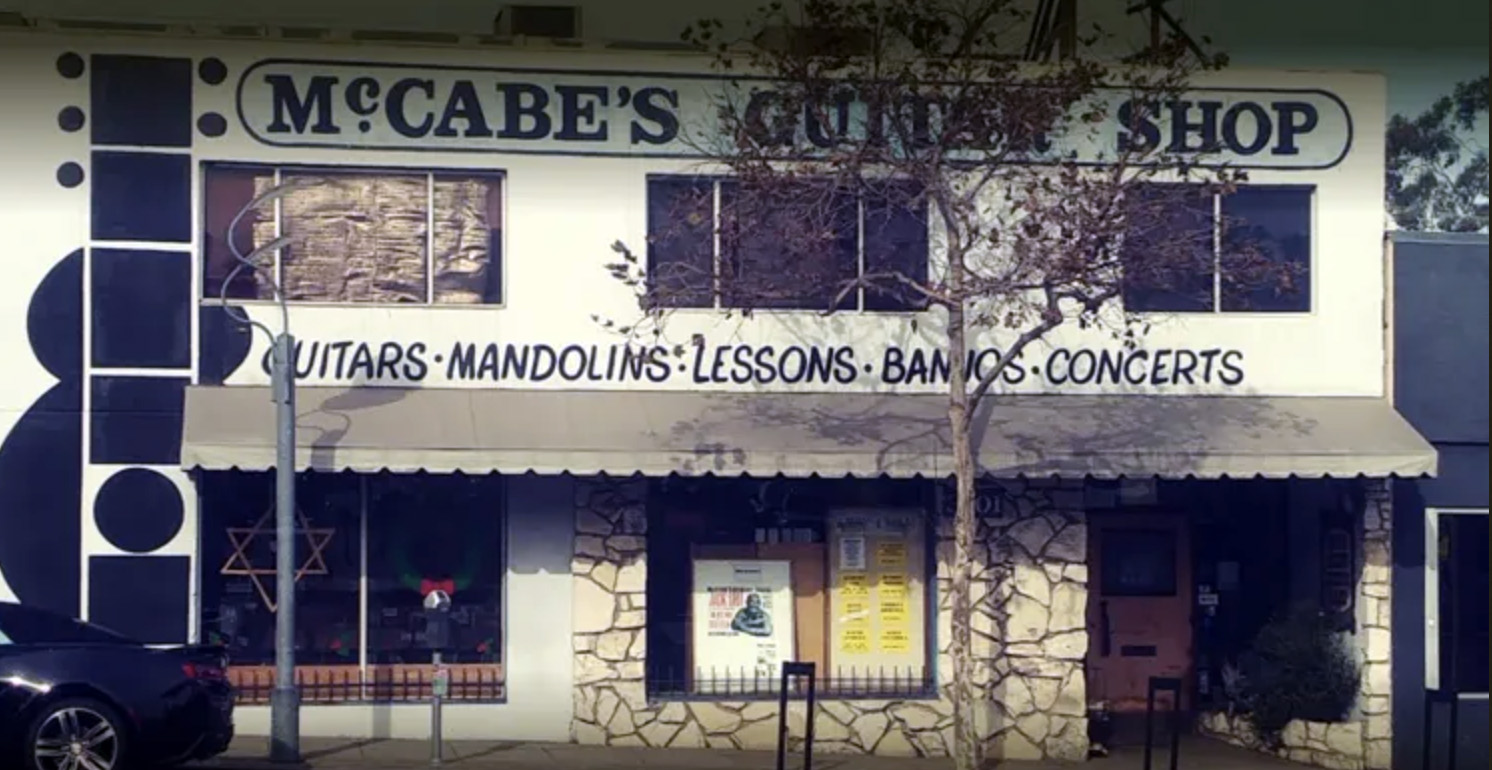
McCabe’s Guitar Shop in Santa Monica.
The album, produced by Booker T Jones, was their bestselling work to date, as they took the chance of adding a new producer and a broader choice of material. The album, nominated for a Grammy in 1992, became a foreshadow of things to come as their fortunes began to increase with each unfolding year. It was in 1992 when they were booked by producer-promoter John Chelew at McCabe’s Guitar Store in Santa Monica. The store had long been the central venue in the L.A. area for roots music with the best of traditional country, folk, and blues legends taking the stage including Arlo Guthrie, Ramblin’ Jack Elliot, Odetta, Tom Paxton, Janis Ian, Sonny Terry and Brownie McGee, John Hiatt, Holly Near, Eric Andersen, and John Hammond.
Their appearance there opened the door to continue to plant their musical gospel seeds deep into the heart of Americana music. It also aligned them with artists outside of the gospel world that had been their home for so many years. It was in 2001, when Chelew contacted the group about producing an album with contemporary songs alongside select traditional ones. This was when he told them about his desert vision of them singing “Amazing Grace” to the melody of “House of the Rising Sun.” He was met with resistance, but eventually Chelew won out and the song was recorded. The performance is haunting, stirring and brilliant. It also has become among their most beloved and successful songs. Chelew passed away in 2016 after moving from L.A. to New Orleans. But, he left the Blind Boys from Alabama with a creative fire that burns to this day. The album was titled Spirit of the Century. It included two songs by Tom Waits—“Jesus Gonna Be Here” and “Way Down in the Hole,”—a Ben Harper song, “Give a Man a Home” and the Rolling Stones song, “(I Don’t Want to Talk About Jesus) I Just Want to See His Face.”
The musicians on the sessions included David Lindley, Charlie Musslewhite, and John Hammond. The success of Spirit of the Century brought on a string of Grammy wins for the Blind Boys, which included six album awards in the Gospel-Roots category and a seventh Lifetime Achievement Award. During their careers they have played at the White House for three presidents, they have shared a stage with Lou Reed in a show at the United Nations to commemorate victims of slavery and the international slave trade. They were inducted into the Alabama Hall of Fame and the Gospel Music Hall of Fame. The loss has been great over the years as the band continued to forge their legacy. George Scott died in 2005, leaving an empty place in the group that was hard to fill. He had been with the group since they began in 1949. The greatest loss was Clarence Fountain, who passed away in 2018 at 88 years old. Jimmy Carter kept the flame burning until 2023, when he retired at 91. His last album, Echoes of the South, with the group was released in 2023, a return to the classic gospel sound where the group began.
Today the Blind Boys of Alabama consists of Ricky McKinnie, who was their drummer and is their business manager and the leader of the group. He joined the group in 1989. He shared the stage with Clarence Fountain and George Scott. The group also includes long-time lead guitarist and vocalist, Joey Williams (since 1995), vocalists Julius Love, Sterling Glass, and Stephen Raynard Ladson, and Peter Levin on bass and drums. In a recent phone conversation with Ricky McKinnie, Blind Boys of Alabama co-lead singer and business manager, described gospel music as a vehicle that “reaches out from the heart and in turn reaches the hearts of others.” He began his relationship with the group when he was four years old. His mother, Sarah McKinnie Shivers, a gospel singer in her own right, introduced him to the Blind Boys in 1956. He was four years old and had sight. McKinnie felt the calling to professional gospel singing in 1969 and joined the Blind Boys in 1989. Throughout his life, he said the one word that best sums up his experience with the group is “authentic.” This authenticity extends into the fact that despite the popular success of the group, they have walked the path of faith, which is where their authenticity comes from.
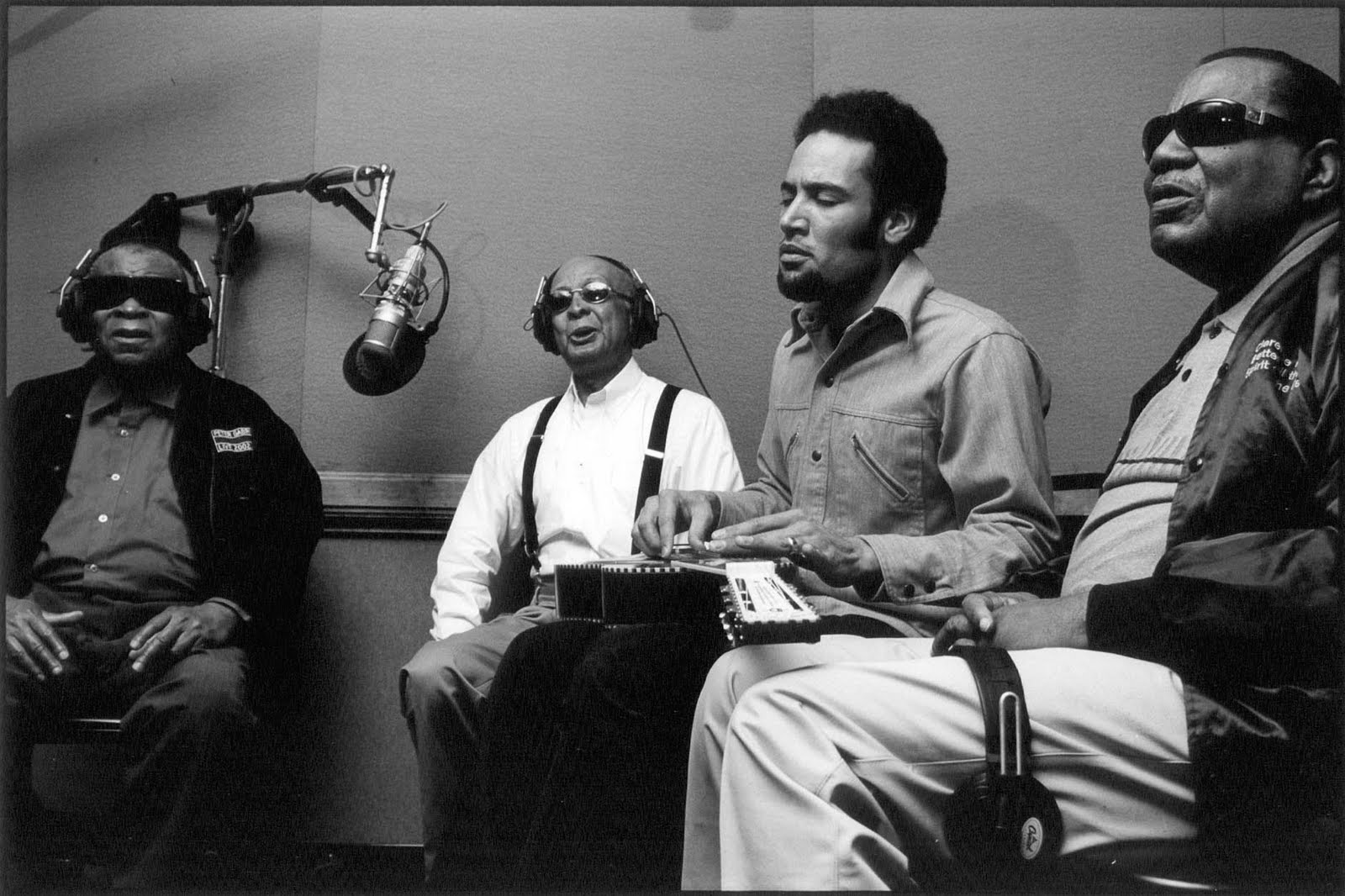
Ben Harper with the Bilnd Boys.
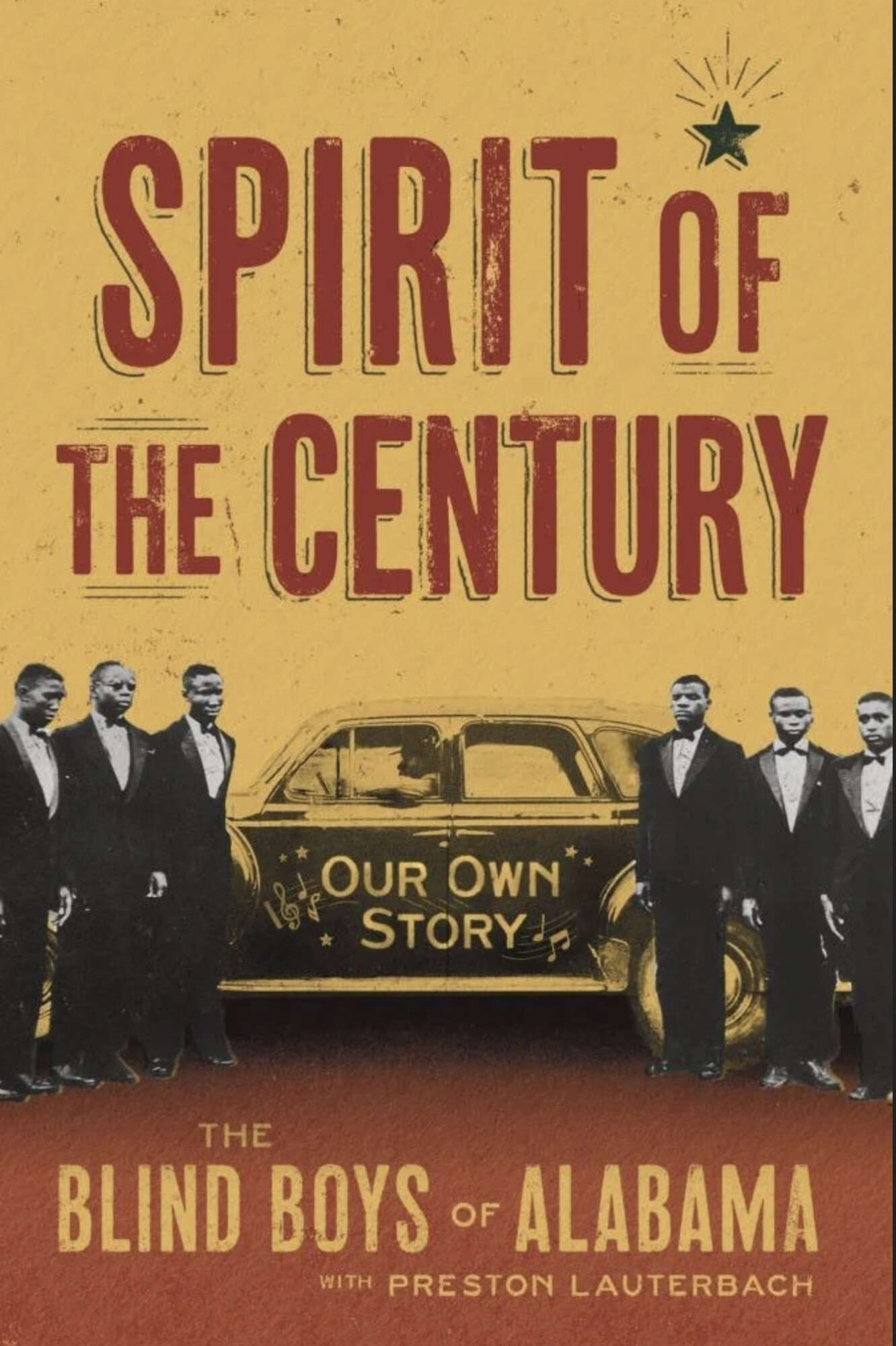
McKinnie told about his love for his brothers in the group, those who have gone before, especially co-founder Clarence Fountain. “I knew Clarence. He helped me when I was young to make the right choices. He had the vision to keep us walking straight,” he said. Mckinnie shared his faith in Jesus openly as he said, “It all comes from him. It’s all about the Spirit. That’s where the music is, where it comes from.” He continued, “Like Clarence wanted, it was his vision, that we put God first. One thing I know for sure, if you come to our show feeling sad, you will feeling a whole lot better.” The latest release from the Blind Boys is a biography, titled Spirit of the Century by the Blind Boys and Preston Lauterbach. It includes detailed stories of their origins, their struggles, and joys and their collaborations with such diverse artists as Lou Reed, Ben Harper, Peter Gabriel, Taj Mahal, and Hank Williams Jr. It is as engaging as it is entertaining with wonderful stories told directly by Clarence Fountain, Jimmie Carter, and Rickey McKinnie.
The Blind Boys of Alabama will bring their Christmas show to the Belly Up on December 9 and the Coach House on December 10.

