SUE'S SPOTLIGHT: Women in Blues and Jazz
Women in Jazz and Blues: Una Mae Carlisle, Bobbie Nelson, Lovie Austin
Probably the most common instrument for girls and women to take up is still the piano. It certainly has been true for hundreds of years in many societies, but it is true for roots music especially. Often, the piano just happened to be the only instrument readily available, other than one’s own voice. Many homes and churches had pianos and, for many years, there was no other way to hear music other than playing it. So, the piano became the “stereo system” for families to gather around before electricity, radio, and other devices we take for granted now. Traditionally, that became the job of girls and women in many societies to keep the family together. So, even when jazz first started in the early 1900s, the male bands were forced to use some of the very talented women, even though, generally speaking, men predominated. I have covered several of these women in previous columns:
Julia Lee, Mary Lou Williams, Countess Margaret Queenie Johnson, January 2026; Marcia Ball, Shirley Scott- December 2025; Toshiko Akiyoshi, September 2025; Lil Hardin, Gladys Bentley, Sweet Emma Barrett, August 2026; Joanne Brackeen, July 2025; Katie Webster- June 2025; Jeanne Cheatham-May 2025; Hazel Scott-April 2025; Marian McPartland Hadda Brooks, Camille Howard, February 2025.
This month’s column will focus on yet three more piano players, spanning three generations.
Una Mae Carlisle, 1915-1956

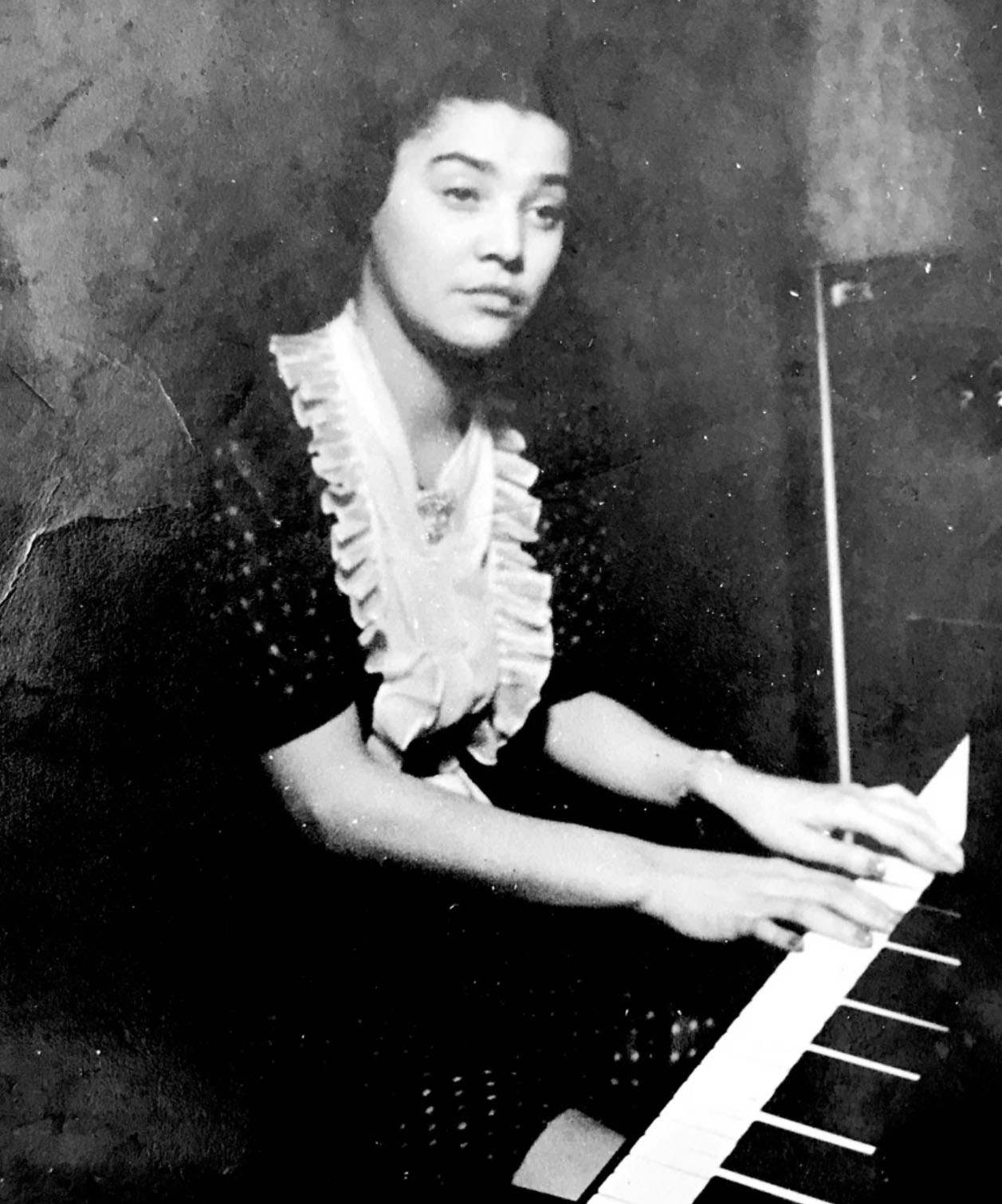
Una Mae Carlisle
Una Mae Carlisle (pronounced Youna Mae) grew up in Ohio, was of African-American and Native-American descent. Her mother taught her piano. Her first performance was at the age of three, playing for a group of disabled veterans. By 10, she was playing regularly in church and at schools, and began playing on the radio in Dayton. A handful from the start, she ran away from home at 12 to play on another radio station in Cleveland. It was there where she was seen by Duke Ellington, who helped her get a radio gig on Radio Station WOW. Fats Waller heard her and invited her to play some Christmas shows with him (at the age of 17). Her mother insisted she be chaperoned, not trusting the man of many vices: food, drink, and women. This was a once-in-a-lifetime opportunity she did not want to pass up. He became her mentor and influenced her with stride and boogie woogie style of piano.

She eventually made her way to Chicago and New York City and worked in Lew Leslie’s Blackbirds, a revue featuring black singers, dancers, and comedians. These revues boosted the legendary careers of Bill Bojangles Robinson, Lena Horne, and Adelaide Hall among others. Una Mae played piano with trumpet player Valaida Snow (see Sue’s Spotlight, April 2025/https://sandiegotroubadour.com/sues-spotlight-hazel-scott-valaida-snow-bricktop/) in the revue. They traveled to England in 1936, but she quit and went back to America. That stay only lasted two weeks, and she went back to Europe, this time to Paris. In time she would make a name for herself with her piano playing, song writing, and mesmerizing voice, performing in over 18 countries, including the Middle East). France proved to be such a welcoming country to Una Mae and other African-American jazz musicians that it was often observed that “Harlem had invaded Montmartre.” In the latter half of 1937, she enjoyed a five-month residency at Paris Boseuf sur le Toit. The famed jazz critic Leonard Feather saw her here and encouraged her to record. She would also manage her own nightclub here for a while.
![JOHN GREER & HIS RHYTHM ROCKERS - RHYTHM IN THE BREEZE [RCA Victor 47-5370] 1953](https://i.ytimg.com/vi/cv36XcqL1FQ/hqdefault.jpg)

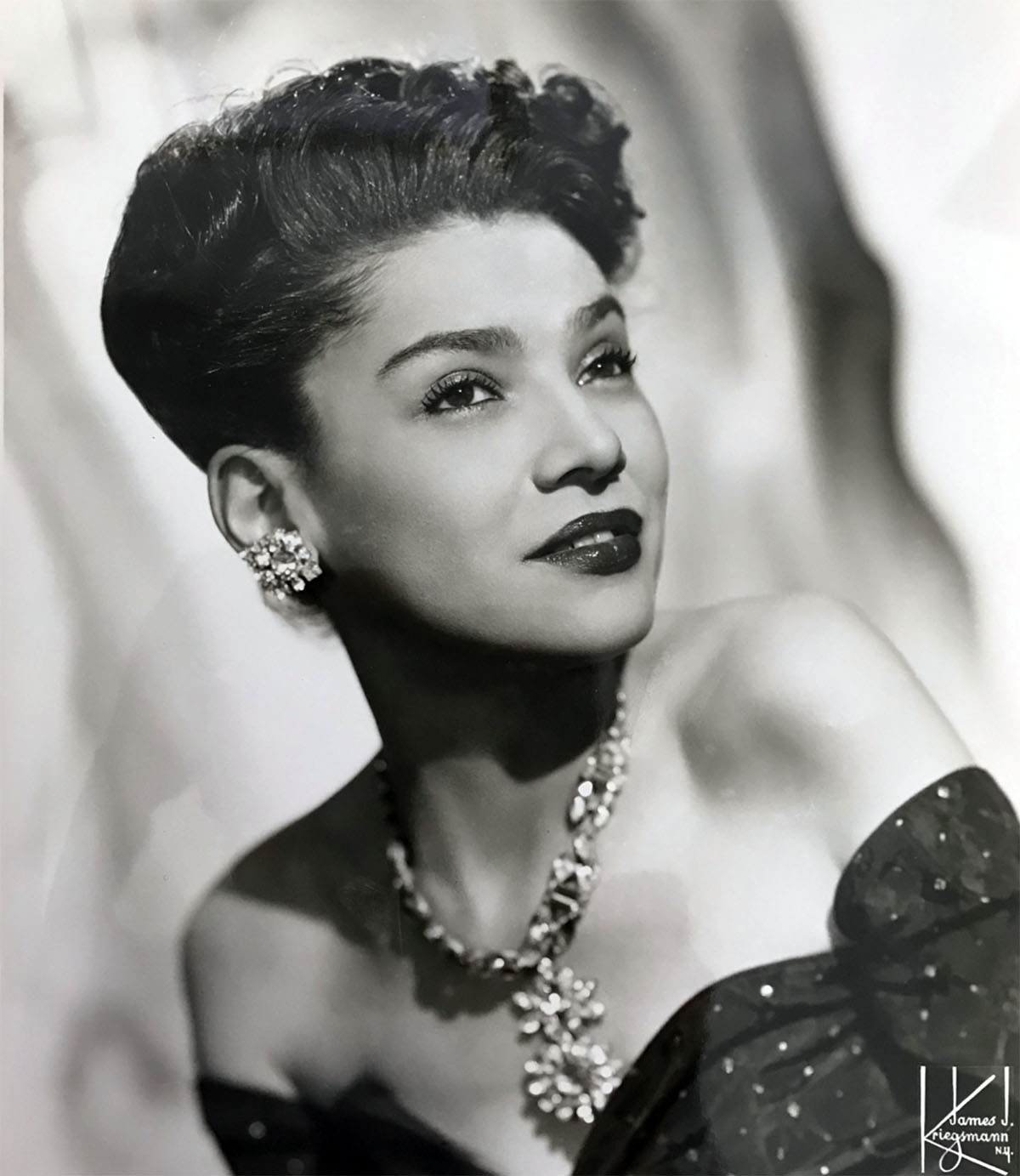
Una Mae in her prime.
In 1939, Americans were told to leave France, as Hitler was about to invade. She took up residence in New York City and made a name for herself playing at clubs like the Village Vanguard, Kelly’s Stables, and the Plantation Club among others. She was a prolific song writer, writing over 500 songs. She recorded “I Can’t Give You Anything but Love” with Fats Waller, which became a hit and her big break back in the states. She continued recording. Her most well-known original song being “Walkin’ by the River.” That song made her the first black woman to have a composition appear on the Billboard Chart in 1949. It was also covered by Cab Calloway, Peggy Lee, and Ella Fitzgerald. By the late ’40s, she had her own radio and TV shows. She was recording on Columbia, Bluebird, and RCA, with some of the top swing sideman of the time, including John Kirby and his sextet, Lester Young, Benny Carter, Budd Johnson, Ray Nance, and Don Redman. The last song she recorded on one of her radio shows was called “Rhythm in the Breeze.” It was later recorded by John Greer and his Rhythm Rockers in 1953. This tune reflected the vintage R&B sounds that were just around the corner. She would have been part of that transition had she lived longer. Una Mae’s health was quite fragile. She suffered from mastoiditis (a painful infection above the ear) and, later, cancer. She had to retire in 1954 and she died in 1956. She packed quite a lot into her short life.

“I’ve lived and if I die tomorrow, I’ll have no regrets. I’ve had a full and rich life. Music is in me. It’s all I know.” —Una Mae Carlisle

Bobbie Nelson, 1931-2022

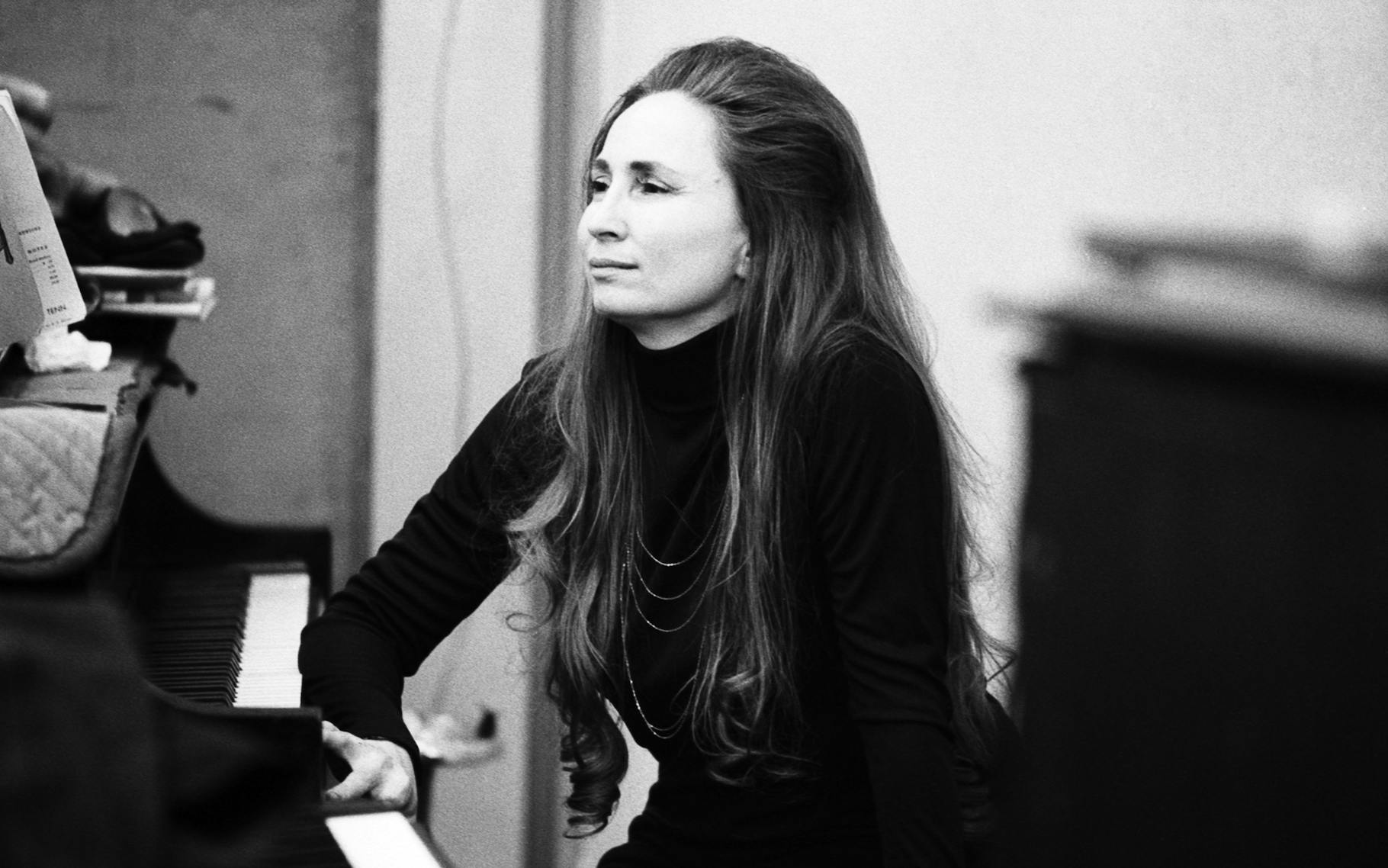
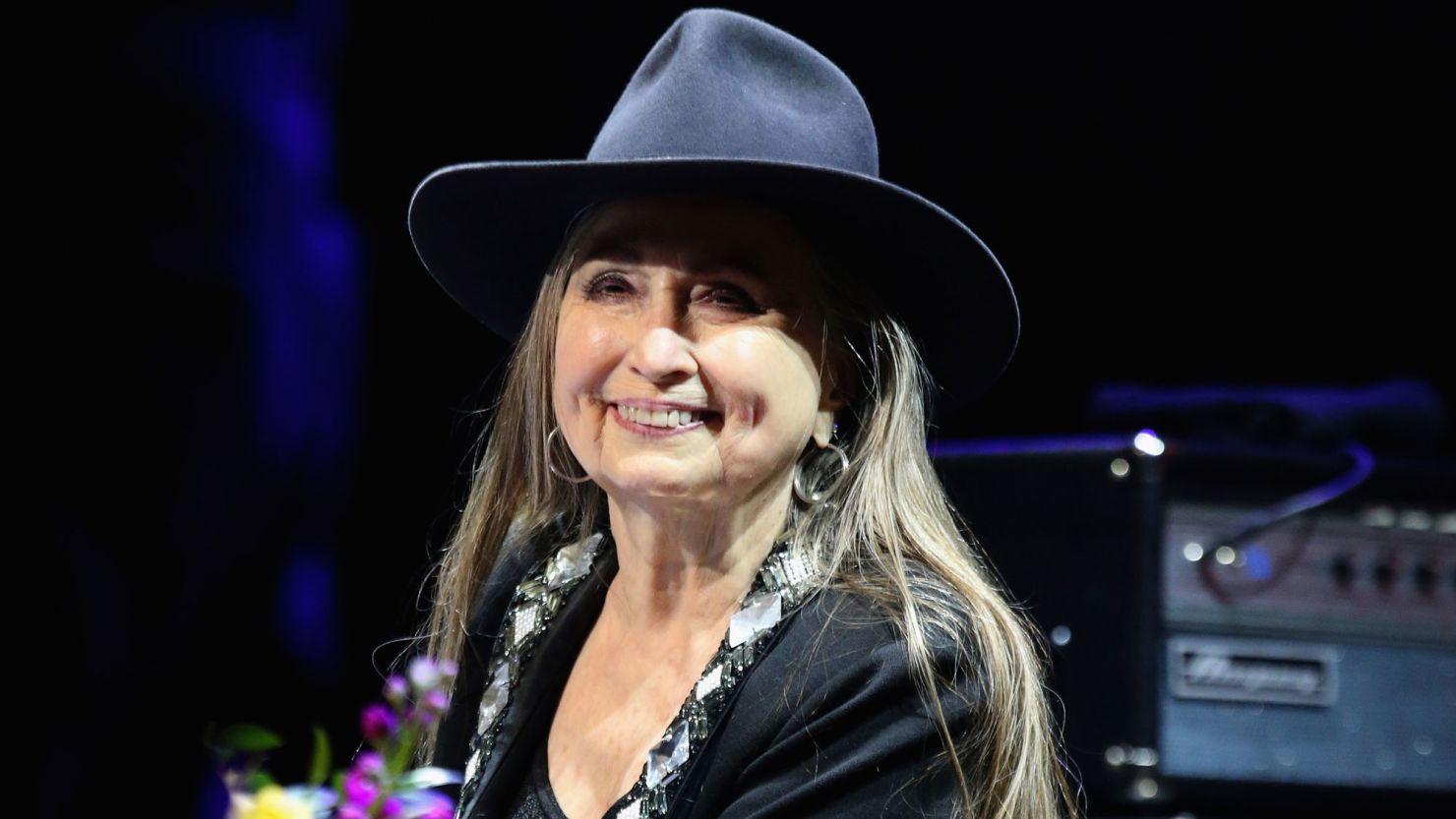
Bobbie Nelson
Most people are familiar with Willie Nelson but may not realize he had a talented piano-playing sister. Bobbie Lee Nelson was born on New Year’s Day, 1931, in the depths of the Great Depression. Willie and Bobbie’s parents left before the kids were two years old, and they were raised by their paternal grandparents. They were music teachers and started Bobbie on pump organ at five and, eventually, piano. Bobbie and Willie began playing together, playing at school and around churches. Their grandfather died when Bobbie was eight, so money was even tighter. Fortunately, Willie and Bobbie had each other, and that began a collaboration of over 80 years of playing music together. They took turns providing security and direction for each other. “When we get into music,” she once said, “something happens. There’s magic between me and Willie.” …Texas Monthly 2022

At 14, Bobbie turned pro, playing for a traveling preacher all over the Lonestar State. Bobbie’s style was very influenced by gospel. She is what’s called hardcore country but has remnants of pop music and jazz styles, probably from the depression years spent listening to radio and the sounds of Gershwin and Hoagy Carmichael’s Tin Pan Alley hits. Her style has lots of feeling and rhythm to it, very spirited, calm, and comforting (sometimes called small-town chapel).

At 16, Bobbie married Bud Fletcher and joined his band: Bud Fletcher & the Texans, playing hits by Bob Wills (Western Swing), Hank Williams, and Lefty Frizzell. They had three boys but separated later after five years, in 1954. Bud’s parents got custody of the children because Bobbie played in “honky tonks.” This devastated her, but she eventually got them back and moved to Ft. Worth, and later Austin, playing in piano bars and supper clubs.

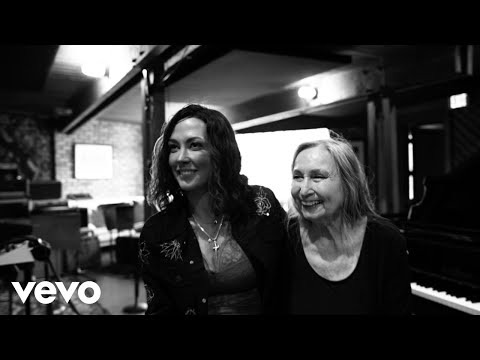
In 1973, Willie invited her to perform on his new gospel album, The Troublemaker. He enjoyed working with her so much that he invited her to join his band and renamed it Willie Nelson & the Family. She stayed busy with Willie for the rest of her life. She occasionally did engagements with icons like Merle Haggard, Waylon Jennings, and the rock band Supersuckers. She and Willie collaborated on two books: Me and Sister Bobbie and Sister, Brother, Family. She recorded her own album with Amanda Shires on violin and vocals called Loving You.

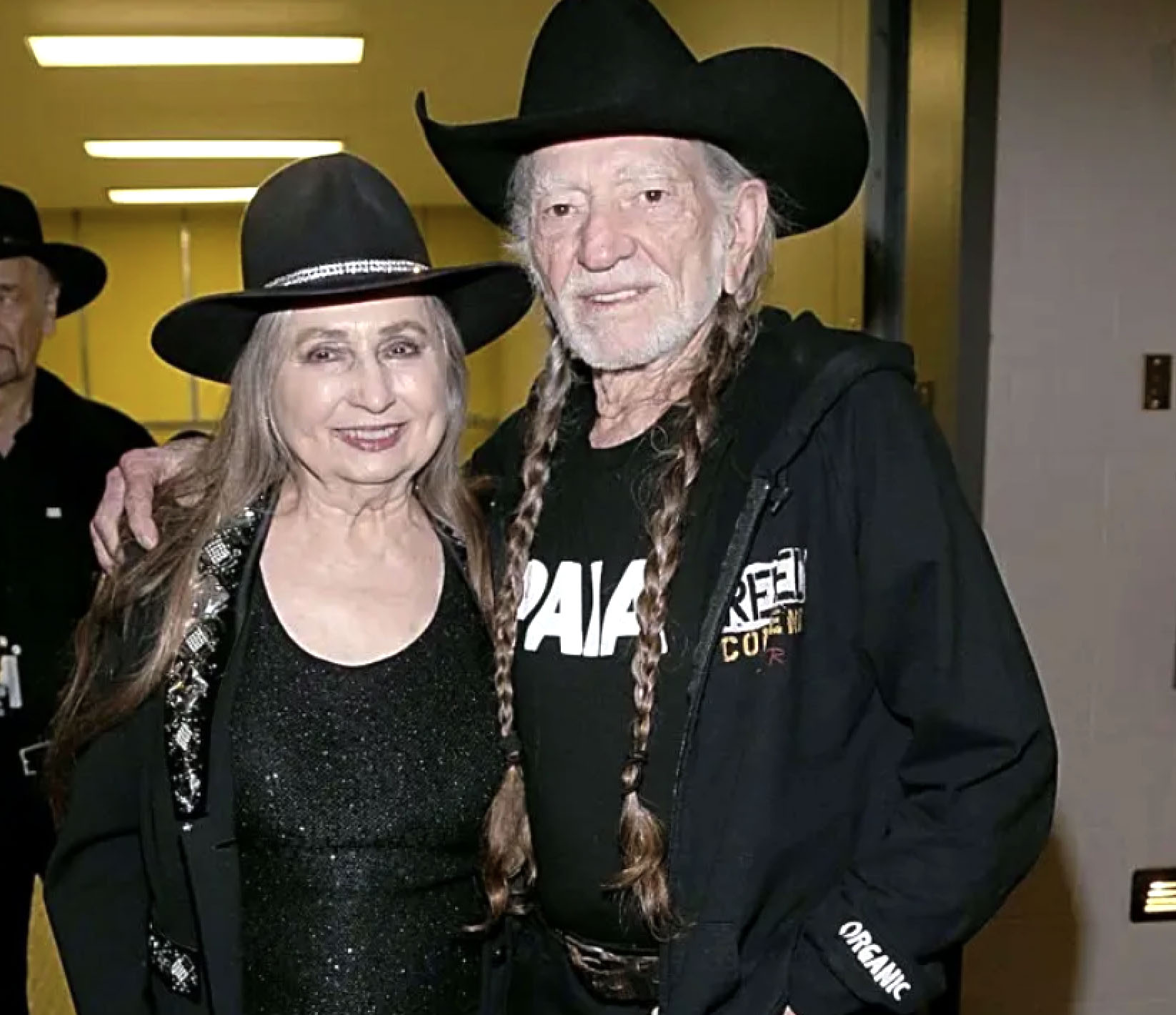
Bobbie and Willie Nelson
She was the demure one in the brother-sister team, sitting quietly on the piano bench, interacting little with the audience. Willie acknowledged her often, with her signature pieces: “Pinetop’s Boogie Woogie,” “Down Yonder” (a must-do song for country piano players), and “Stardust.” They were a team and it sounds like it enabled both of them to rise above their early days and the depression with their particular talents and personalities, she as the accompanist and Willie as the leader. She died at the age of 91.
Lovie Austin, 1887-1972

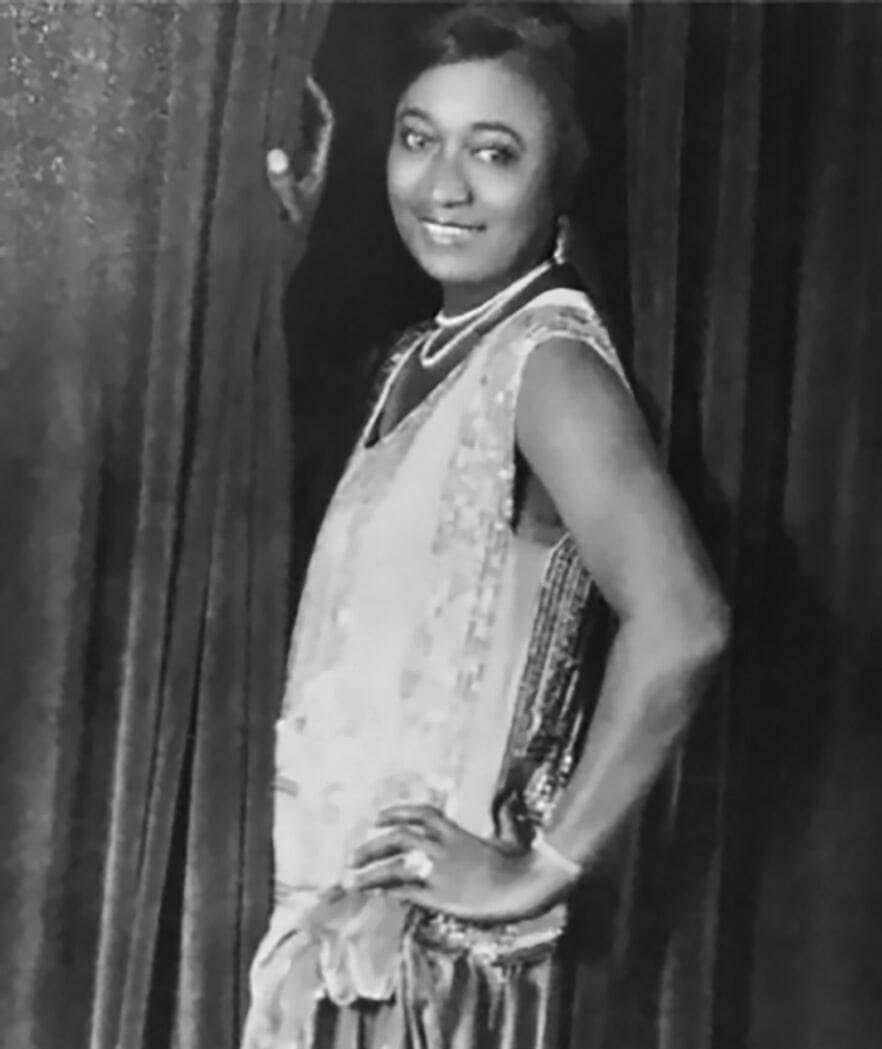
Lovie Austin
Of the three generations of piano players I am profiling this month, the oldest of the three is a powerhouse named Lovie Austin. She was born in Tennessee, where she studied piano at Roger Williams University in Nashville, and later Knoxville College. She moved to Chicago in 1926. By the mid ’20s, Chicago had become home to much of the blues recording industry. When the infamous Storyville section closed in New Orleans, many of the musicians there moved to Chicago (Louis Armstrong, King Oliver, Johnny Dodds, and Kid Ory, for example). Austin made a name for herself, recording with some of the great blues vocalists of that time (Ma Rainey, Ethel Waters, Ida Cox). She cowrote “Downhearted Blues” with Ethel Waters, which did well but became a monster hit when Bessie Smith recorded it. Like Lil Hardin Armstrong (see Sue’s Spotlight, August 2025/https://sandiegotroubadour.com/women-in-blues-and-jazz-lil-hardin-armstrong-gladys-bentley-sweet-emma-barrett/), her style of piano playing belied the stereotype of the “feminine touch.” Hers was a powerful and rhythmic piano.

She was a band leader with the leading jazz musicians of the time in her band, Lovie Austin’s Blues Serenaders. She had honed her craft on the vaudeville circuit and continued later on, carving out a prestigious niche for herself as a leader of theatre pit bands, most notably at the Monogram Theatre, where all the great Black performers played and where she remained for 20 years! As a young piano player, Mary Lou Williams (see Sue’s Spotlight, January 2026/https://sandiegotroubadour.com/kansas-city-in-the-1930s-julia-lee-mary-lou-williams-countess-margaret-queenie-johnson/) described the effect of seeing Austin on tour at a Pittsburgh Theatre: “I remember seeing this woman, sitting in the pit and conducting a group of five or six men, her legs crossed, a cigarette in her mouth, playing shows with her left hand, and writing music for the next act with her right. Wow! My entire concept was based around the few times I saw Lovie Austin.”

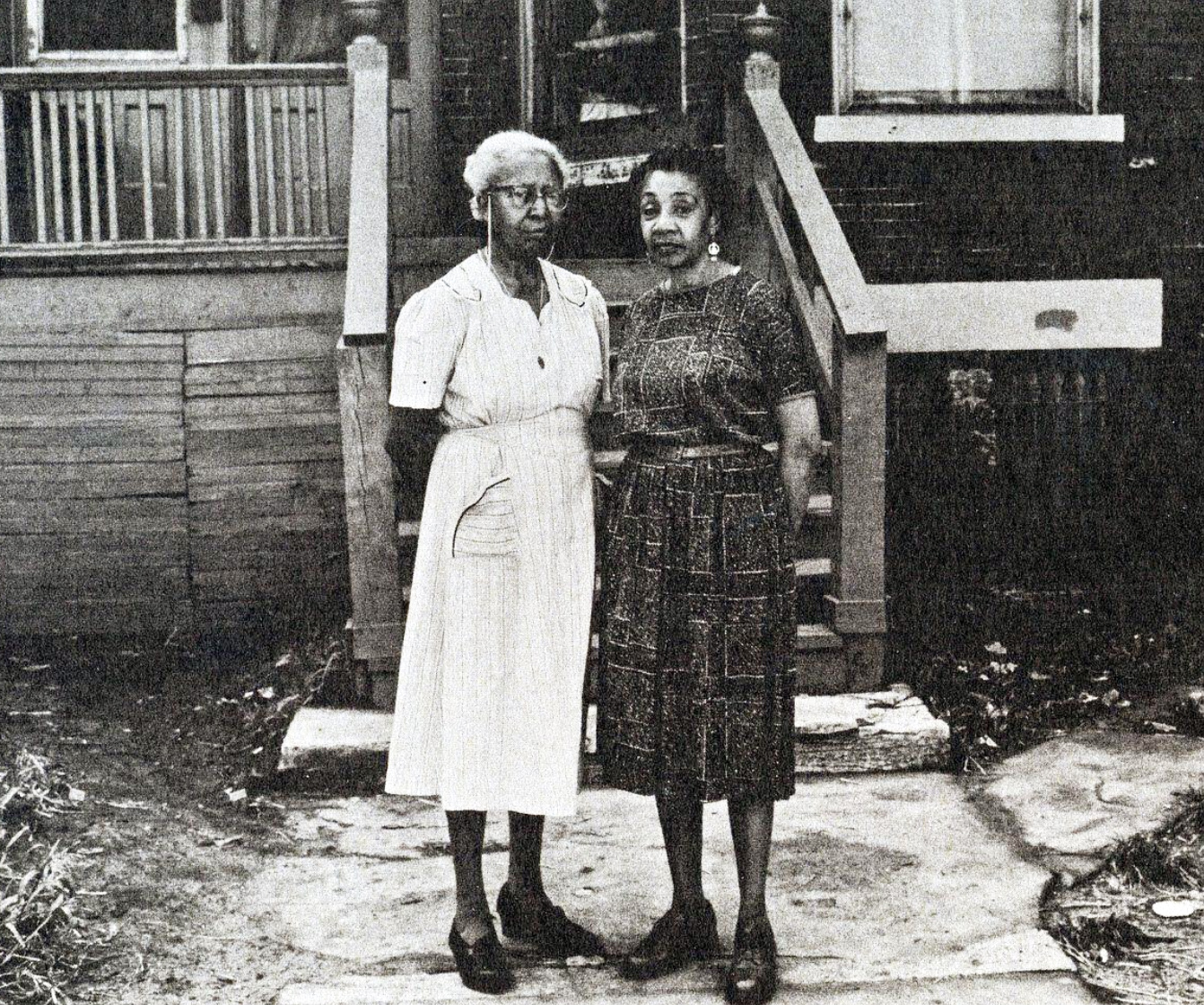
Lovie with frequent collaborator Alberta Hunter, 1960s.
Austin recorded hundreds of records with the top singers of the day and also with her band. She was the house pianist for Paramount Records and was an excellent small-band pianist. After working at a defense plant as a security guard during World War II, she worked as an accompanist at Jimmy Payne’s Dance Studio at Penthouse Studios. Her last recording was in the early ’60s, when older blues artists were being “rediscovered.” She recorded an album called Alberta Hunter with Lovie Austin’s Blues Serenaders. Jazz was no longer bordello music and was being performed in sophisticated clubs and concert halls by that time. She continued performing into the early ’70s and died in 1972.

“She was a fabulous woman and a fabulous musician, too. I don’t believe there’s a woman around who could compete with her. She was a greater talent than many of the men.” —Mary Lou Williams