Featured Stories
The Extraordinary Power of Women Making Music

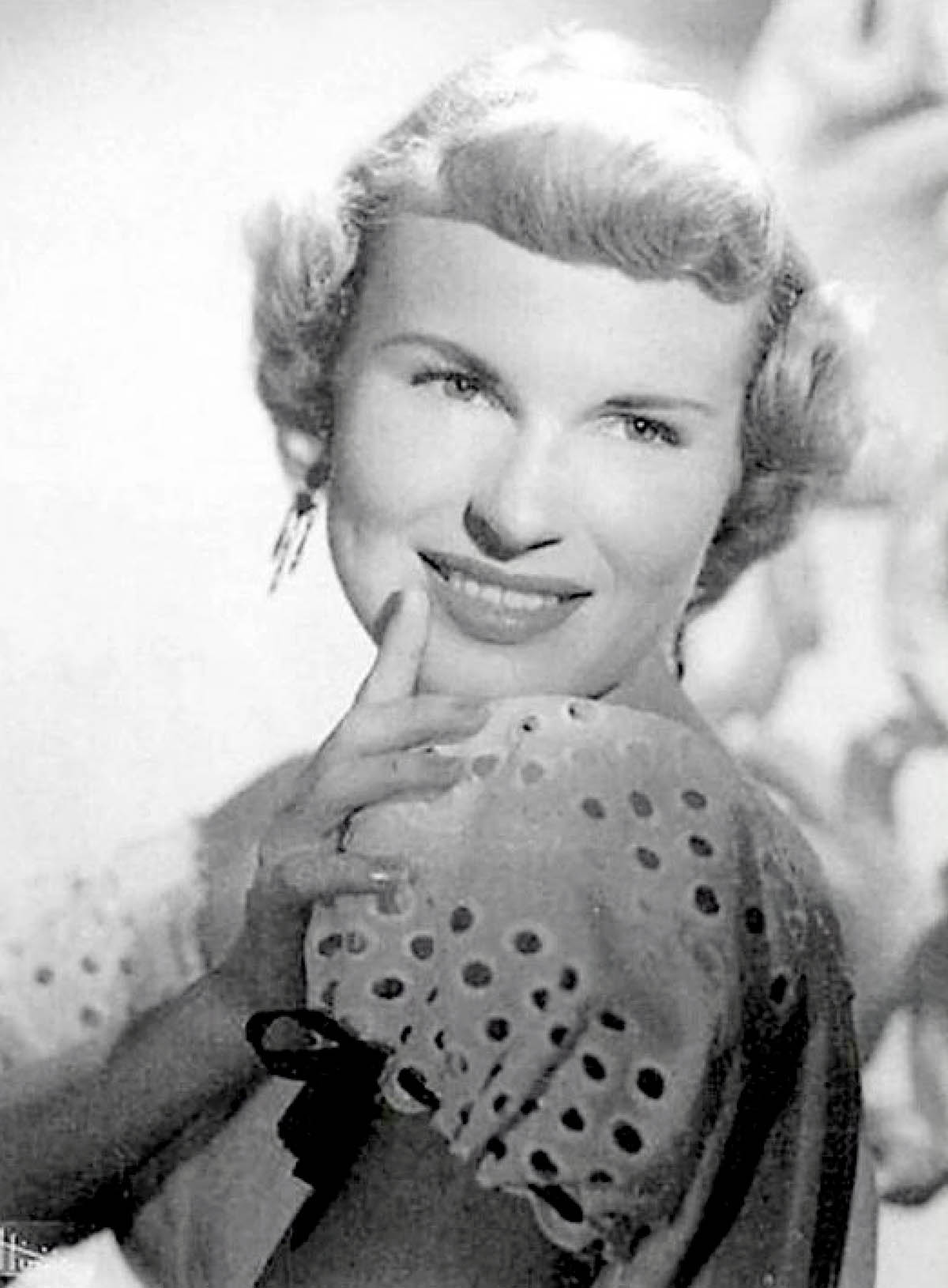
Jazz singer Betty Bennett. Photo courtesy of Claudia Previn Stasny.
In honor of Women’s History Month and International Women’s Day in particular, it seems only right to talk about women in music, particularly a couple I’ve known rather well: my mother, Betty Bennett Lowe, and first stepmother, Dory Langan Previn. Vastly different women, but each a marvelous musician in her own right.
Women have always been musicians, but I didn’t truly learn that until I was almost 30 years old. Little wonder: my music teachers, the band leaders, orchestra conductors, and major musical figures I knew were all men. My mother, a jazz singer with big bands and in jazz clubs for decades, known and respected by musicians both here and across the pond, taught me that—particularly early in her career—women were dismissed, denigrated, or just forgotten, and I raged inside at the inequity and utter shortsightedness of the opinions and behaviors that shunted us collectively to the sidelines. Growing up in Hollywood, I was all too aware of the personal professional hurdles that were demanded of women.

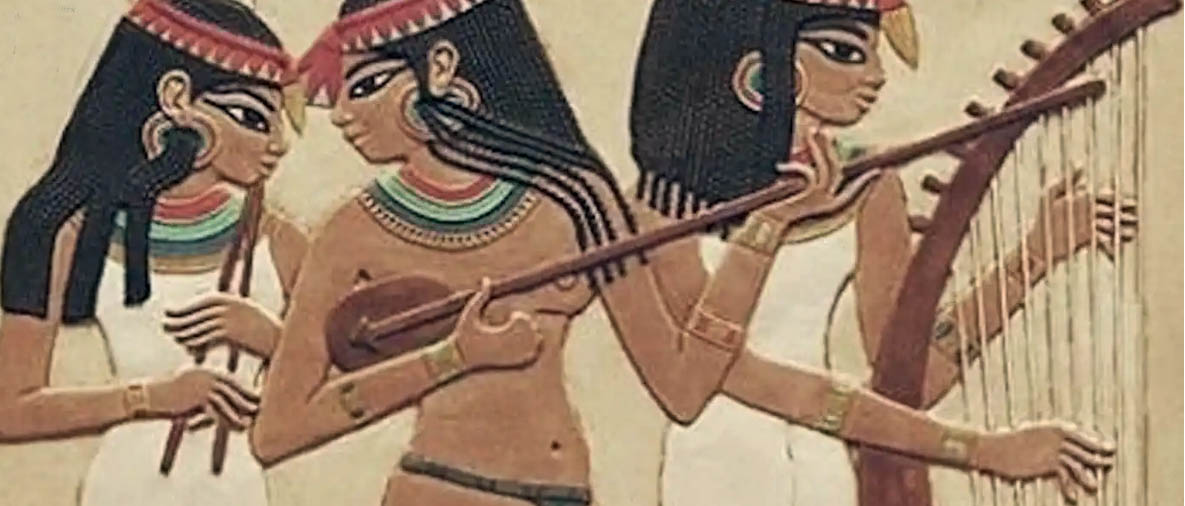
Ancient Egyptian women playing music.
In the ancient world, for example, surviving records show that women were the first drummers in powerful societies. Priestesses played frame drums and led spiritual rituals to divine the truth and the future, and their ceremonies shaped and affected group emotions and behaviors. Through vibrations, music transmits states of mind directly from consciousness to consciousness. Women substantially controlled sacred music and dance in Egypt, in Biblical lands, and in ancient Greece. History suggests that, politically, men felt their authority threatened by the powerful hold these early priestesses had on the populace (but that’s the subject of a very different article).
Music can resonate simultaneously on numerous levels—emotional, spiritual, intellectual, and physical—far more than words alone. As music initiates changes in group consciousness, it can affect vast social and economic cycles. Despite women being the primary percussionists of the ancient world, the political impact of their ceremonies threatened European patriarchal sensibilities and, in reaction, male leaders denied them the opportunity to learn music. (I’m grateful that didn’t stop our forebears. When music is in your soul, it cannot and must not be denied, in my never-humble opinion.)

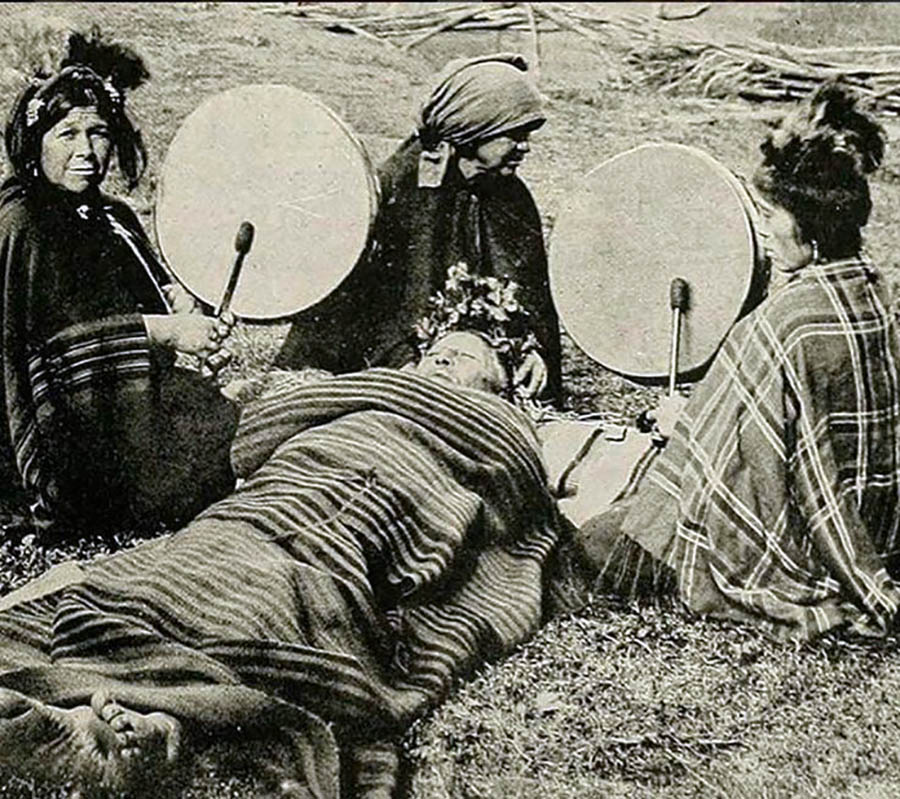
Chilean Mapuche medicine women playing the drums, 1908.
Despite men’s efforts to thwart them, women were not inactive—there have always been female musicians! We’ve long known how to shield our learning and wield our power (in secret if necessary), but as developing civilizations increasingly centered around male-dominated rulership and religion, we were relegated to obscurity. Particularly, during the past 30 to 50 years, professional women musicians have proliferated, and even a shallow dive into music history reveals how women struggle with a double standard and far more scrutiny into personal minutiae than recognizing talent and skill. Women have had to create their own significance.
Early in the last century, many venues barred women from performing, and discrimination was rife on the road, on the radio, and in recording studios. I learned about a lot of the women-as-second-class musicians from my mother, who started singing with big bands in her late teens. She had to deal with predatory band leaders; some players and leaders dismissed her outright despite her talent and beauty, simply because she was a woman relegated to window-dressing rather than a contributing musician. “When you’re not singing, just sit there and look pretty, and look like you’re having a good time.” She was still offended by the objectification and harassment when she told me about it decades afterward.

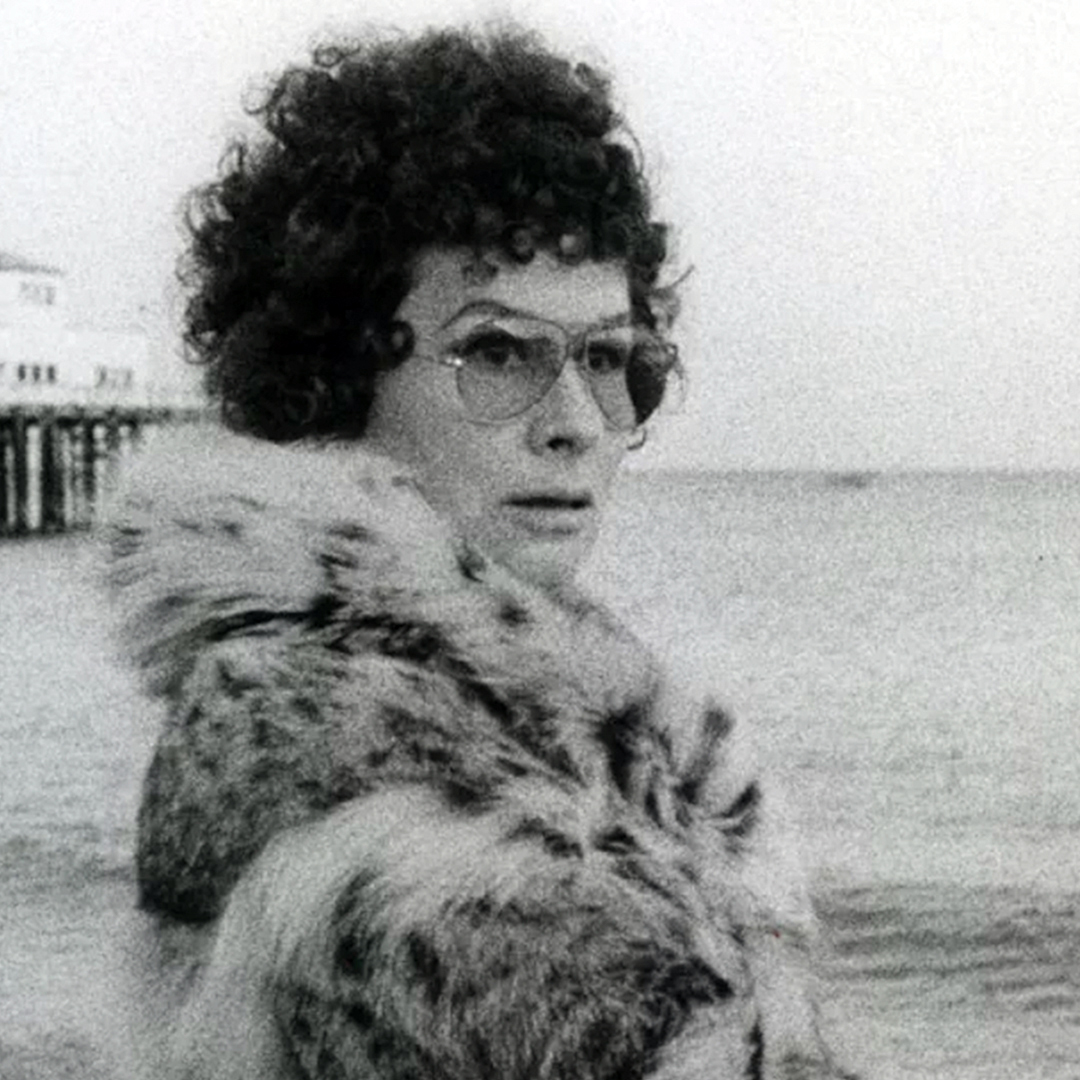
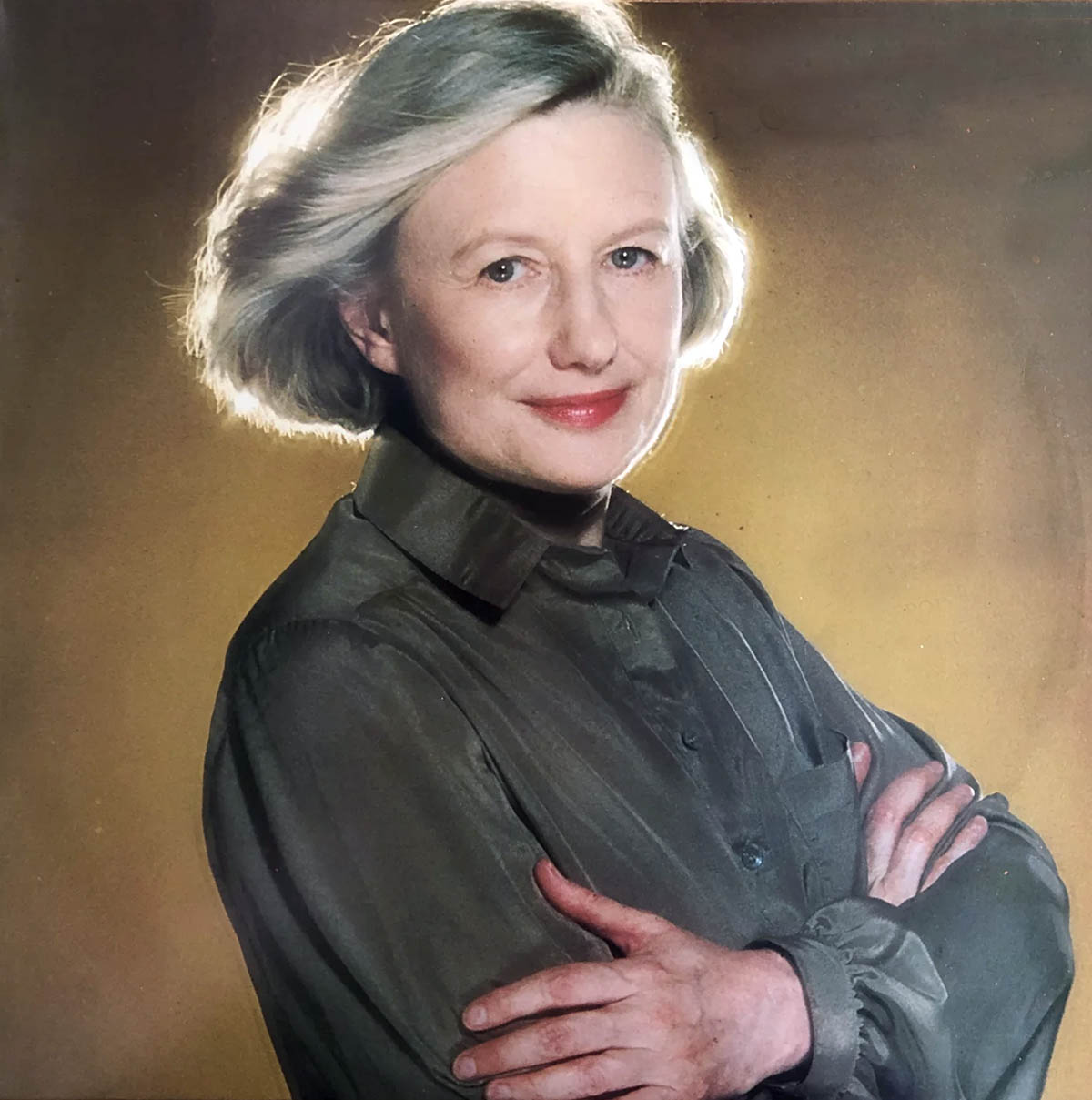
Dory Previn
As best she could, she stood up for fellow singers further cruelly treated because they were black. Once she and a black singer were about to catch a train to their next gig, but the platform guard denied entry to the black woman, and my mother said to him, “Well, you’d best turn me away too, I’m just as black as she is.” This caused the gate guard no small consternation: my mother was pale-skinned, had luxurious, smooth, honey-blonde hair, and features that proclaimed her Irish and English heritage. But she wouldn’t leave her friend! “Some of us pass more easily than others, you know.”
We had lots of LPs of female musicians in our household, especially singers. I learned to love so many marvelous jazz singers and players, such Carmen McRae, Ella Fitzgerald, Sarah Vaughn, Billie Holiday, Anita O’Day, Annie Ross, Marian McPartland, Mary Lou Williams, and Toshiko Akiyoshi, a top-level selection of the women in music we listened to while I was growing up. When I was about nine years old, she took me to the Light House Café in Hermosa Beach—she was friends with Howard Rumsey, one of the owners. We heard Carmen live, singing and playing some tunes for herself, and even at that young age I was knocked out by the fluid, masterful musicianship reflected in her playing and singing as well as her phrasing that drew on her talents in both. I saw and heard others there, but that Carmen evening was the highlight.

Blossom Dearie
A few years later, when I was in sixth grade, we went to England for the second time and lived in London because she’d befriended Ronnie Scott himself and often sang in his club. To my delight, she counted Blossom Dearie among her friends, and when Blossom came to London as part of a tour, she stayed with us in our Chelsea flat for a week! The house was even more filled with music, and creativity, and laughter, and gorgeous impromptu concerts because Blossom played our upright piano beautifully and she and mama sang. Nothing quite like home-grown, world-class musicians in one’s living room!
Like any “girl singer” my mother expressed opinions about other singers, and shared them freely with me. I quickly realized her biases were almost exclusively based on the singer’s vocal and breathing techniques, as well as melodic choices my mother either disagreed with or disapproved of! It was not personal.
My first stepmother was Dory Previn, and as I grew into my teens we became friends. She met my father (André) when she was his assigned lyricist for songs intended for films at MGM. They received several Academy Award nominations for their collaboration. She was an original! Her lyrics skillfully navigated and narrated irony and honesty, love, religion, society, sexuality, and psychology, and I count myself incredibly lucky to have been around while she wrote many of the original songs for her six albums. She took me on a cruise as her companion on a round trip between Los Angeles and Cabo San Lucas, a week down and a week back, because I was the only person, she said, she thought she could stand to be around for the entire trip. She’d had a troubled childhood—her father had deep psychological problems and he became the entire family’s jailor for several months when she was young; the stories horrified me. She coped by writing prose and wonderful songs that revealed so much about life and, often, a women’s place in relationships and life.

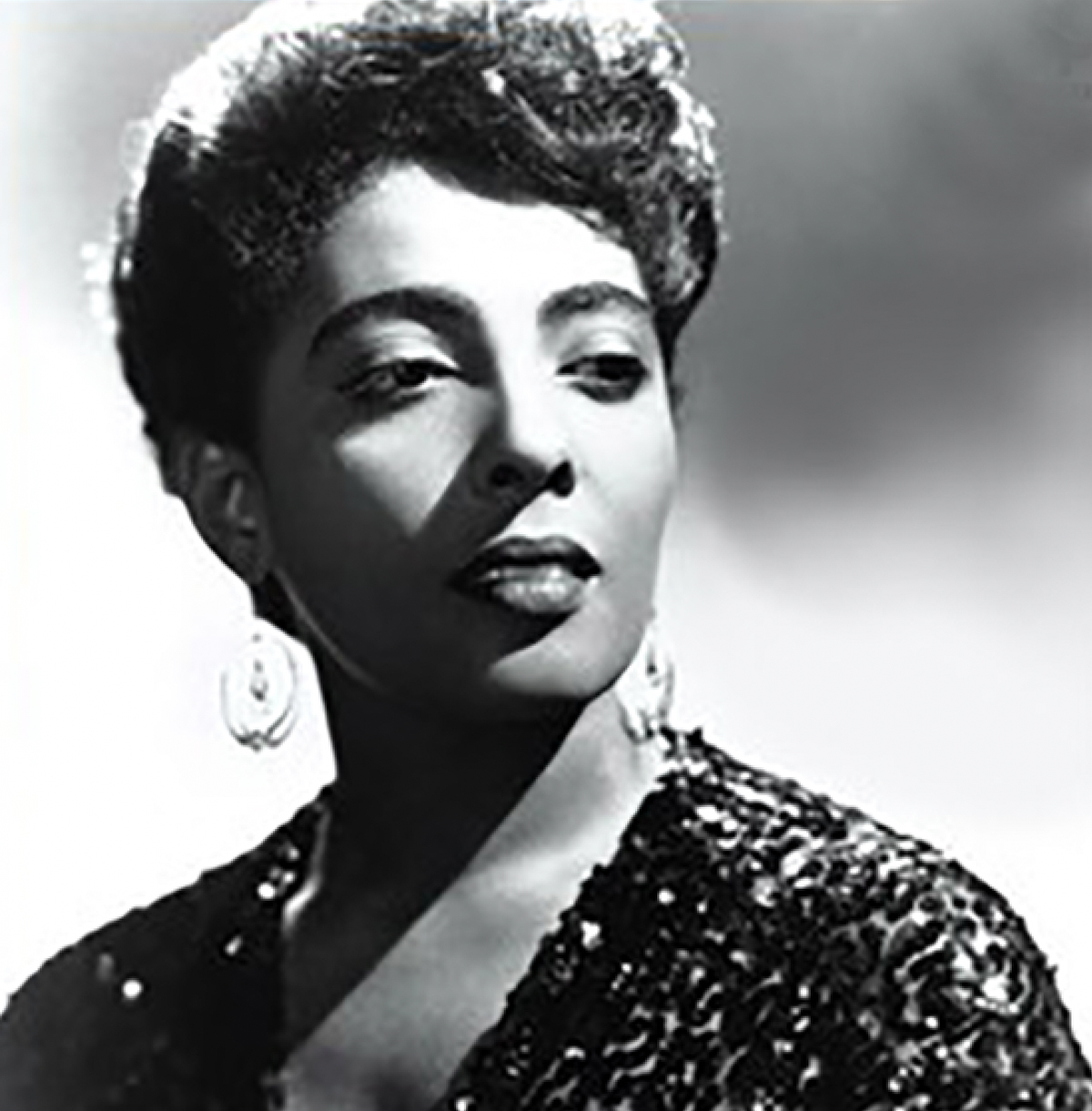
Carmen McRae
During the last couple of years of my mother’s life, I’d spend many evenings with her and, while we ate dinner, we’d listen to a Singers and Standards radio program, featuring numerous singers she had known. The stories about their lives and their music fascinated me, because she knew the humanity behind the hype for so many famous vocalists, and some of them had been friends. It was a remarkable gift to hear from someone who’d been there and experienced all of it, the exquisite and glorious to the profane and sad of her contemporaries. It felt rather like that program in Danish libraries, continued by the Human Library Organization that “lends” real people to readers, who are encouraged to ask difficult questions and get a real answer. May you have the joy of a person like that in your life, especially if she’s a musician.
I invite you to celebrate all the women in music you know, and hear them live if you can. And discover new music this month (check these pages for plenty of ideas). Or create and perform music that inspires passion, justice, freedom, love, and life. Who better than life-bearers, songwriters, and drummers to do that? Sue Palmer writes a monthly column in this publication called Women in Jazz and Blues, covering many of the musicians above, plus plenty more. https://sandiegotroubadour.com/?p=31509
Claudia Previn Stasny is a singer, actor, editor, and writer, who lives in the gorgeous little mountain town of Julian, California, with her husband, Jeffrey, two dowager cats, and a houseful of books and musical instruments.