CD Reviews

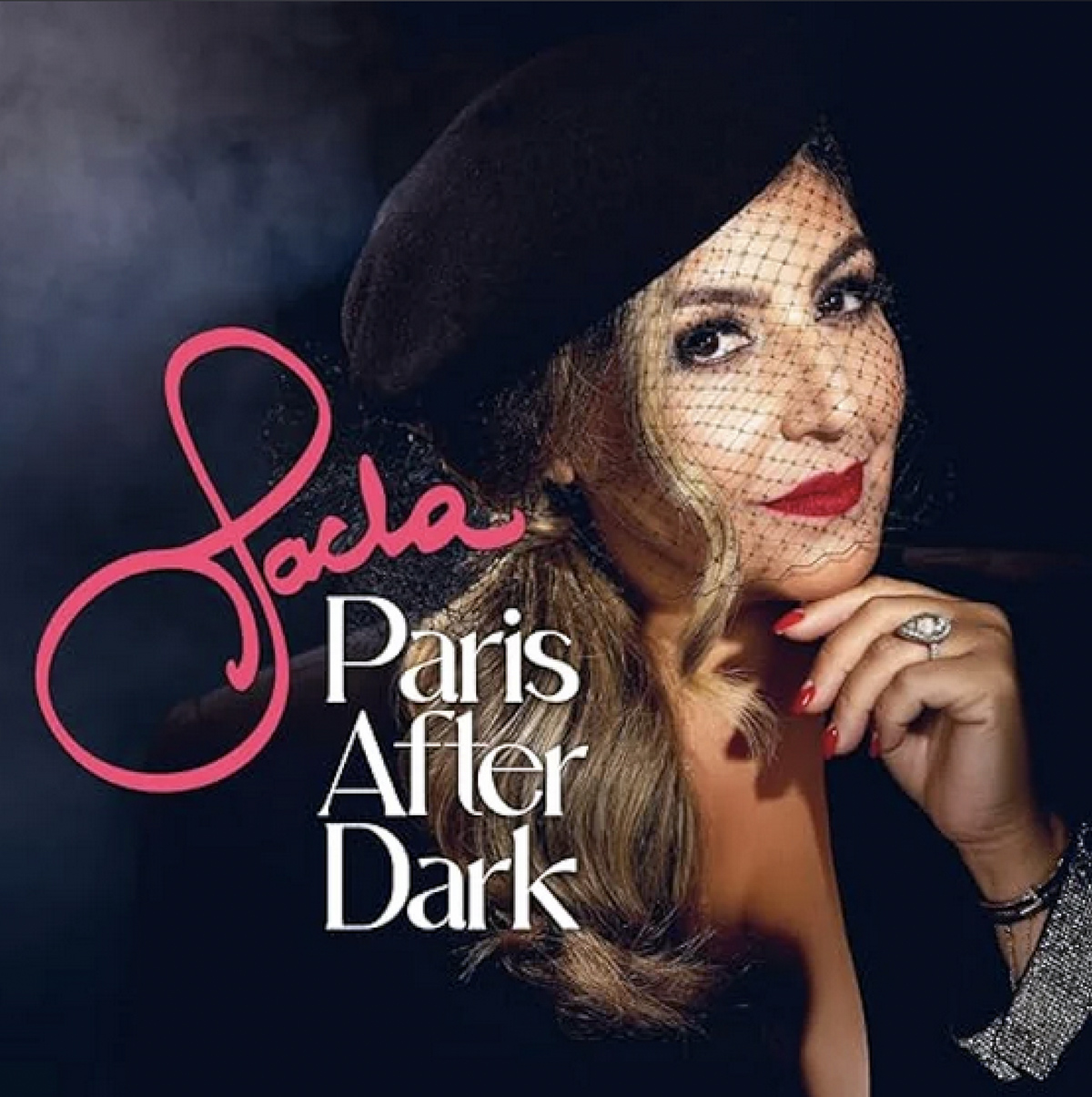
SACHA BOUTROS: Paris After Dark
June 2026

Screenshot

As musical tastes shifted in the 1960s, in many ways we swapped elegance and sophistication for pure spectacle.

It’s not entirely that simple, of course: big band swing outfits were perfectly capable of putting on an over-the-top show, and there are certainly pockets of very sophisticated songwriting and performance in modern rock, soul, and pop. Meanwhile, popular singers like Diana Krall and Harry Connick Jr. have ensured that previous forms didn’t disappear.

But the overall vibe shifted, and it’s fair to wonder if best-selling extravaganzas by acts like the Rolling Stones or Taylor Swift don’t still pale in many ways compared to, say, Ella Fitzgerald or Tony Bennett?

What brings this to mind is the sparkling new outing from San Diegan Sacha Boutros, Paris After Dark.

It is a throwback to an earlier age by a singer far too young to have experienced much of it herself.

Although, perhaps, it still exists in Paris, where Boutros has split her time the last few years. The international quintet she has assembled for this date is clearly conversant in the chansons and nightclub jazz of a bygone era. The playing is restrained, yet you can feel the passion bursting at the seams—much as in an old film where the romance is implied rather than explicit, and yet more powerful for it.

Paris After Dark is both continuation of and companion to her 2025 EP, Love Trilogy. It mines a similar trans-Atlantic trove of classic songs, but where the EP featured Boutros accompanied by either piano or guitar, the new release has her backed by a full band, including trumpet (Stephane Belmondo). Pianist Franck Amsallem plays with a light, yet swinging touch, somewhere between the late Mike Wofford and Ralph Sharon. Belmondo’s tone is warm and mellow on the horn, while guitarist Hugo Lippi pulls a nice fat sound out of his electrified guitar.

On songs like the old Sidney Bechet chestnut “Si tu Vois Ma Mèrek” or Cole Porter’s “In the Still of the Night,” the result is utterly beguiling, with Boutros’ gorgeous voice floating above a perfectly arranged and performed jazz foundation. This is the music you’d want playing when you and your beloved go to dinner to celebrate an anniversary. You can practically hear the white tablecloths and tuxedos.

Boutros continues to improve as a singer, using that tremendous instrument with more confidence and better technique on each outing. She’s learning how to hold a pause, when to arrive just behind the beat to create anticipation, and that the proper use of space is just as important as tonal purity.

Boutros can comfortably switch from English to French and even Italian. That she is fluent in these languges is a huge advantage over singers who have to memorize lyrics phonetically—she is able to swing effortlessly no matter the language.

The material here draws equally from the French and American canons, with the Italian classic “Love in Portofino” included for good measure.

This is a mature outing from a gifted singer who continues to push her own talents ever forward and is the sort of album to play during that fancy dinner party you’re going to want to host after hearing it.
As musical tastes shifted in the 1960s, in many ways we swapped elegance and sophistication for pure spectacle.

It’s not entirely that simple, of course: big band swing outfits were perfectly capable of putting on an over-the-top show, and there are certainly pockets of very sophisticated songwriting and performance in modern rock, soul, and pop. Meanwhile, popular singers like Diana Krall and Harry Connick Jr. have ensured that previous forms didn’t disappear.

But the overall vibe shifted, and it’s fair to wonder if best-selling extravaganzas by acts like the Rolling Stones or Taylor Swift don’t still pale in many ways compared to, say, Ella Fitzgerald or Tony Bennett?

What brings this to mind is the sparkling new outing from San Diegan Sacha Boutros, Paris After Dark.

It is a throwback to an earlier age by a singer far too young to have experienced much of it herself.

Although, perhaps, it still exists in Paris, where Boutros has split her time the last few years. The international quintet she has assembled for this date is clearly conversant in the chansons and nightclub jazz of a bygone era. The playing is restrained, yet you can feel the passion bursting at the seams—much as in an old film where the romance is implied rather than explicit, and yet more powerful for it.

Paris After Dark is both continuation of and companion to her 2025 EP, Love Trilogy. It mines a similar trans-Atlantic trove of classic songs, but where the EP featured Boutros accompanied by either piano or guitar, the new release has her backed by a full band, including trumpet (Stephane Belmondo). Pianist Franck Amsallem plays with a light, yet swinging touch, somewhere between the late Mike Wofford and Ralph Sharon. Belmondo’s tone is warm and mellow on the horn, while guitarist Hugo Lippi pulls a nice fat sound out of his electrified guitar.

On songs like the old Sidney Bechet chestnut “Si tu Vois Ma Mèrek” or Cole Porter’s “In the Still of the Night,” the result is utterly beguiling, with Boutros’ gorgeous voice floating above a perfectly arranged and performed jazz foundation. This is the music you’d want playing when you and your beloved go to dinner to celebrate an anniversary. You can practically hear the white tablecloths and tuxedos.

Boutros continues to improve as a singer, using that tremendous instrument with more confidence and better technique on each outing. She’s learning how to hold a pause, when to arrive just behind the beat to create anticipation, and that the proper use of space is just as important as tonal purity.

Boutros can comfortably switch from English to French and even Italian. That she is fluent in these languges is a huge advantage over singers who have to memorize lyrics phonetically—she is able to swing effortlessly no matter the language.

The material here draws equally from the French and American canons, with the Italian classic “Love in Portofino” included for good measure.

This is a mature outing from a gifted singer who continues to push her own talents ever forward and is the sort of album to play during that fancy dinner party you’re going to want to host after hearing it.

Popular Articles

Exit mobile version