Featured Stories
Richie Furay: A Life of Music, Faith, and Enduring Influence

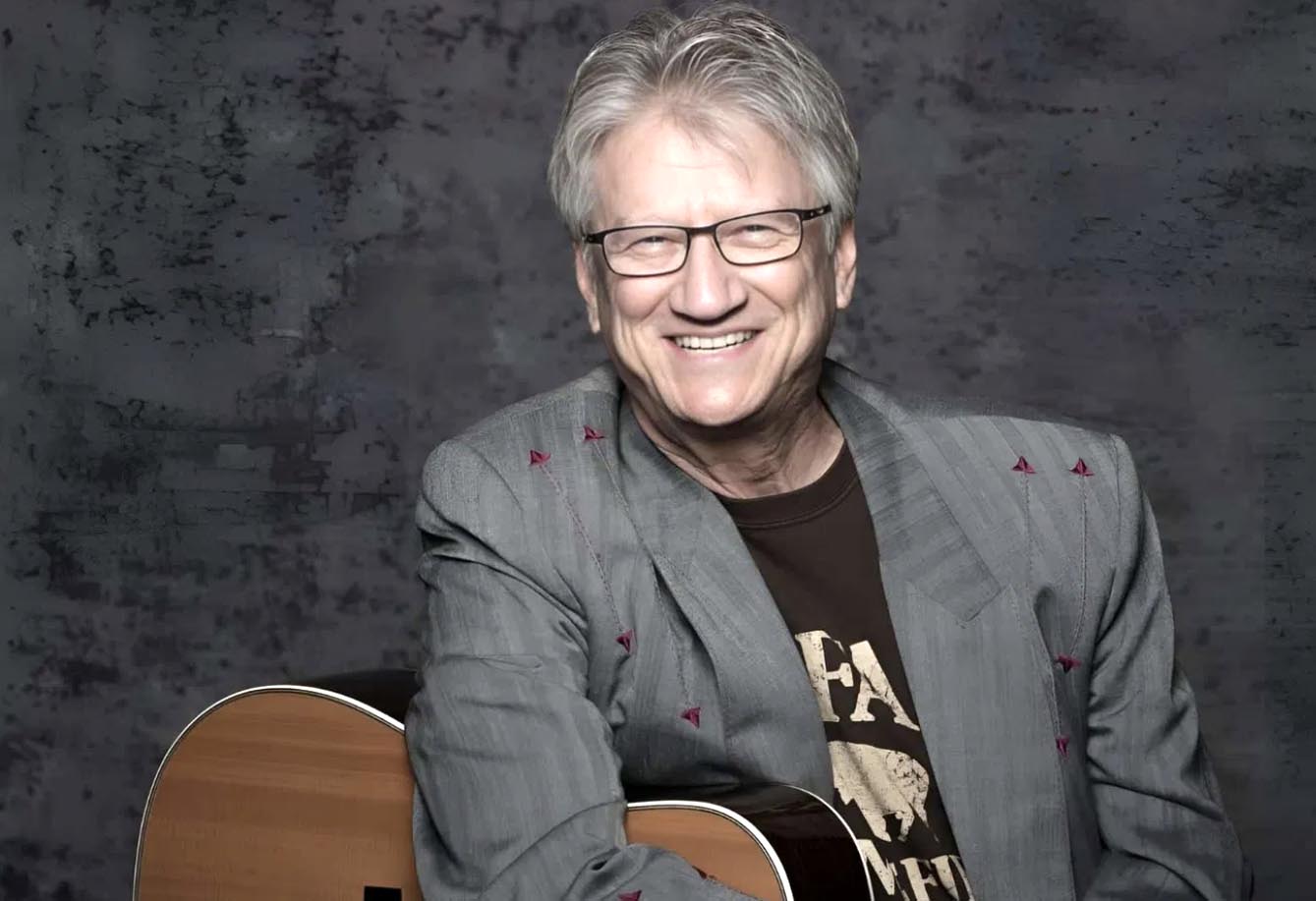
Richie Furay
For those of us fortunate enough to have followed popular music over the past several decades, certain voices become so familiar, so unmistakable, that they seem to reverberate with a life of their own. These voices reach into a song’s soul, revealing the emotion behind the words and music. Think of cultural icons such as Elvis Presley, Patsy Cline, Bob Dylan, Mick Jagger, and Lennon and McCartney. Then there are those who left us too soon, yet whose music still finds us: Robert Johnson, Blind Willie Johnson, Hank Williams, Buddy Holly, and Sam Cooke. Their voices changed the world, defining and redefining musical genres. Their voices changed the world, defining and redefining musical genres.
Richie Furay, co-founder of Buffalo Springfield, Poco, and the Souther, Hillman, Furay Band, belongs among these enduring artists. A country-rock pioneer and influential singer-songwriter, Furay helped shape a sound that continues to resonate across generations.
Although his influence on contemporary music is undeniable, Furay has carved out a singular place in American music history. His story, however, is about more than musical innovation. It is also a story of personal transformation, family, faith, and a lifelong commitment to a song’s power.
The musical fusion that became country rock drew from rock ‘n’ roll, rhythm and blues, folk, and traditional country music. The music Furay and his contemporaries created helped lay the groundwork for the sounds that would shape mainstream country over subsequent decades and eventually find a home within the broader Americana movement.
Richie Furay came of age in the 1950s—at the dawn of rock ‘n’ roll—in Yellow Springs, Ohio. His parents ran two small businesses: first a drugstore, then a successful gift shop. According to family history, Furay began playing guitar during this period. His father kept a jukebox at the drugstore for teenage customers, and when the records grew old, he brought them home for Richie’s older sister. Young Richie, however, had other plans. He would reclaim the records and memorize everything about them.
The music he absorbed—from country western to rhythm and blues and easy-listening pop—reflected a changing musical landscape in which styles were beginning to blend. Furay immersed himself in these sounds, absorbing their rhythms, melodies, and possibilities.
In 1955, Elvis Presley turned it all into rock ‘n’ roll.

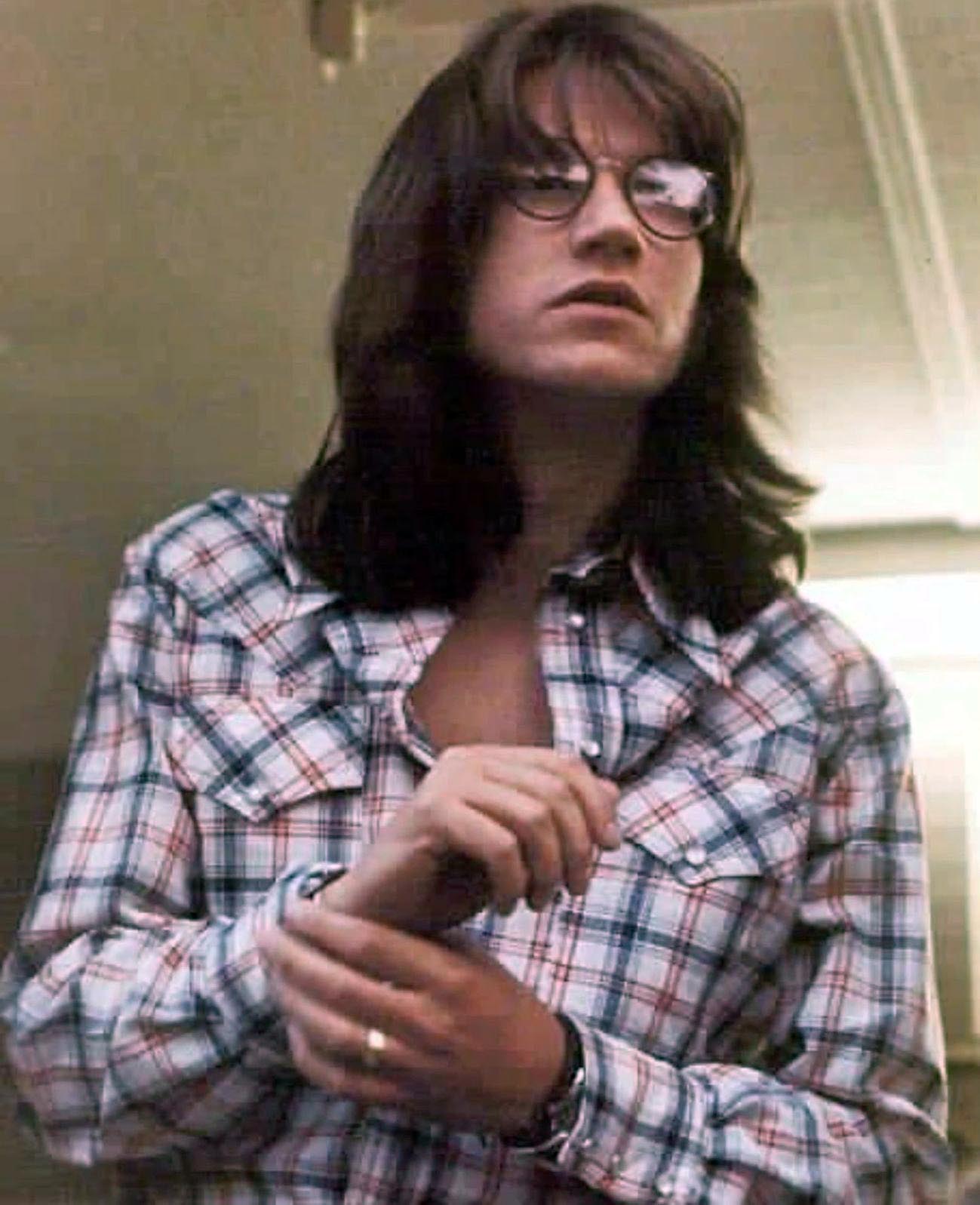
Young Richie
By 1958, when Furay first heard the Kingston Trio’s “Tom Dooley,” he was in middle school and already developing a deep passion for music. He joined his first band, the Barons, a doo-wop group of older high school students who recruited 14-year-old Furay as their lead vocalist.
After graduating from high school, Furay attended Otterbein College in Ohio, completing three semesters before leaving for New York City in 1964. There, he formed a folk trio called the Monks with fellow students Bob Harmelink and Nels Gustafson. Harmelink later recalled of Furay, “He saw this as his life’s work.”
That dedication led to a fateful meeting with folk singer Stephen Stills in Greenwich Village. Furay subsequently joined the nine-member Au-Go-Go Singers, a folk ensemble modeled in part on the popular New Christy Minstrels. The group recorded an album, giving Furay and Stills an early opportunity to develop their musical identities.
As the Greenwich Village singer-songwriter scene lost momentum, musicians increasingly looked to Los Angeles, where a new folk-rock movement was taking shape.
Furay’s New York adventure began to feel like it was time to move on. He struggled with his sense of calling in music, but he needed to earn a living. He moved to Massachusetts, took a conventional job with aerospace manufacturer Pratt & Whitney, and put his musical ambitions on hold. Then, a cosmic cowboy showed up. Gram Parsons, an old acquaintance from his Greenwich Village days, arrived with an album that would change everything.
The record was the Byrds’ debut, Mr. Tambourine Man, released in 1965. Recalling the episode in a phone conversation with the San Diego Troubadour, Furay said Parsons persuaded him to listen. In a recent interview with San Diego Troubadour, Furay recalled:
“When I was working at Pratt and Whitney and living with a family in Massachusetts, Gram drove up and brought that Byrds first album. He said, ‘Man, you got to hear this.’ I heard it and thought, ‘Oh my gosh, I’ve got to get out of here and make some music.’”
Whether Parsons meant to rekindle his friend’s musical ambitions or simply share this transformative new record, the effect was the same. Furay was ready to return to music.

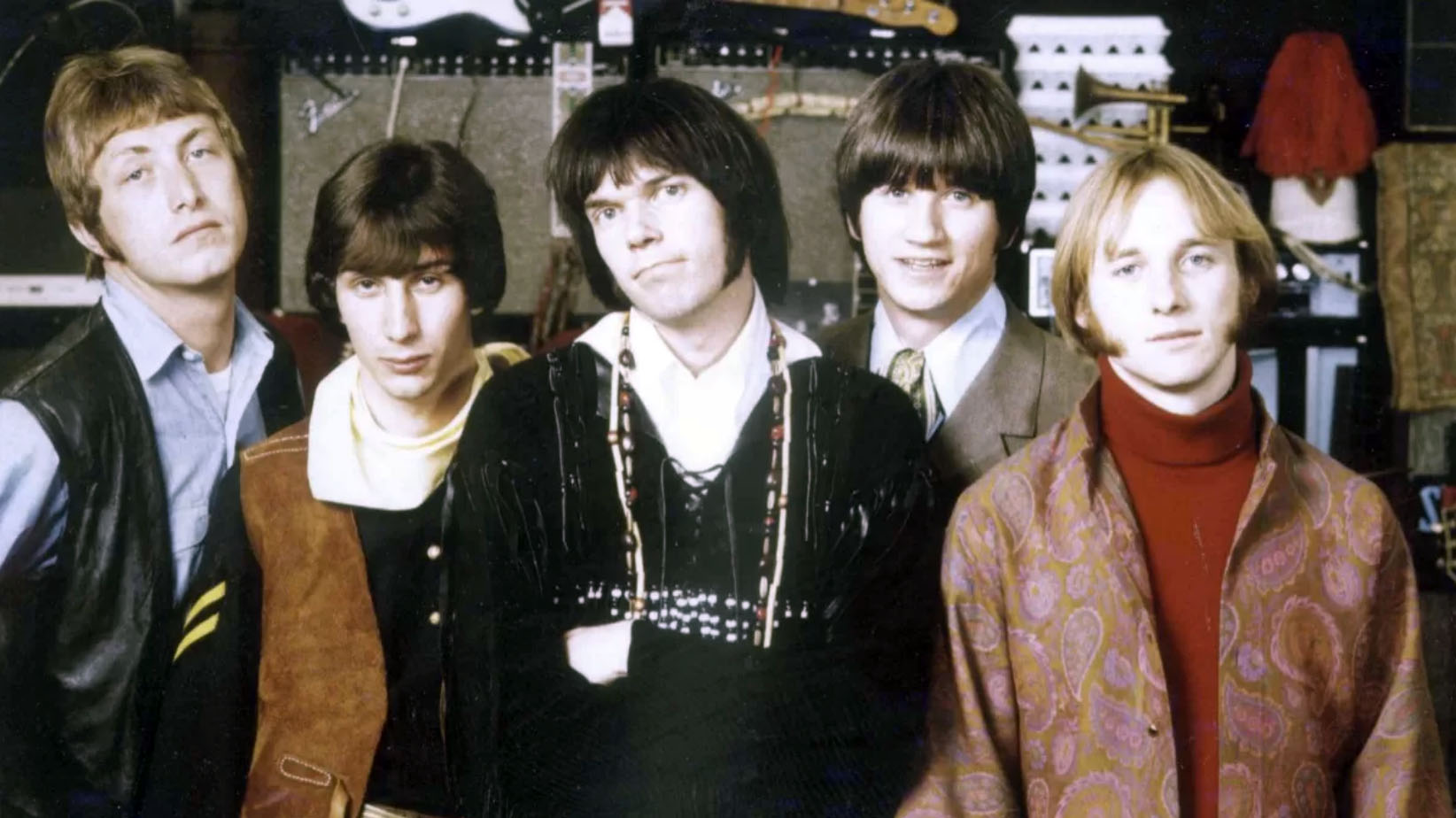
Buffalo Springfield (Dewey Martin, Jim Messina, Neil Young, Richie Furay, Stephen Stills)
He reached out to Stills, who had moved to Los Angeles to pursue success in the emerging folk-rock scene. Through Stills, Furay also encountered the distinctive Canadian singer-songwriter Neil Young. Both Furay and Stills were impressed by Young’s song “Nowadays Clancy Can’t Even Sing,” which would become Buffalo Springfield’s first single.
Eventually, Furay and Stills connected by telephone. As Furay recalled, Stills told him, “Hey, I got a band together, all I need is another singer, come on out!”
Furay headed to Los Angeles expecting to join a group that might follow in the Byrds’ footsteps. When he arrived, however, no band was there. Instead, he and Stills shared a one-bedroom apartment on Fountain Avenue in Hollywood and worked on the vocal arrangements that would help define Buffalo Springfield’s sound.
“We sat in that little room, and we learned how to harmonize, how to sing in unison, how to phrase together. We were as tight as could be. We were playing and learning all those songs that ended up on the first album.” Furay credits the Beatles’ vocals as an important influence on their work together. “They sang in unison and changed to harmonies,” he explained.
Buffalo Springfield would soon become one of the most influential groups of the 1960s. Stephen Stills’ “For What It’s Worth” became a major hit and an enduring anthem of its era. Ironically, it arrived late, after the first album was released. After finishing the demo, Stills famously told ATCO Records’ Ahmet Ertegun, “Here it is, for what it’s worth.” Even so, with a hit and successful touring, the band’s decline began as soon as they were formed. Neil Young’s sporadic participation revealed his desire to pursue his own music as a solo artist.

Over time, Furay’s songwriting emerged, showing a remarkable flair for blending country music with his rock instincts. On Buffalo Springfield Again, he contributed “A Child’s Claim to Fame” and “A Sad Memory,” songs that revealed his growing affinity for country influences. “A Child’s Claim to Fame” even found James Burton enlisted for dobro. It must have been a delight for Furay to have one of Ricky Nelson’s and Elvis’ lead guitarists on the session. The song succinctly defined Furay’s frustration with Neil Young. According to Furay, at the 2011 Buffalo Springfield reunion in Santa Barbara, Young abruptly stopped the song’s intro and asked Furay, “Did you write this about me?” Furay did not answer, and the song continued.
By the time the group assembled its third and final album, Last Time Around, in 1968, Buffalo Springfield was effectively finished. Jim Messina and Richie Furay played central roles in completing the record, which brought together material recorded during the band’s increasingly fragmented final period.

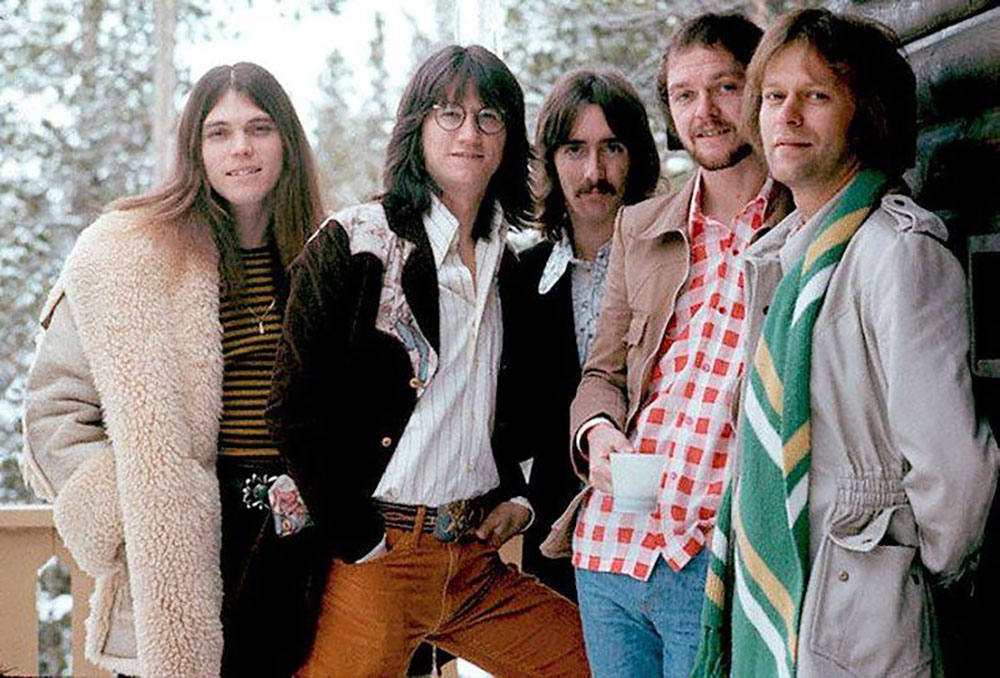
Furay (second from left) with members of Poco.
One of its standout tracks was Furay’s “Kind Woman,” featuring the pedal-steel guitar of Rusty Young. The recording pointed toward a new musical direction, blending country instrumentation with rock sensibilities in a way that would become central to Poco, the band Furay, Messina, and Young helped establish in the wake of Buffalo Springfield’s demise. According to Furay and Messina, Stills and Young basically phoned in their songs, sending their tracks in to be finished by the rest of the band.
Richie Furay’s songwriting continued to grow in the years that followed. With Poco, he helped develop a new, original, and energetic, guitar-driven approach to country rock, writing enduring songs such as “Pickin’ Up the Pieces,” “A Man Like Me,” and “Good Feelin’ to Know.”
His performances were equally memorable. His windmill-like arm movements, leaps across the stage, and distinctive tiptoe dance became hallmarks of a dynamic stage presence that set him apart from other performers of the era.
Poco’s sound centered on the interplay of pedal steel, electric lead guitar, and a tight bass-and-drums foundation. The result gave country rock a physical energy that recalled Sun Records’ early rockabilly sounds while helping establish a distinctly Southern California musical identity.
At the time, some critics dismissed country rock as “laid back.” That description may have fit some performers, but it never told Poco’s whole story. Listen to the band’s first five albums, with Furay driving the songs forward and inspiring his bandmates, and the notion of country-rock as easygoing background music quickly falls away. The original Poco could be melodic and reflective, but they could also rock with urgency, exuberance, and an unmistakable sense of purpose. Live audiences responded in kind, ecstatically dancing with abandon.
Furay’s career soon took another turn toward collaboration after he left Poco. At David Geffen’s suggestion, he co-founded Souther, Hillman, Furay with friends Chris Hillman and J.D. Souther. The group was intended to follow the model of Crosby, Stills & Nash, but the musical chemistry never quite came together, either on record or onstage, as it had for Furay with Poco and Buffalo Springfield.
The group’s self-titled debut achieved moderate success and yielded a Furay classic, “Fallin’ in Love,” which became a Top 40 hit in 1974. Nevertheless, the band’s eventual breakup proved almost inevitable.
During this period, Furay grew close to Al Perkins, the group’s pedal-steel guitarist and an outspoken evangelical Christian. Their friendship would prove fateful. As Furay’s musical career lost momentum, his marriage to Nancy fell apart. Initially, Furay opposed Perkins joining the group because of his openness about his faith. Eventually, however, he accepted Perkins, and the two developed a friendship that would change Furay’s life.

Through Perkins, Furay was introduced to Christianity, a transformation that also helped heal his marriage. Recalling the experience during a 2021 broadcast of The 700 Club, Furay described a moment of profound desperation:
“I was crying my brains out. I had to pull off the road. I was crying out to God, ‘I want my family back. I want them back.’ I can still hear that still, small voice: ‘That’s how much I want you to want Me.’”
As his life changed, so did his musical trajectory. Furay eventually moved to Colorado, where he served as a church pastor for 35 years. He gave up his pursuit of rock stardom for a different calling, but music remained essential to his life. His days as a full-time band member were behind him, yet his solo career was just beginning.
Furay’s solo years are every bit as significant to the development of Americana and country-rooted music as his groundbreaking early work. Across his solo albums, he continued the story of a rock pioneer whose influence has too often gone unrecognized. Through changing musical trends and life’s many transformations, his unmistakable voice and enduring artistry have remained constant.
His first solo album, I’ve Got a Reason, came with a promise to Asylum Records head David Geffen: he wouldn’t preach religion in his music. Furay agreed and honored that commitment. Produced by Bill Schnee and Michael Omartian, the album offered a revealing portrait of his musical journey while adding depth to his songwriting legacy.
Although it received mixed reviews upon release, the album’s reputation has grown more favorable over time. Today, it stands as an honest and vulnerable solo statement from a rock legend. Songs such as “Look at the Sun,” “I’ve Got a Reason,” and “Still Rolling Stones” combine contemporary rock production with the story of a life transformed by faith. For anyone looking for an introduction to Furay as a solo artist, this is the place to start.
In 1976, expressions of faith was rare in pop culture, which often rejected traditional religion. But, over the years, Richie Furay once again proved to be a pioneer and, in this case, maybe a rock ‘n’ roll missionary. In 1976, soul music great, Al Green became an ordained minister. Soon, a band from Ireland, U2, would break through with similar messaging as Furay’s. In 1979, Bob Dylan, announced his conversion to Christianity. But, it was Richie Furay who took this stand and opened doors for so many others. Today it is not uncommon to integrate faith and pop culture.

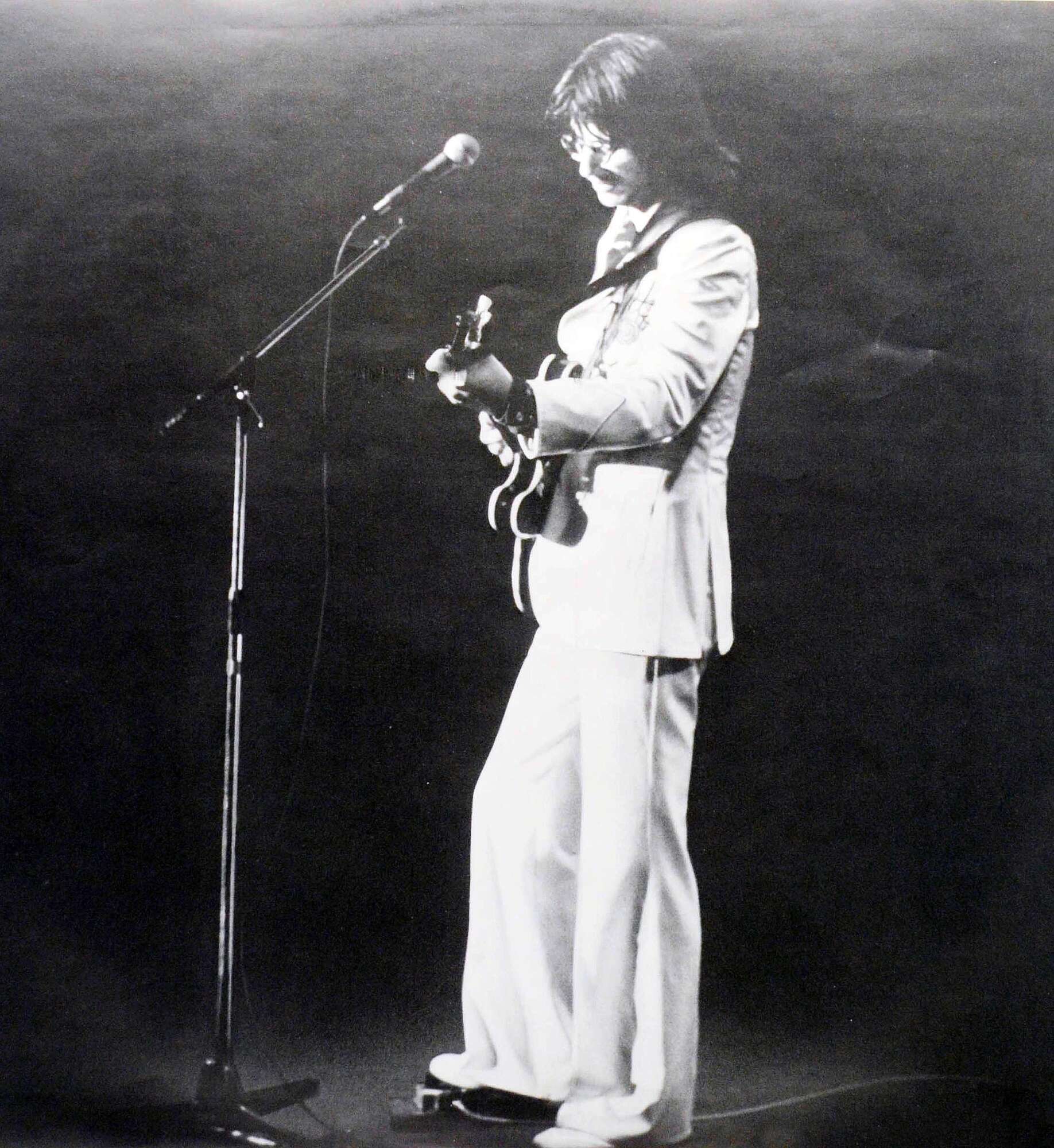
His subsequent releases have made their mark critically, if not always commercially. Among them, In My Father’s House, released in 1997, stands as a spiritual successor to I’ve Got a Reason, offering a passionate collection that retains Furay’s trademark sound while bringing listeners closer to the heart of his faith.
In 2006, Furay brought together an impressive collection of musicians for Heartbeat of Love, including Stephen Stills, Neil Young, Timothy B. Schmit, Paul Cotton, and Rusty Young. The album featured a re-recording of “Kind Woman,” with Neil Young on guitar and harmony vocals—a particularly meaningful reunion of Buffalo Springfield’s musical family.
The opening track, “Forever with You,” features Jeff Hanna of the Nitty Gritty Dirt Band and immediately reaffirms Furay’s enduring Poco-era energy. The album fulfills that promise with a collection of songs that balances musical vitality with heartfelt reflection. “Calling Out Your Name,” in particular, brings the story full circle, pairing Stephen Stills’ background vocals with those of Furay’s daughter, Jesse.
Furay has continued to release albums, including Hand-in-Hand and the 2022 collection of contemporary country songs, In the Country. The latter features his interpretation of Keith Urban’s “Somebody Like You,” which Furay delivers with his unmistakable vocal style. The album also includes Garth Brooks’ “The Dance” and Marc Cohn’s “Walking in Memphis.” His performance of “Your Love Amazes Me,” the hit made famous by John Berry, is worth the price of admission alone.
Today, and during our interview, the documentary film Through It All: The Life and Influence of Richie Furay has Furay particularly excited. Narrated by Cameron Crowe, the film explores the full scope of his life, extending well beyond his achievements in rock music to encompass his family, his faith, and his 35 years of ministry in Colorado.
“The director, Denny Klein, has gotten a perspective of my whole life, not just on rock ‘n’ roll, but focused on my family, my 35 years in ministry in Colorado. It’s the whole spectrum. The interviews he got were just great. Some who aren’t with us anymore gave interviews, like J.D. Souther and Steve Cropper. Beyond that, Clive Davis and David Geffen gave interviews. It’s really an honest look at all of my life.”

The documentary will also revisit Furay’s friendships and musical history with Buffalo Springfield’s surviving core, Neil Young and Stephen Stills.
According to Furay, the three musicians met with filmmaker Cameron Crowe in 2024 at Stephen Stills’ home. He said the reunion reminded them that their differences had never erased their constant historical musical connection.
“We got together with Cameron Crowe two years ago at Stephen’s place. You know what? It was absolutely fine. Stephen, Neil, and I together, there was no problem. That’s always been how it is. We have very different views on things, but it doesn’t get in the way of who we are as friends and musicians and a family that work together.”
As Furay comes to the San Diego area this month, Back to the Garden, a talented local band with a retro-modern sound, will back him. His daughter, Jesse Furay Lynch, and longtime band member Dan Skarda will also join him for two special farewell performances. It all happens on November 6 at the California Center for the Arts, Escondido, and November 7 at the Coach House in San Juan Capistrano.
Reflecting on a career that began when he first took the stage in 1958, Furay shared his gratitude for the journey. In a recent interview with Scott Ross on Between the Liner Notes podcast, he said:
“It’s awesome. I’ve lived my dreams. It’s beyond anything that I could have asked for. To have my name written there with Elvis Presley and Ricky Nelson… it’s pretty touching to know that the music I’ve made over the years has had an impact on people.”
But Furay’s ultimate measure of success reaches beyond musical recognition.
“But let me tell you, there’s nothing more important than my name being written in the Lamb’s Book of Life.”