Raider of the Lost Arts
Novelty
Novelty refers to the quality of being new, original, or unusual, stimulating curiosity and cognitive engagement.
––Google dictionary


Alysa Liu
When Alysa Liu won comeback gold in women’s figure skating at the winter Olympics in Milan earlier this year, she did so with more than just her work-life-balanced flare that ran contrary to the business-as-usual stress athletes and their spectators have come to expect from such high-stakes competitions. Along with a pierced inner lip ring that hung down to adorn her top front teeth (another first for the sport), elegant costumes that subtly bent sartorial norms, and off-the-beaten-path music by contemporary artists in two of her presentations (Laufey’s “Promise” for her short program, and “Stateside” by PinkPantheress and Zara Larsson for the exhibition gala), a new hairstyle emerged that enhanced her unconventional beauty, one that arguably hadn’t been seen before on anyone else in any field: periodic blonde highlights that not only mimicked the rings of a tree in their once-a-year application, but also signified an implicit tribute to her biracial heritage.
Liu has hardly been out of the spotlight since, having captured our imaginations to become an object of international infatuation and idolization with her effervescent joie de vivre at the games and public appearances, her ongoing prioritization of mental health within the skating world (she took a self-care pass on the 2026 world championships in Prague), and her fashion choices off the ice, ranging from hip-hop couture redolent of her Oakland roots to leathery goth chic. She has been seen in mixed company with other prominent athletes, on the covers of magazines, with movie stars at February’s Oscar parties, appeared in Laufey’s “Madwoman” video, and even managed to make an idolized and idolizing Taylor Swift look staid and passé at the iHeartRadio Music Awards in March. This latest outshining of Swift puts a disappointing spotlight on today’s novelty-bereft music industry, begging the two-part question: why are there so few sonic and sartorial surprises in contemporary pop music, and when and how did they begin to wane?

**************
Throughout the history of popular music, novelty has usually manifested in one or both of two facets: substance, i.e. musical innovation, and style in the cultivation of a different image, usually a new or significantly modified way of dressing and/or presenting (many post WWII cultural/generational shifts have included a new haircut and uniform). In the early days, the novelty was easier to come by in the musical realm, as sonic frontiers still abounded. Clothing styles changed with the era, mostly on their own, and not necessarily in tandem with evolution in the artform.
Fast forward past early human beings banging drums around fires and wailing in caves, the development of the 12-tone western system, monks moaning in monasteries, the Baroque masters, Mozart and Beethoven, to Niccolo Paganini, the 19th century Italian violin master who was so technically prodigious and passionate that he had to compose his own repertoire and showcase it mostly by himself on multiple tours that took him to all the major music centers of his day. That combined with his preternatural posture, diabolically intense stage presence (he is the ground-zero source of the “Devil’s Fiddler” archetype), and his romantic exploits (including a scandalous syphilis diagnosis and concomitant opium-mercury treatment, and jail time served), make him the first captivating sex-and-drugs, shock-rocking prodigy of novel note.
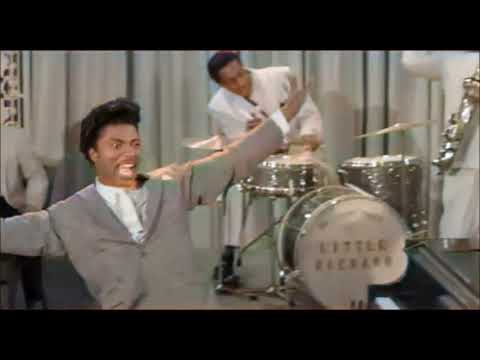
Fast forward again through the 19th century fathers of popular opera, Wagnerian epics, the serial modernism of Stockhausen, Stravinsky, and Schoenberg, Django Reinhardt and Stéphane Grappelli’s gypsy jazz, 27 Club founder and ground-zero rock ‘n’ roll influencer Robert Johnson’s fully orchestrated blues guitar, keening voice, and crossroad-mythology-inspiring lyrics, the bombastic matching-suit extravagance of big bands (led by captivating soloists like Louis Armstrong, Duke Ellington, and Buddy Rich), to the first teen idols of the forties and fifties. Frank Sinatra was a blue-eyed, well-dressed, silken-voiced surrogate for women whose men were in Europe and the Pacific fighting the war. Elvis Presley took midnight ramble music and added his whitewashed visual spectacle to it, including loose suits and black-dyed, styled-up hair, and salacious new dance moves that vexed the censors. Little Richard, Chuck Berry, and Jerry Lee Lewis enthralled the nascent teenager class––who listened to their radios decked out in t-shirts, jeans, leather jackets, and gelled-up pompadour hair for the guys, argyle sweaters, “bobby socks,” and long skirts for the girls––with their influential rock and roll flash. Buddy Holly delighted with his self-authored songs and unconventionally charming, four-eyed-nerd persona.
But jazz, as an American-invented and perfected genre, was where the real stimulating surprises were happening, at least on a musical level. Tonality got stretched and thus diversified in the conveyable emotions by the hybridization of blues and modern classical music to unprecedented levels of improvisational melody and complex harmony by practitioners like Thelonious Monk, Miles Davis, Gillespie, Coltrane, Parker, et al. New rhythms and rhythmic feels were also fruitfully explored and exploited; the 1959 Dave Brubeck Quartet album Time Out––with the “hit” “Take Five,” performed in title-congruent, swinging 5/4 meter––was the first jazz album to sell a million copies.

Movie and musical soundtracks broke their own new ground, with composers like Leonard Bernstein blazing a tonality-bending, emotionally expansive trail in films like On the Waterfront and Broadway hits like West Side Story. Henry Mancini created jazz-inflected earworms for films and TV shows like The Pink Panther and Peter Gunn respectively, among many others. Later, Mancini protégé John Williams would wave his genius wand over blockbuster hits like the now nearly 50-year-old Star Wars, with masterful set pieces that were at once highly memorable and subtly innovative, and perfectly matched and enhanced the action, characters, and moods onscreen.

James Brown combined natty style––sharp suits, theatrically utilized capes, and crazy-leg dance moves––with a new kind of groove to create a genre: soul, or perhaps more appropriately, funk. Although it was sometimes difficult to discern exactly what he was singing, the pioneering band and its hyperkinetic bowsprit left the frenetic dance floor punters with no doubt.

Then, in February of 1964, the Beatles invaded America. Multiple generations of gleefully rapt millions initially experienced the Fab Four through their televisions as they performed live on the Ed Sullivan Show. Responsible for so many musical, stylistic, and highly influential pop firsts, it boggles the mind to retrospectively recognize (they evolved from being the first boy band with unique haircuts and suits to the preëminent imaginative wizard prophets of the awakening era, were the first pop artists to feature eastern instruments and music combined with western classical and standard styles [including sophisticated chord changes and upper harmony] as four frontmen writing their own music, their use of feedback, backwards guitar, avant garde tape loops, etc.), the Beatles singlehandedly revolutionized not only pop music but also the record industry, raising the LP to the same status as the almighty single (which they also elevated), and having expanded sixties culture consciousness with stylistic flair to spare.

In the late sixties, south paw Jimi Hendrix synthesized an exciting new language for the blues-guitar-based power trio in the studio and onstage while flashily dressed and gesticulating as only he could have. In the early seventies, the highly experimental virtuoso collective known as Yes took the progressive and vocal cues of the Beatles to previously unimagined heights, combining rock, jazz, classical, country, folk, and pop idioms with seemingly inane but still compelling phonetic-centric lyrics that were often rendered in lush three-part harmonies––all pulled off live––in the supernova detonation of their fantastic, limit-expanding sound (ignore keyboardist Rick Wakeman’s sequined cape in favor of cover artist Roger Dean’s fantastic one-of-a-kind stage sets in terms of their novel visual imagery). Genesis peddled their bucolic prog in parallel, with the visual assistance of singer Peter Gabriel’s otherworldly, symbiotic stage costumes and makeup.

Early seventies glam rock saw the New York Dolls go back to musical basics while taking their image to the unprecedented apex of androgyny via women’s makeup, clothing, and platform shoes. T Rex was similar, but David Bowie kept up the gender-ambiguous surprises in both aspects of the presentation, as did brilliant contemporary Elton John. Frank Zappa treated the rock band like an orchestra, with startlingly complex but still followable compositions that pushed limits while sugarcoated in a glaze of pervasive humor. Led Zeppelin astounded as four prodigies bringing the blues-based, expansive thunder to their cinematic compositions and adaptations. Kiss picked up the ball dropped by the New York Dolls, taking it well past the end zone with their kabuki stage makeup and terrifying bespoke costumes that abetted the heavy music.

Beginning in the mid-seventies, punk inaugurated a radical new way of dressing and presenting that spat in the face of rock and disco’s accumulated excesses. Bands and punters alike sported spiked up mohawks, safety pin piercings (often in non-ear locations), garishly dyed hair, heavily modified and tattered clothes, and purposefully offensive shirts and symbolism, while pogoing to––and often gobbing at––the high-energy likes of the Ramones, the Sex Pistols, and The Clash. From the late-seventies ashes of punk, groups like the quirky, Warhol-esque, futuristically-dressed, dadaist DEVO and the bewigged, Fellini-pool-party house band the B-52s arose to provide the noticeable surprises on all fronts, as did the angular, utterly new wave Missing Persons only a few short years later. The Police rode their punk-jazz-reggae rocket all the way to the moon of popular success as innovative musicians’ musicians.

The eighties, though here and there just embarrassing, bore an embarrassment of riches. Prince, Madonna, Kate Bush, and Michael Jackson, all born within months of each other in 1958, dominated the charts, concert halls, airwaves, and the recently minted MTV, each possessed of their own ways of dressing (Madonna’s female audiences in particular were, almost to a girl, dressed exactly like her), choreography styles, and their understanding of subtly innovative pop songwriting craft and studio production. Edward Van Halen ran with the baton Hendrix passed in his expansion of the guitar’s techno-aesthetic possibilities, even going so far as to give his axe its own bespoke, instantly recognizable striped stamp, which was just as novel and identifiable with the times as his lead cameo on Michael Jackson’s “Beat It.” Hip hop blazed a spoken word, beat- and bass-heavy, breakdancing trail thanks to early, uniquely-outfitted pioneers like the Sugar Hill Gang, Grand Master Flash & the Furious 5, LL Cool J, and Run DMC, who paved a path for subsequent innovators NWA, Dr. Dre, Snoop Dogg, Ice Cube, Ice T, the Beastie Boys, Public Enemy, Eminem, and others.
![Prince - Baby I'm A Star (Live 1984) [Official Video]](https://i.ytimg.com/vi/9Lgf2VU_M70/hqdefault.jpg)
Grunge blossomed into the nineties from seeds that were initially planted in the mid-eighties underground and early-decade second-wave punk. Crossing that genre, prog, and heavy metal with long hair, ripped jeans, and flannel shirts (just like their audiences wore), Seattle-based bands like Soundgarden and Nirvana took over the mainstream on their own terms. Sinéad O’Connor, P.J. Harvey, Liz Phair, and Bjork pushed back against patriarchally imposed norms with gender-balanced charisma and authority, with music and images that titillated and challenged the ears and eyes.

**************
1997 is arguably the year the music industry––as it had been known up to that point––began its ignominious unraveling.
The Millennial generation came of age, sweeping Gen X’s subtly complex heaviness aside in favor of simpler, more lighthearted thrills, which the generation’s older denizens had first found in the softer, safer sounds and image of Phish, Blues Traveler, Dave Matthews Band, the Spin Doctors, the Gin Blossoms, and Hootie and the Blowfish. Their younger brothers and sisters got into bubblegum solo artists and derivative boy and girl groups like Brittney Spears, Christina Aguilera, Ricky Martin, Enrique Iglesias, and NSYNC, Hanson, the Backstreet Boys, and the Spice Girls respectively, drastically lowering the novelty bar even as new acts tried to emulate past pioneers, only with less substance for grist.
Record sales exploded, which ironically stoked major label avarice and concomitant intolerance for innovation in substance and style, which, after the passing of the early seventies golden age, they progressively realized can alienate enough listeners to significantly reduce revenue. Blockbusters became the new bottom line, even as the average album’s retail price skyrocketed, and labels began to routinely drop artists if they didn’t generate platinum sales right out of the gate.
Recording studios were already phasing out analog in favor of emergent digital technology, and with it came plug-ins like Autotune that rendered genuine vocal ability––or lack thereof––a moot issue, enabling a priority shift to the cultivation of sure-fire, youthful image over age-refined but harder to break talent.
And then Napster and the MP3 happened, which placed all the power in the hands of tapped-out consumers even as it simultaneously began the aural and perceived devaluation of music in both our ears and minds, as only reduced sound quality and free file sharing could. People’s attention––now whittled down to a 33-second nub by too many options and other distractions––supplanted money as the valued commodity, and it got harder to garner and maintain as consumer choices burgeoned along with internet speed and bandwidth.
The loan-shark record companies lost the plot––and the profits––in their poorly handled transition from pedaling physical product to operating in the inchoate digital music realm. Dwindling market shares meant the labels could no longer offer the largesse––for recording, production, distribution, advertising, and video budgets, etc.––developing (and even established) artists need to have a fighting chance at being heard, seen, and culturally embraced into the zeitgeist enough to generate ample record sales and, someday, disproportionate royalties. They consolidated down to a handful of bottom-line-obsessed conglomerates and then essentially died off, until what we are left with now are a few companies of modest means that have made a handful of ringer artists’ lives even more of an indentured servitude, forcing acts into 360 deals (wherein the label gets a share of all the revenue, including tour merch, which used to keep their touring acts at a subsistence level on the road), and selling out artists’ catalogs to streaming services for a lump sum, none of which an artist ever sees, while getting paid fractions of a penny on the dollar for streams of their signed-away music. There is no longer sufficient financial incentive––and fame no longer bears its erstwhile cachet––for artists to be willing to sign their souls away in exchange, or to put any real effort into the creation of a novel music and image package.
Digital audio workstations––or DAWs as they’re now abbreviatedly known––enabled anyone with the ways and means to create radio-ready recordings at home or other convenient location, hijacking that process from suddenly overpriced and obsolete professional studios and experienced specialists and leaving it with still-learning-the-ropes novices, beginning the phasing out of the studio system.
Now we’re drowning in a gigantic ocean of digitized music of questionable quality (thanks in part to the 2000s-fomented loudness wars) made by too many artists, too many highly selective listeners have too many choices, and artists have to fight past the point of marginal utility to be heard (and seen on social media) let alone purchased, while the listener’s expectations of the artists––and the artists’ cache of education and accrued life experiences (i.e. character)––has also diminished, leaving artists with less to offer in terms of the resultant IP, and listeners requiring less intellectual and emotional stimulation from it.
The crisis era that began after the 9/11 catalyst completed the sixties-initiated shift of societal focus from collective responsibility and stability to individual rights and disorder in the chaotic moment, which has steadily transformed the concert-going experience––and, in a sense, the consumption of recorded music––into something recorded on a cell phone in the past to be enjoyed and bragged about in the future, transmogrifying live performances from communally transcendent to individually cachet-enhancing. As a sea of cell phones capturing (and yet also losing) the moment for later consumption, audiences have been progressively neglecting their part of the live music equation––engaging with and receiving the artists’ music and manna and returning it with non-distracted enthusiasm, repeat cycle––for many years now, choosing instead the self-aggrandizing, one-way flow of nostalgic filming.
The percentage of artists that are able to rise to the top has always been miniscule, but we’re now talking about less than a handful of high-grossing superstars under contemporary parameters. To Taylor Swift’s credit, she has seized the moment and handled the business end of her career like a you-go-gurl Machiavellian master, setting a singular standard for success in the near impossible current climate (though she is also unwittingly emblematic of the pervasive income inequality we’re also witnessing in most of corporatized society, disbursed road crew bonuses aside). But Swift’s legacy speaks more of her acquiescence to the current consumer climate than to any trace of the erstwhile spirit of provocative artistry, or to any novel aesthetic mark she will leave behind in her recorded (and re-recorded) body of work.
Pop music has always been about the era in which it was made and how much challenging innovation and novel surprise audiences can concomitantly tolerate, and during times of crisis like these, they don’t need their minds engaged or blown any more than they already are; they need distracting safety and bottled joy in both sound and image, sonic and visual comfort food, and, ideally, an escape from the chaotic present into the rose-colored nostalgia of the glorified yet statically dependable past. What accomplishes this better than prefab, formulaic electronic dance music with base lyrics that evoke the ever-coveted, fleeting, selfishly sought rush of falling in love (or the vindicated sensation of “justifiably” breaking up with someone “undeserving,” and then starting all over again) or having fun on a night out (or in) with close friends before that? In this light, Taylor Swift is everything her contemporary, predominantly female audience needs: saccharine yet empowering music that plays by the predictable rules, and an innocuously sexy, G-rated image with costumes and choreography that don’t push too hard against preëstablished all-ages norms, all watered down to enable mass consumption.
Almost like a professional ice skater…
You would have been forgiven if you’d mistaken Taylor Swift for the gold medalist and Alysa Liu for the pop star at the iHeartRadio Awards back in March, as they each present(ed) as what we expect––or used to expect––to be the epitome of the other’s field of expertise. Liu’s novelty has transpired in an athletic echelon that has existed in virtually the same form for a much longer time, so Liu’s iconoclasm is perhaps longer overdue for her sport, and ergo more novel. This is all fine and good for younger, don’t-know-any-better listeners, but for older get-off-my-lawn audiophiles who remember more conducive, stimulating eras and have been shamed into silence for their intolerance of the conditions that have engendered this recent inverted scenario, it is anathema.
**************
Novel artists are still out there, but they’ve done what has often been necessary since the early eighties and have retreated to the ever-fertile underground. Angine de Poitrine, the cryptic, polka-dotted, golden-triangle-fetishizing, anonymously masked, phallus-nosed duo out of Montreal, have blown up from the substrata with a microtonal mélange of oddly danceable, all-ages loop-prog. It might be a little too much novelty concentrated in one act to appeal in a massive pop way––and there’s still plenty of gas left in the 12-tone tank, if artists from the mainstream down would only dig deeper––but at least someone’s out there making an effort to pursue progress.
Meanwhile, we lazy listeners will have to get off our entitled, distracted asses and actively search out the new acts––or undiscovered erstwhile ones––bringing the novelty in abundant quantities, and we’ll continue to wonder if, when the smoke finally clears and we leave this crisis chaos behind us, we’ll return to a more conducive era for substance and style.
Simeon Flick is an award-winning music journalist and a decades-long contributor to the San Diego Troubadour, as well as a San Diego Music Award-nominated singer-songwriter, multi-instrumentalist, classical guitarist (he holds a Bachelor of Music in Classical Guitar Performance degree from the University of Redlands), and home studio owner and operator. He lives in La Mesa with his wife, Allison, and their two cats, Louis Winthorpe III and Billy Ray Valentine, Capricorn.