Featured Stories
Kenny Wayne Shepherd Revisits his Early History

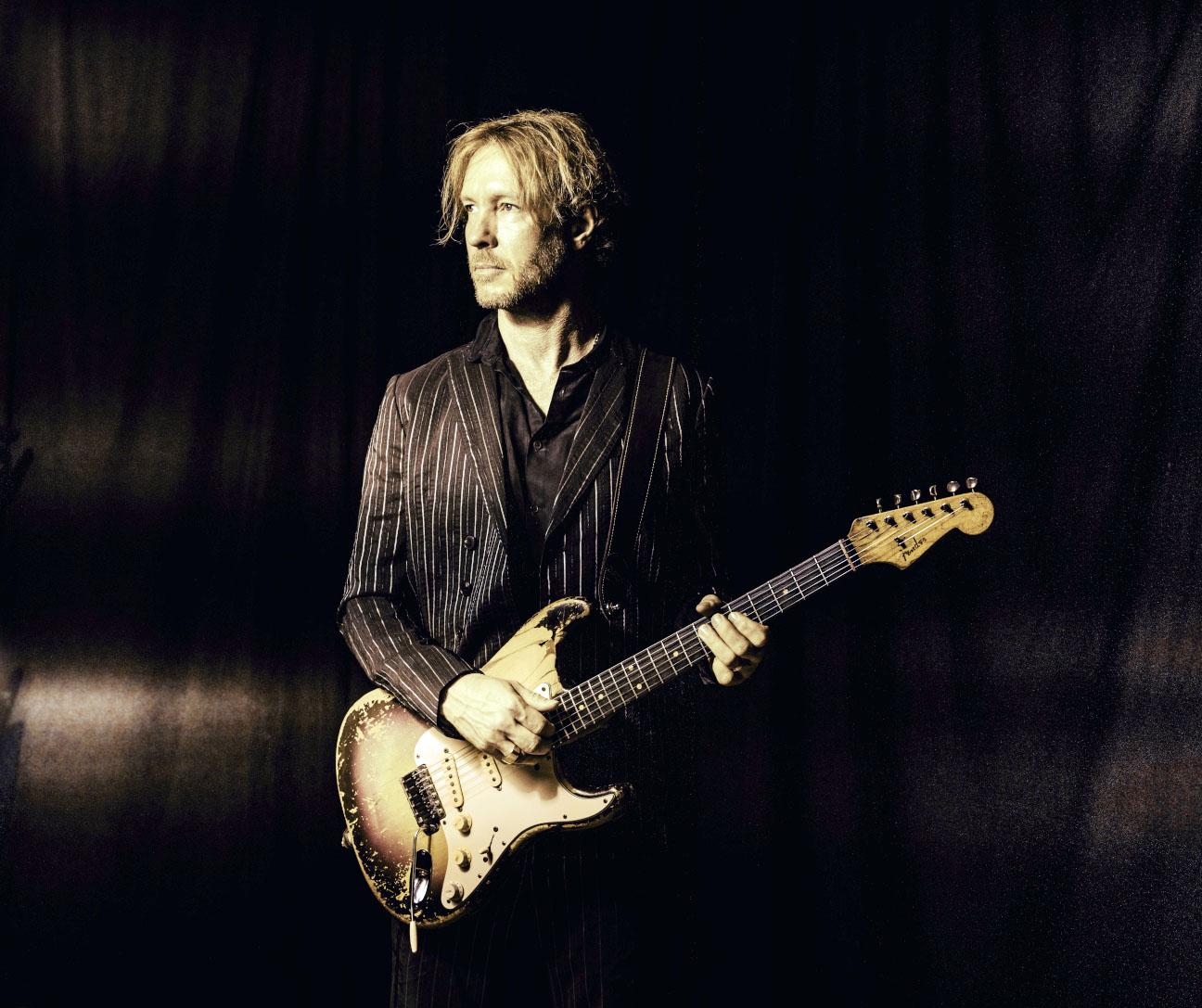
Kenny Wayne Shepherd. Photo by Jim Arbogast.
It seems impossible that it’s been 30 years since Kenny Wayne Shepherd burst on the scene, the designated heir apparent as the next great blues guitar hero. He was part of a mid-’90s crop of young teenaged blues guitar whizzes who arrived nearly at the same time. Shepherd’s debut, Ledbetter Heights, was issued in 1995, a few months after he turned 18, with “Monster” Mike Welch’s debut in 1996 (who was not yet 18), and Jonny Lang’s big label debut a year after that (the day before he turned 16!).
The three of them were often viciously vilified by self-appointed blues “purists” who objected to, well, seemingly their very existence. That the three of them have all persevered and created respected bodies of work in the intervening years is a testament not only to their respective talents and discipline, but also to the emptiness of the self-appointed gatekeepers’ attacks against them.
In an interview ahead of his June 23 show at the California Center for the Arts, Escondido, Shepherd was asked about the criticism he received when he was just starting out.
“I heard all kinds of stuff. Obviously, you’re interested in what people are saying about you. You want people to know about you and what you’re doing. Back in the ’90s, that was the early days of the Internet, before social media. You had chat boards that people would get on. You would read people talking trash and saying all kinds of things.
“It took a while to get adjusted to the fact that when you’re in the public eye, people are going to have opinions and they’re going to express them. You obviously want everyone to love and appreciate you, but that isn’t going to happen.”
Shepherd was then asked if it was jarring to go from being the new hotshot on the scene to now being a veteran cited by the latest generation as an influence and inspiration.
“I still don’t hear the word ‘veteran’ too often. As you get older, they call you ‘legendary.’ It’s a little softer. Still, because my history is what it is—my career started when I was a teenager—they still talk very much about my teenage years and how young I was. We’ve made the transition from the young, up-and-coming generation to the new old-timers club!”

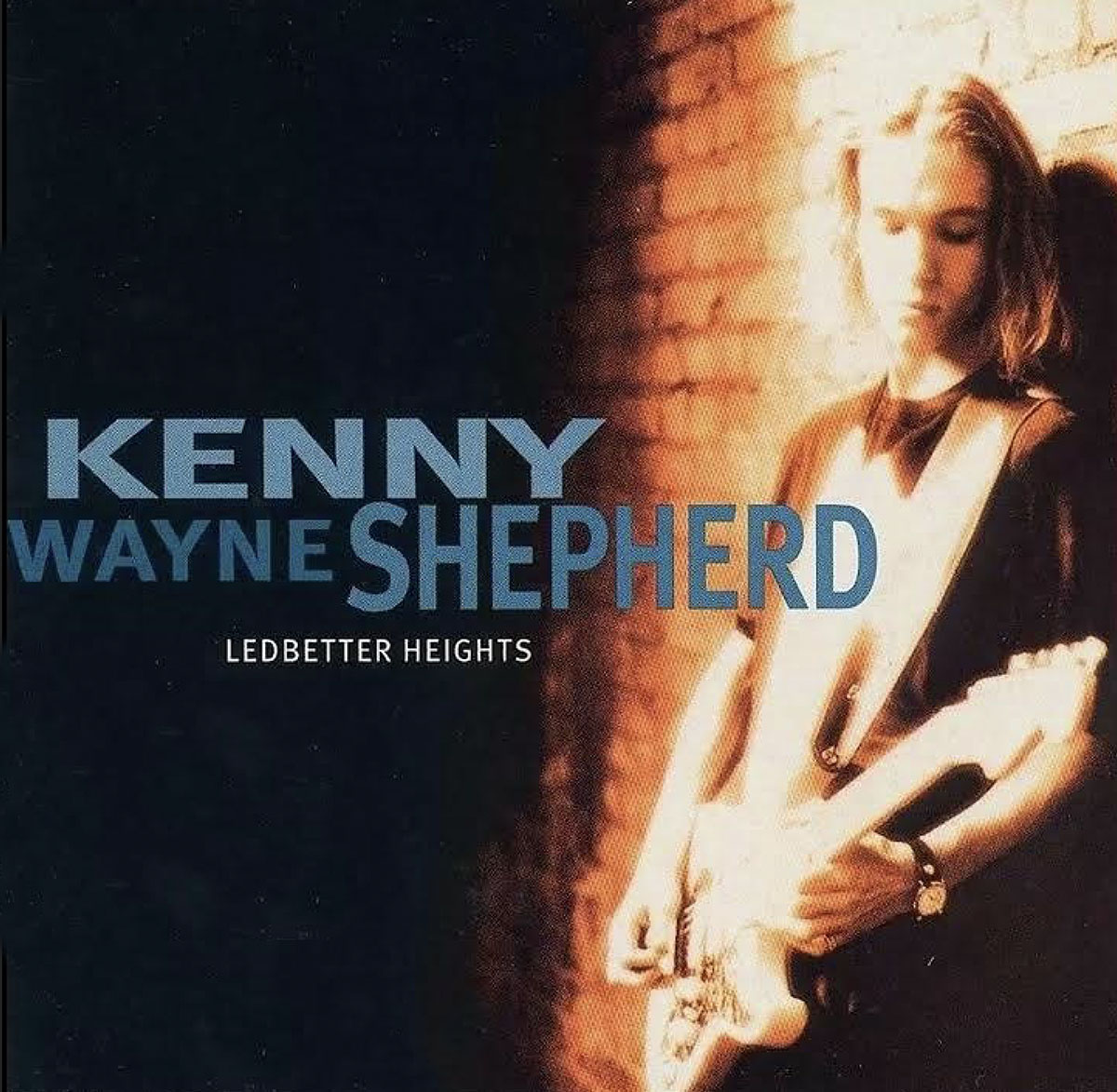
Shepherd’s Ledbetter Heights album, first released in 1995.
In celebration of the 30th anniversary of Ledbetter Heights, Shepherd and his band are performing his debut album in its entirety on their current tour.
In anticipation of the tour’s focus, they went into the studio and re-recorded the album. Ledbetter Heights (The 30th Anniversary Sessions) was released on May 8, in conjunction with his tour.
Shepherd said there were several reasons for the new version of the album, not least among them the fact that he changed lead singers after that first album, with vocalist Noah Hunt having been with him ever since.
“I thought it was a relevant thing to do—and it gave us the opportunity to get reacquainted with that material.”
Feedback from fans also fed into the decision to re-record the album.
“Noah joined my band on lead vocals for my second album, so people have wondered how that first album would have sounded if he’d been in the band then.”
Shepherd also admitted that royalties of those songs on the new version—à la Taylor Swift’s many “Taylor’s Version” re-creations of earlier albums—played a role, too.
“Obviously, there’s a business angle too: getting control of your music in a new version.”
As to the decision to perform the album in its entirety on tour, Shepherd pointed to previous success with the concept.
“We did this for the 25th anniversary of my second album, Trouble Is. It went over very well with the fans. We sold out nearly every show. That’s a monumental album for me, and this is as well. This is the album that introduced me to the fans—and my music—to the world. And most of these songs we haven’t played in 29 years. We know the fans are going to get a unique experience.”
Since he is revisiting his debut on his current tour and on his new release, Shepherd was asked if he knew that performing music would be his career when he was working on that album all those years ago.
“I was hoping it would be my career! All signs were pointing in that direction. I remember handing the record over to the record company, and it was kind of a helpless moment. It was out of my control. ‘We’re going to see what happens.’ I knew it was a real possibility that the record company would release the record, and nobody would care. Thankfully, it connected. The first single came out and went to No. 5. And we were off to the races.”

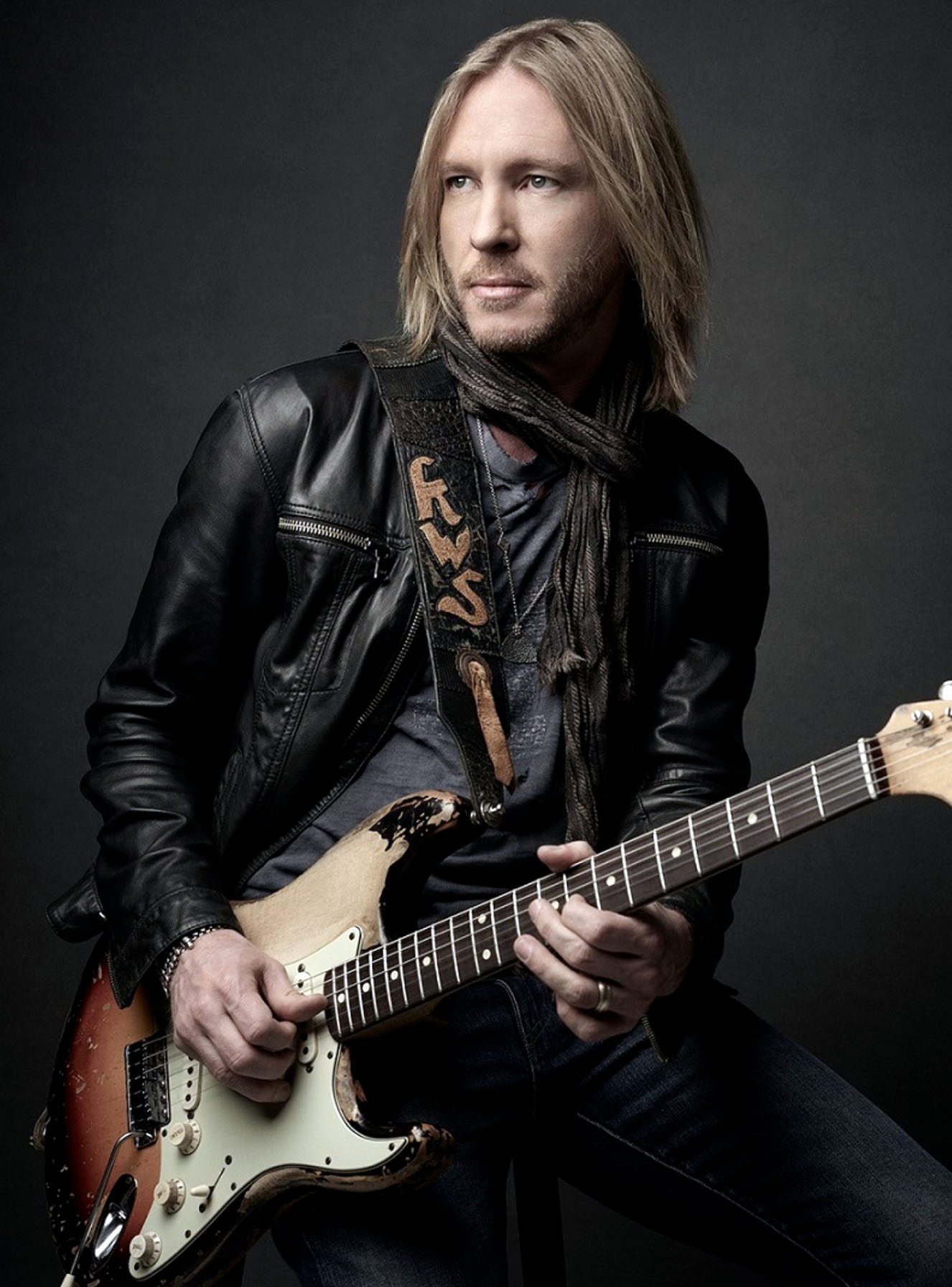
Shepherd in his younger days.
Over the years, Shepherd has gotten to perform and record with some of the biggest names in the blues. In 2007, he made a documentary film and soundtrack album, 10 Days Out: Blues from the Backroads, where he played with everyone from B.B. King to Pinetop Perkins, Lazy Lester to David “Honeyboy” Edwards, who was touring with the legendary Robert Johnson when Johnson was poisoned in 1938.
And last year, he recorded the album Young Fashioned Ways with nonagenarian singer, Bobby Rush.
Did he ever think he’d get to meet and work with so many of his own musical heroes when he began this journey?
“I didn’t know what to expect and then everything started to unfold before me. The years started going by, and amazing things started happening.”
The Bobby Rush project came about after he invited Rush to perform at his Backwoods Blues Festival.
“He sat in with me and my band for a few songs, and I immediately felt we had some chemistry. I told him the day after that show that we needed to do a record together, and he said he felt the same way.”
Having played with Rush, Perkins, Edwards, and other blues musicians who were all into their 90s at the time, Shepherd was asked if that inspired him to want to play that long as well.
“As long as I can do it well! If I can do it like [Rush] does it, then I would say probably yes. If I can’t play at a high level, then I will probably retire.”
See the Kenny Wayne Shepherd Band live on Tuesday, June 23 at the California Center for the Performing Arts in Escondido.Tickets: https://artcenter.org/event/kenny-wayne-shepherd-band/