Featured Stories
Jim Messina: The Life and Legacy of an Americana Music Pioneer

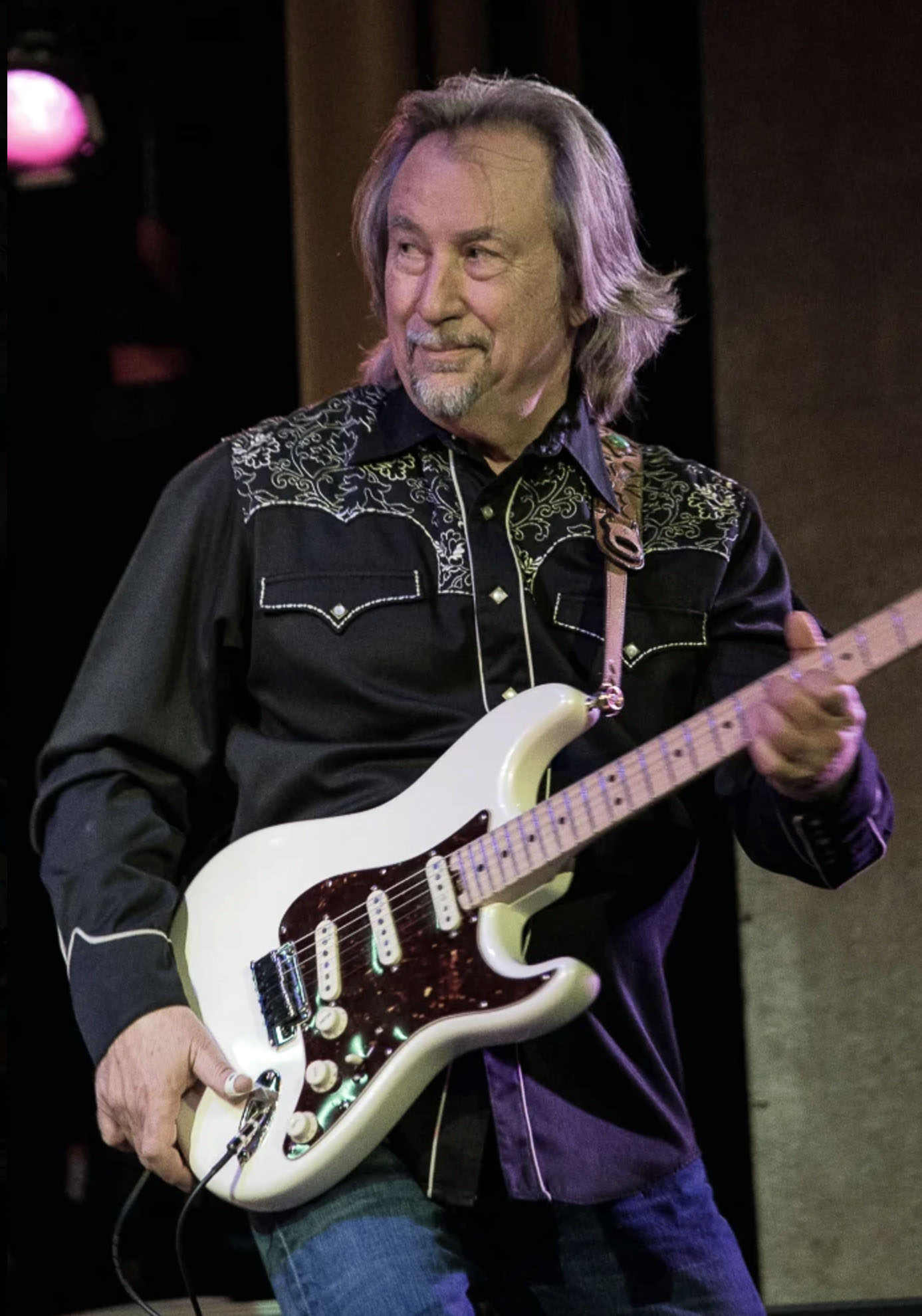
Jim Messina. Photo by Deb Martin.
Jim Messina is a musical journeyman, to be sure—but he is so much more. As a musician, studio craftsman, singer‑songwriter, producer of groundbreaking albums, and pioneer across multiple genres, he has spent decades shaping American music while remaining largely under the celebrity radar. He is, in every sense, an unsung hero: an influential innovator whose fingerprints are all over the soundtrack of the last half century, even if his name isn’t always front and center. He has been there influencing, mentoring, and inspiring his fellow artists.
This month he brings his signature sound to San Diego and Orange County, performing at the Belly Up (May 5) and the Coach House (May 3). His live concerts feel like a tent‑revival celebration of his remarkable legacy, as he moves through the songs he wrote, arranged, produced, or helped bring into the spotlight. With his Nashville based band, The Roadrunners, drawing from their latest live release, Here, There and Everywhere, the show is a journey through Jim Messina’s unique blend of country-rock, jazz fusion, progressive jams, and his own distinctive ballads and love songs. In the process, the audience travels with him through the quilted legacy of his contribution to great American music.
During the show he revisits the musical eras he helped create. Messina guides the audience from the spirit of Buffalo Springfield to the high‑energy Poco years and into the beloved Loggins & Messina classics—whether it’s his own “Watching the River Flow” or familiar favorites like “Danny’s Song.” With country‑rock standards such as “Better Think Twice,” from his Poco years, Messina has traveled a long, well‑worn road of inspired original music that he helped to shape.

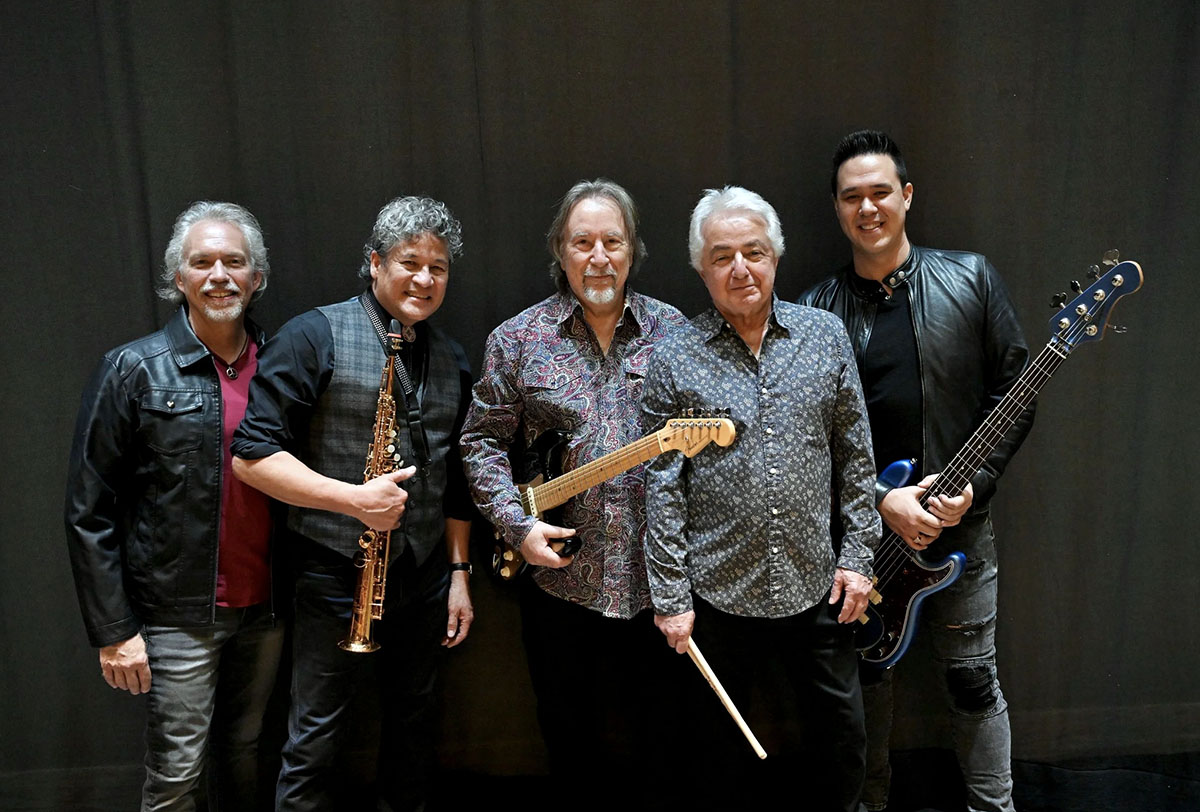
Messina & his current band will be at the Belly Up on May 5.
As Messina prepares to head back out on the road, he steps away from his Nashville home studio, where he has lived for the past nine years. In a recent interview with the San Diego Troubadour, he reflected on the magnetic pull of his Southern roots—both in choosing Nashville as his home and in the music that continues to shape his life.
“My family was originally from Tennessee. My grandfather, my mother, and my grandmother on that side were from the Dallas/Fort Worth area. So, Tennessee and Texas have always been part of my life. Coming here just felt right—the people, the community. It’s a wonderful place to live at this point in my life. Like the song I wrote, ‘Be Free,’ with the rivers and the trees… it doesn’t get much better.”
Jim Messina was born in Maywood, California, a working‑class suburb of Los Angeles. When his parents divorced during his early childhood, his life split between two very different worlds: the bustle of Southern California and the slower, wide‑open feel of Harlingen, Texas, near the Rio Grande Valley. It was in these early years that the foundation of his musical identity began to take shape, guided largely by his father.
Messina often credits his father as the catalyst for his lifelong devotion to music.

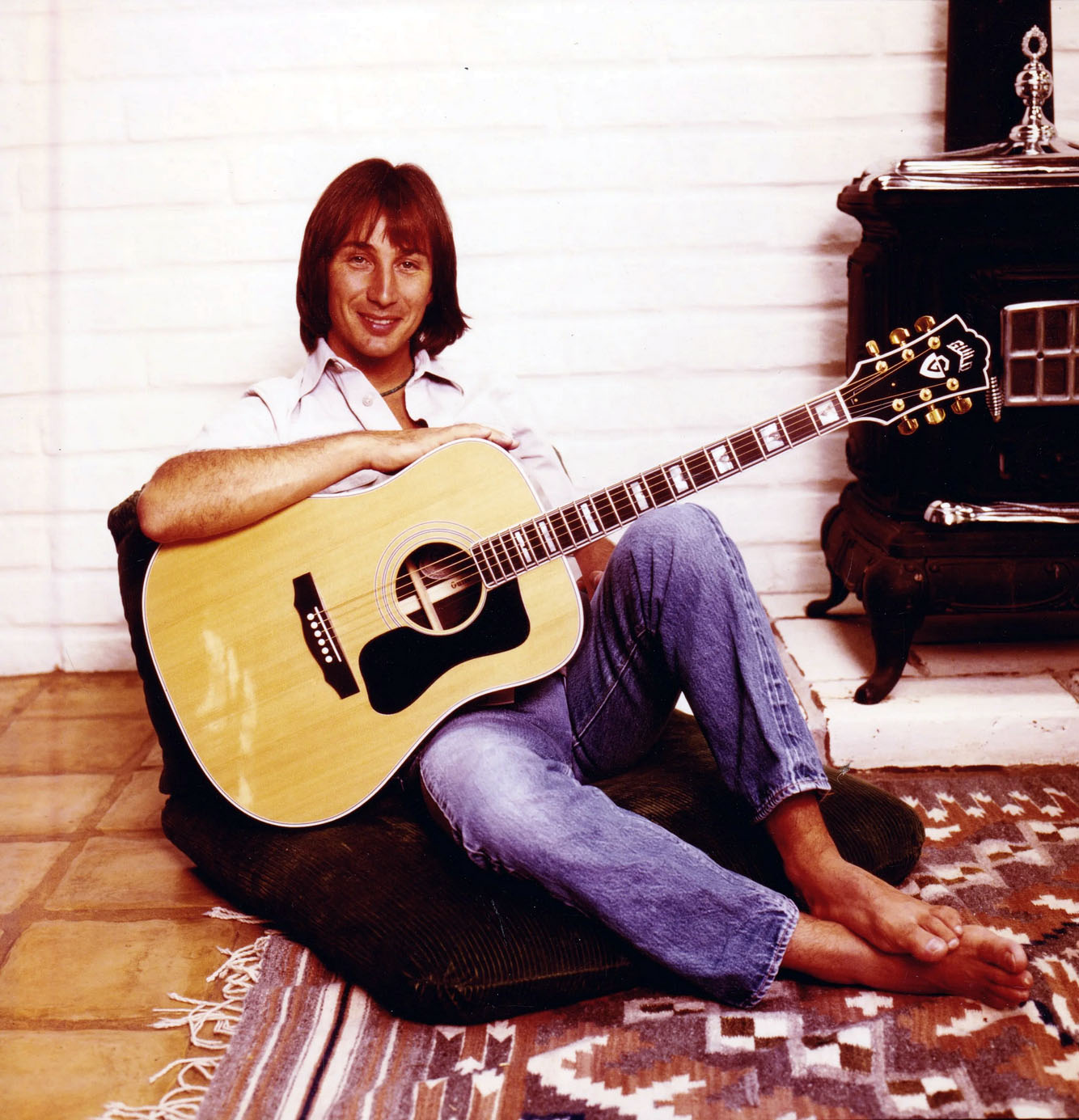
Young Messina
“My father was a musician, and he had a little band when he was 20,” he recalled. “He played Western Swing—Bob Wills and the Texas Playboys. He was a big fan of Merle Travis. From his collection, after he died, I recovered Lefty Frizzell and Hank Williams records.”
Watching his father play became an early inspiration and apprenticeship for the young boy.
“I was mesmerized by his fingers and how well he was able to play,” Messina said. His father worked at a company that manufactured parts for the toy Mickey Mouse guitar, and he would bring one home for Jim. “Somewhere between practicing on that toy guitar, I learned how to play his real guitar,” he laughed.
It was unassuming childhood moments like these—hands on a toy guitar, eyes fixed on his father’s playing—that became the roots of a career that would eventually help shape the sound of American popular music.
During his childhood, Messina spent summers with his father in California. By his teenage years, he was living in South Bay just as the surf scene was exploding. “When I was in 8th grade I was living in Redondo Beach, and it was surfing, surf music, surfers and hodads, Beach Boys and beach bunnies.”
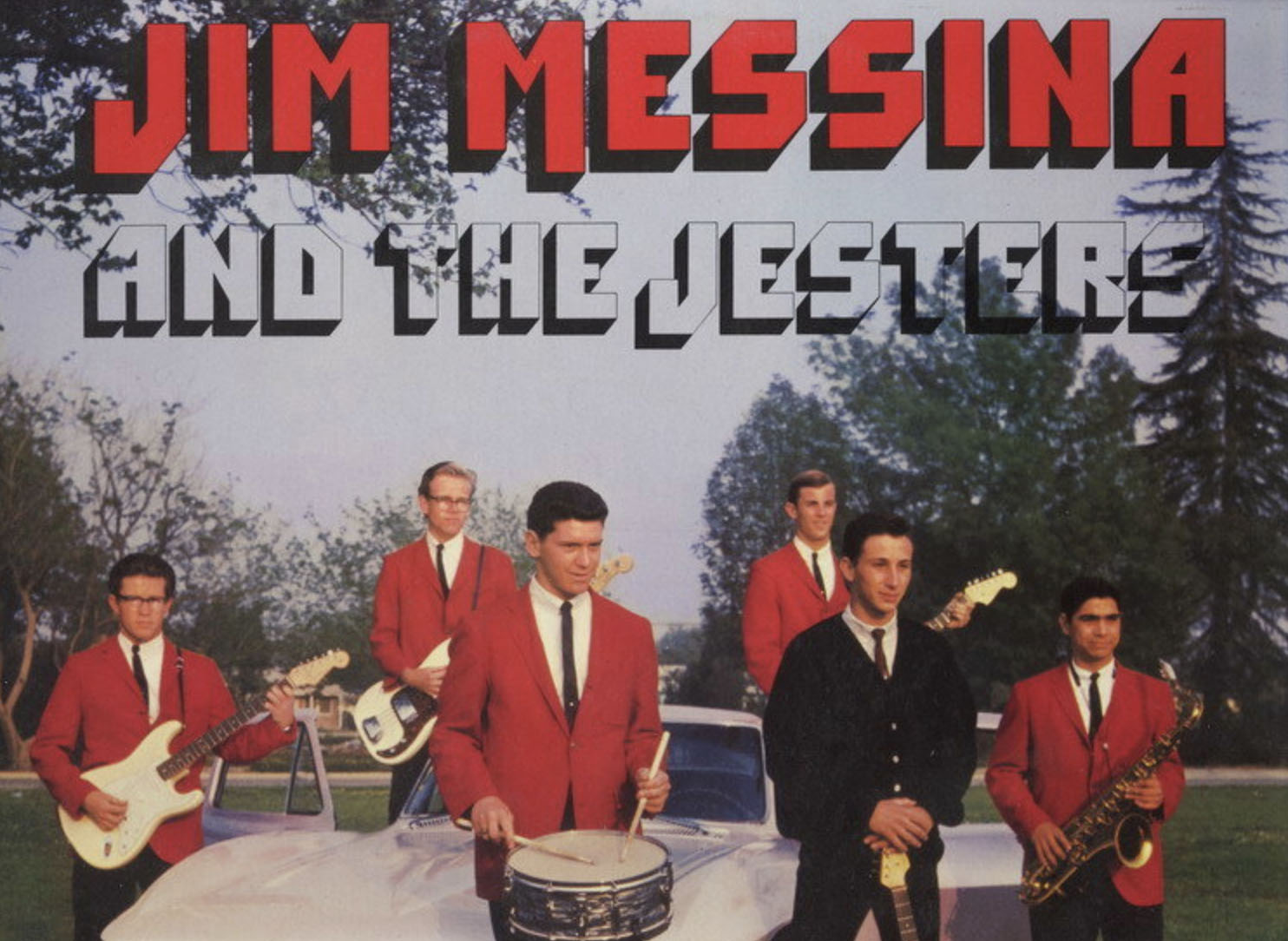
This environment led Messina to form Jim Messina and his Jesters. It was with this Southern California surf band that he made his recording debut at age 17 on the1964 album The Dragsters. During this period—while finishing high school in Colton, where his family had relocated from Redondo Beach, his commitment to music became serious. A gifted guitarist with sharp musical instincts, Messina quickly became known within the evolving Los Angeles music scene.

During his senior year of high school, Jim Messina regularly made the long commute from Colton to Los Angeles to pursue work in recording studios. Through local DJ Glen Edwards, he met a studio engineer who became a mentor and offered him an apprenticeship. Messina later explained that he doubted he could compete as a guitarist with established players like James Burton and Glen Campbell, so he turned his focus toward engineering instead.
Messina quickly moved through several independent studios before landing at Sunset Sound Recorders, where he engineered David Crosby’s early demo recordings of Joni Mitchell, prior to her signing with Reprise Records. His work with Crosby led to a referral to Buffalo Springfield, who hired him as an engineer for their second album, Buffalo Springfield Again.
As the band became increasingly unstable, Messina was eventually asked to step in not only as engineer but also as a member of the group and producer of their final album, Last Time Around. He later recalled that he had no idea the band was on the verge of breaking up. Neil Young and Stephen Stills were pursuing their own creative directions, while Richie Furay needed a producer to help shape his material.

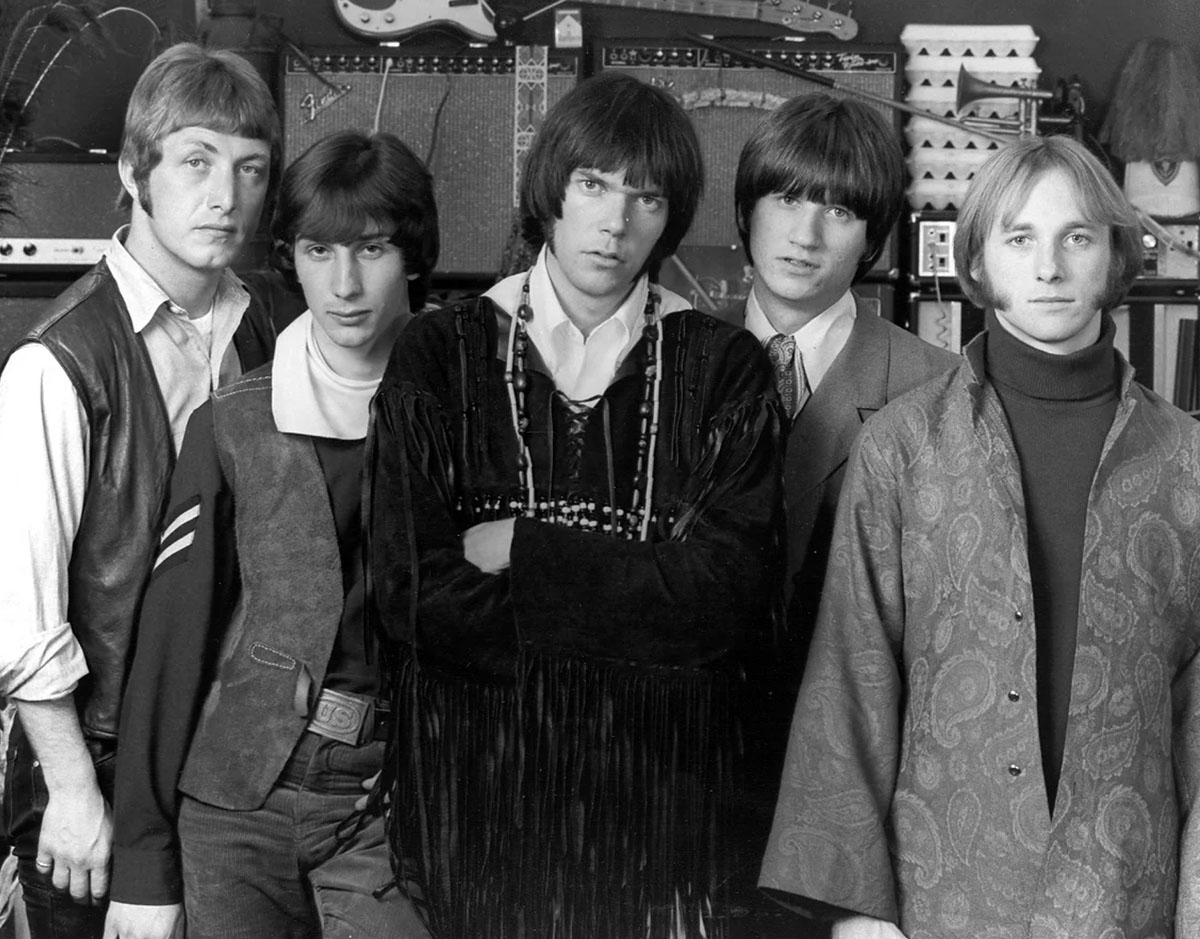
Buffalo Springfield (l to r. Dewey Martin, Messina, Neil Young, Richie Furay, Stephen Stills ca. 1967.
To finish the album, the sessions were moved to New York City. Although the entire band was scheduled to attend, only Richie Furay and Jim Messina showed up. Messina hired top New York session musicians to complete the remaining tracks, incorporating basic parts that Neil Young and Stephen Stills had sent in for songs such as “Uno Mundo,” “Questions,” and “I Am a Child.” Steel guitarist Rusty Young was brought in to record Furay’s “Kind Woman,” a performance that foreshadowed his future role in Poco. Despite the fractured production process, Last Time Around is now regarded as a cohesive and artistically successful album, with Messina at its center as producer.

During the Last Time Around sessions, Messina also began to recognize Richie Furay’s desire for musical continuity after the collapse of Buffalo Springfield. The two shared a strong creative rapport, and as the Springfield era came to a close, they agreed to form a new band that could carry forward the spirit and energy they had brought to the final album. That vision of a new band became Poco.
Their commitment to artistic integrity and their belief in the emerging blend of country and rock helped secure a contract with Epic Records. Poco’s debut album, Pickin’ Up the Pieces, followed by their self‑titled second album, and the dynamic live release Deliverin’, laid the groundwork for what would soon be recognized as the country‑rock movement. The sound they crafted—rooted in Furay’s melodic sensibilities and Messina’s production instincts—was fresh, vibrant, and unlike anything else in the rock landscape at the time.

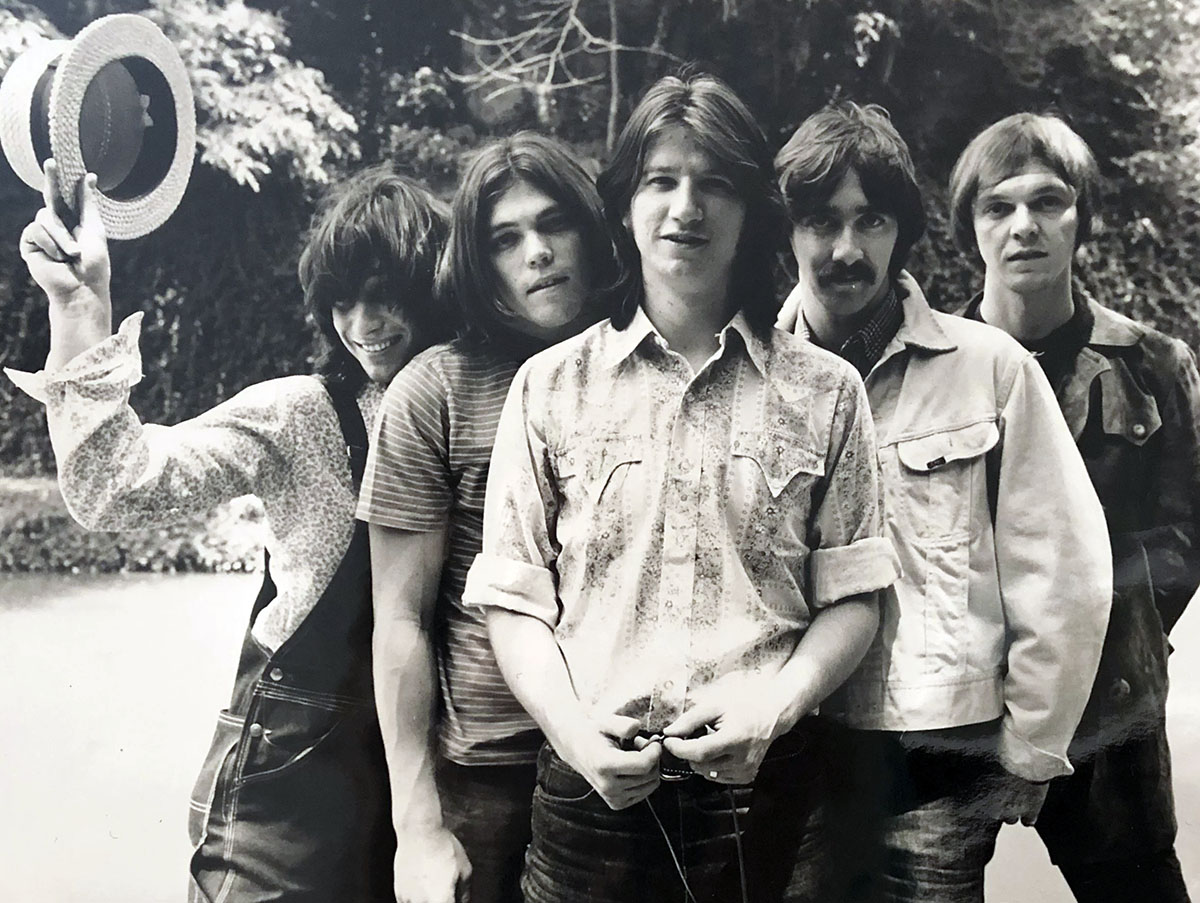
Poco 1970: Messina (far left),
Poco’s early years were marked by both innovation and frustration. As Jim Messina later noted, the band struggled with radio play and commercial identity—“too country for rock ’n’ roll and too rock ’n’ roll for country.” That very tension, however, fueled the originality of their sound. The first albums—Pickin’ Up the Pieces, Poco, and the live Deliverin’, all produced by Messina—captured a rare blend of drive, musicianship, and ambition that helped define the emerging country‑rock movement.
On stage, the Furay–Messina vocal partnership delivered a chemistry that was unmistakable, while Rusty Young’s steel‑guitar showmanship electrified audiences and pushed the band’s energy into overdrive. Concert footage from the era still reveals how fully Poco hit its stride in 1969.
But during the sessions for the second album, Messina recognized that Richie Furay was ready to lead the band’s creative direction. Messina’s own long‑term goal was record production, and a pivotal meeting with Clive Davis provided the path forward: he would finish Deliverin’, help secure a strong successor, and leave Poco stable despite the lack of early commercial breakthroughs. In return, Davis brought him on as an independent producer for Columbia Records.
Paul Cotton, fresh from Illinois Speed Press, stepped in seamlessly. As Messina and Cotton worked side by side during the final mixing of Deliverin’, the transition took shape with unusual ease. Within weeks, Poco executed one of the smoothest lineup changes in rock history—just as Messina moved confidently into the producer’s role that would define the next chapter of his career. The band would continue, with and without Furay, for the next half‑century.

As Jim Messina settled into his new role as an independent producer at Columbia Records, the singer‑songwriter movement was at its peak, with James Taylor and Carole King reshaping the landscape through deeply personal, bestselling albums. A&R executives were urgently searching for the next voice of the era, which led to a little-known singer-songwriter, Kenny Loggins.
Introduced to Messina in 1970 while Loggins was working as a staff songwriter for ABC-Dunhill, the two had a session Messina’s living room to record a set of demos of Loggins’ songs. What followed was a story of rock ‘n’ roll success paired with a lifelong friendship. With Messina’s guidance, Loggins secured a six‑album deal with Columbia with Jim Messina on board as producer. He immediately set about building a sound that defied convention.

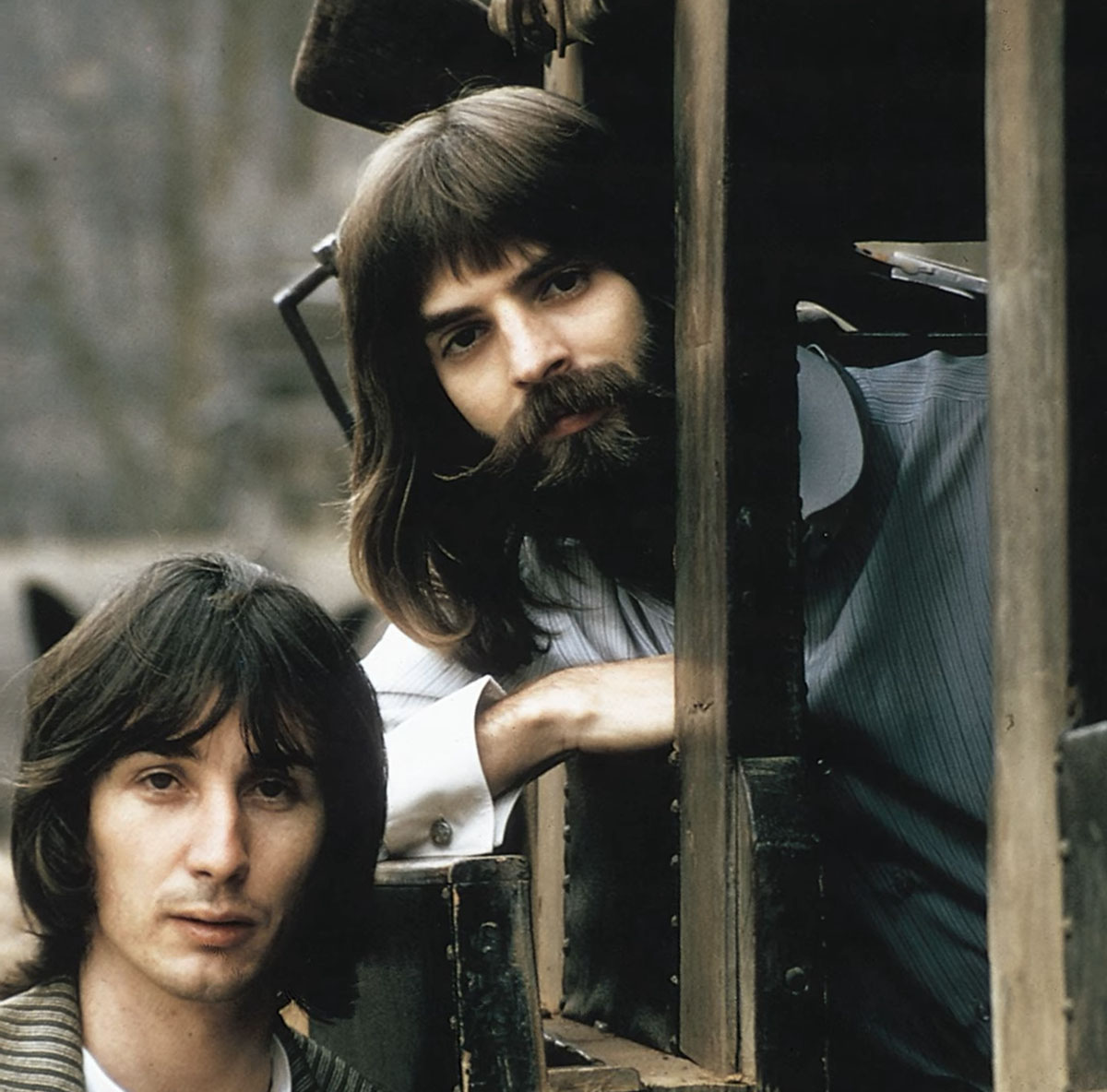
Screenshot
Here’s the rub. Messina could hear in Kenny Loggins’ vocal character a vocalist who could sing country and rhythm & blues equally well. So, Messina caught on to a unique vision to surround this young, talented vocalist and songwriter with a fusion of styles that merged soul music with rock ‘n’ roll and country-rock with a distinctive jazz flavor, adding in Latin and Caribbean undertow along the way. It was a gloriously original sound that gave Kenny Loggins the confidence and freedom to write and sing in ways he may never have dreamed possible. It also led to phenomenal success. Messina recruited elite musicians, such as Merel Bregante and Michael Omartian. He also crafted on the albums that followed, a rich, genre‑blend that was an unheard‑of sonic palette for a sensitive singer‑songwriter at the time. Kenny Loggins rose to the occasion and then some. But, it was Jim Messina as a recording artist stepping outside of his producer role, who became the surprise.
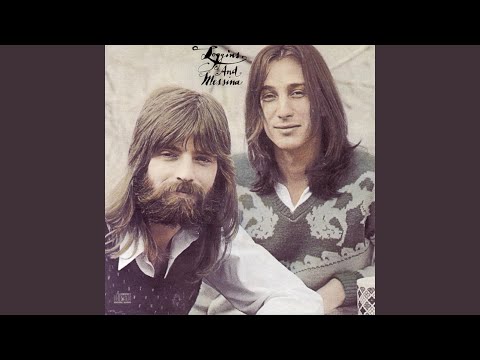
Messina’s musical fingerprints became so integral to the project that the resulting album was issued as Kenny Loggins with Jim Messina Sittin’ In, a credit that soon evolved into a full partnership. Before long, Loggins & Messina emerged as one of the most successful duos in rock history, ultimately selling more than 16 million records and confirming that Messina’s instincts as a producer—and collaborator—were every bit as sharp as his earlier work with Buffalo Springfield and Poco. The duo went on to score hits like “Your Mama Don’t Dance (and Your Daddy Don’t Rock ‘n’ Roll)” and “Thinking of You.” The duo became a dominant part of the early to mid ’70s and even after Kenny Loggins finally left for his pending solo career, they have had successful reunion tours and remain friends to this day.
As a solo artist, Jim Messina has never stopped chasing new colors in the musical palette, blending genres in ways that feel both surprising and immediate-in the moment. In 2009, he ventured into yet another creative current with Under a Mojito Moon, Part 1, an album built entirely around the voice of his flamenco guitar. The project leans into Latin‑based textures—trumpet, percussion, drums, piano, and that beautifully romantic nylon‑string tone—woven into melodies that carry the pulse of Cuba and the elegance of Spain. It’s Messina charting another corner of the musical map, still unmistakably original.
As Jim Messina and the Roadrunners take the stage, he brings a show that’s as entertaining as it is artistically dynamic.. It’s the sound he forged decades ago—through producing, writing, and performing some of the finest chapters in American music—still alive, still evolving, and still entirely his own.
Jim Messina at the Belly up, Tuesday, May 5, 8pm.