CD Reviews
ANNA BALLEW: Bloom

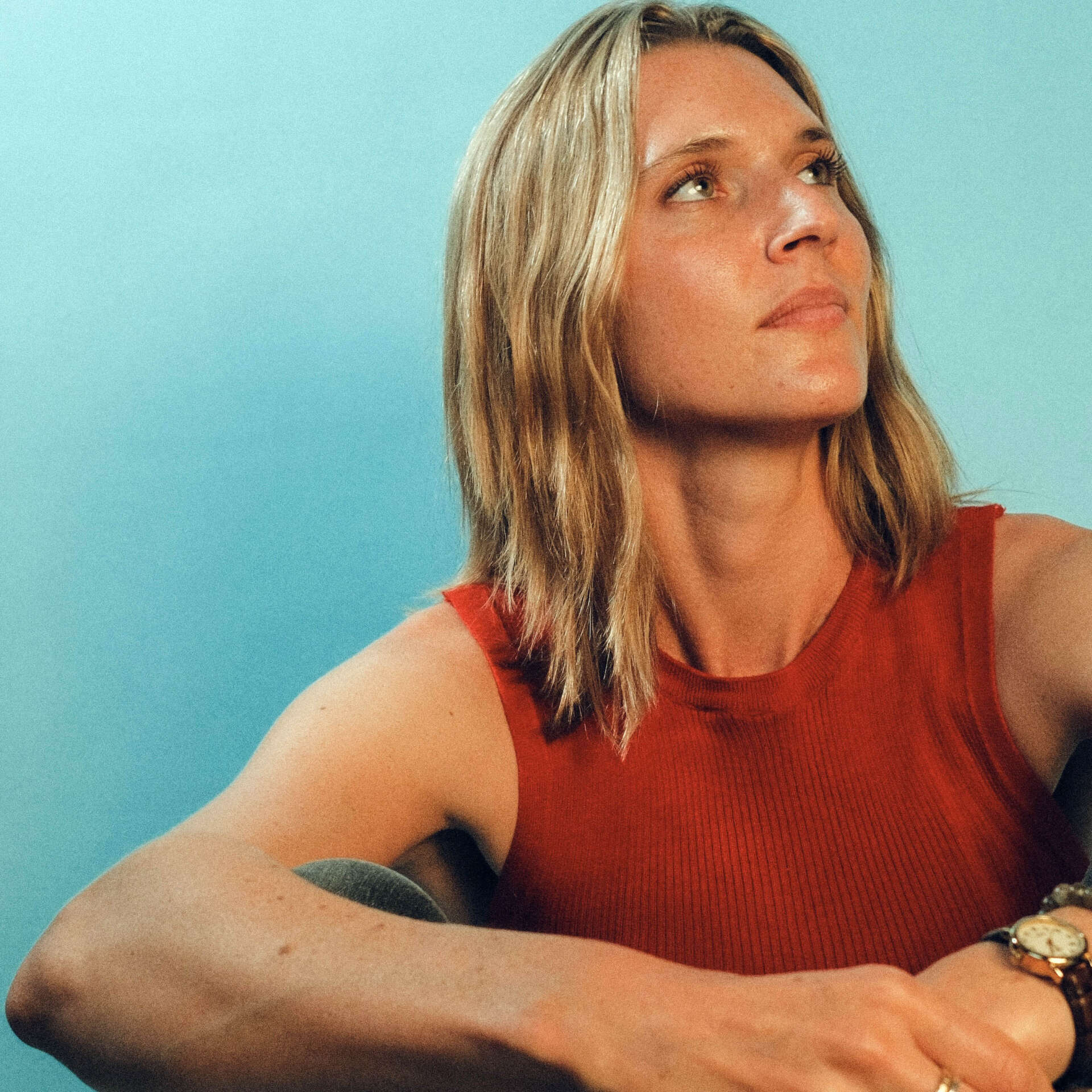
There are albums you admire from a distance. Then there are albums that invite you to take your shoes off. Anna Ballew’s debut album, Bloom, belongs firmly in the second category.
Listening to Bloom feels like bare feet on carpet. Like soft couch cushions after a long day. Like the moment a conversation stops trying to impress anyone and quietly becomes honest. Across seven beautifully crafted songs, Ballew creates something increasingly rare—not simply a collection of remarkable performances, but a place. A place where healing is slow, vulnerability isn’t performative, and heartbreak and hope are allowed to occupy the same room without competing for attention.
It is an album built on a quiet kind of hospitality.
Drawing effortlessly from folk, jazz, soul, and Americana, Bloom feels timeless without sounding beholden to the past. There are echoes of artists like Norah Jones, Diana Krall, and Sade, but Ballew never disappears beneath her influences. The warm glow of flugelhorn, Rhodes piano, acoustic guitar, slide guitar, flute, understated horn arrangements, and lush vocal harmonies creates a sound that feels organic, spacious, and deeply human. Every instrument breathes. Every arrangement leaves room for silence to do its work. Nothing feels ornamental. Every note serves the song.
That cohesion is no accident. Co-produced and arranged by San Diego Music Award winner Joshua Taylor and recorded by Grammy Award-winning engineer Alan Sanderson at Pacific Beat Recording Studio, Bloom possesses the confidence of a record that knows exactly what it wants to be. The production is intimate without feeling sparse, polished without sacrificing humanity. Rather than smoothing away every edge, it preserves the feeling of musicians listening carefully to one another in real time.
That spirit extends beyond the production itself. Bloom is unmistakably the work of a community. Featuring contributions from Joshua Taylor, Noah Williams, Harley Magsino, Jules Stewart, Jordan Adams, Wili Fleming, Gabe Carson, Jesse Audelo, Lauren Leigh, Sandi King, Joy Fuliga, Rachel Jay, Joe Summers, Will Stucky, Karl Leo McHugh, and the other musicians credited throughout the album, the record never feels like a showcase of individual talent. Instead, every collaborator seems committed to the same goal: serving the song. In a music industry that often celebrates competition, Bloom reminds us what can happen when remarkable artists choose to listen as carefully as they perform.
At the center of it all is Ballew. Great singers can stop a conversation. Anna Ballew starts one.
Her voice is one of the most compelling instruments on the record—not simply because of its remarkable range, but because of the way it makes you feel. She moves effortlessly from feather-light intimacy to soaring, full-bodied power, yet even at its most commanding there is never a trace of harshness. The power never feels imposed upon the listener; it feels offered. Her voice doesn’t overwhelm. It embraces. There is warmth in every phrase, a quiet confidence that welcomes rather than demands attention. Listening to Ballew sing feels remarkably similar to being greeted by someone who is genuinely happy you’ve arrived. Before long, you stop noticing the technique altogether and simply trust her enough to follow wherever the song leads.
That same generosity defines her songwriting. Throughout Bloom, Ballew explores identity, grief, love, resilience, and self-acceptance with remarkable emotional clarity. Rather than relying on sweeping declarations, she grounds her writing in lived experience, allowing small moments to carry profound emotional weight. “Mastered My Disguise” examines the exhausting work of becoming someone others expect us to be. “All in Kind of Love” wrestles with the impossible tension between holding on and letting go. “Gardens” quietly delivers one of the album’s most affecting lines: “I miss knowing you. But look at what bloomed.” It is a lyric that understands grief and gratitude are not opposites. Sometimes they arrive holding hands.
Perhaps the greatest achievement of Bloom is that it never mistakes vulnerability for spectacle. These songs don’t ask us to admire pain or applaud resilience. They simply tell the truth with compassion, trusting listeners to discover pieces of themselves in the spaces between the notes.
That may be the album’s greatest gift. Like the slow, unseen work of a garden, Bloom reveals itself gradually. Every listen uncovers another harmony, another lyrical turn, another quiet revelation that had been patiently waiting beneath the surface. The title ultimately reveals itself not as a destination, but as an invitation. To bloom, Ballew suggests, isn’t to become someone new. It’s to stop hiding the person who has been there all along.
The best records don’t simply occupy a room, they leave it changed.