SUE'S SPOTLIGHT: Women in Blues and Jazz
Sue’s Spotlight: Annie Ross, Blossom Dearie, Ketty Lester
I have always been interested in periods of time when artistic inspirations and geography seem to coalesce into what, a few years later, would be called a “scene.” Some of these periods include the Harlem Renaissance of the 1920s and ’30s, Paris after World War I and II, New Orleans in the teens of the 20th Century, Kansas City in the 1930s, Los Angeles and Central Avenue in the 1920s and ’30s, scenes in the later part of the century, like the rock and punk scenes, and in the 21st Century, scenes like the hip hop and house subcultures. We’re probably part of the post-pandemic inspiration now, but it’s too early to define it quite yet.
ANNIE ROSS 1930-2020

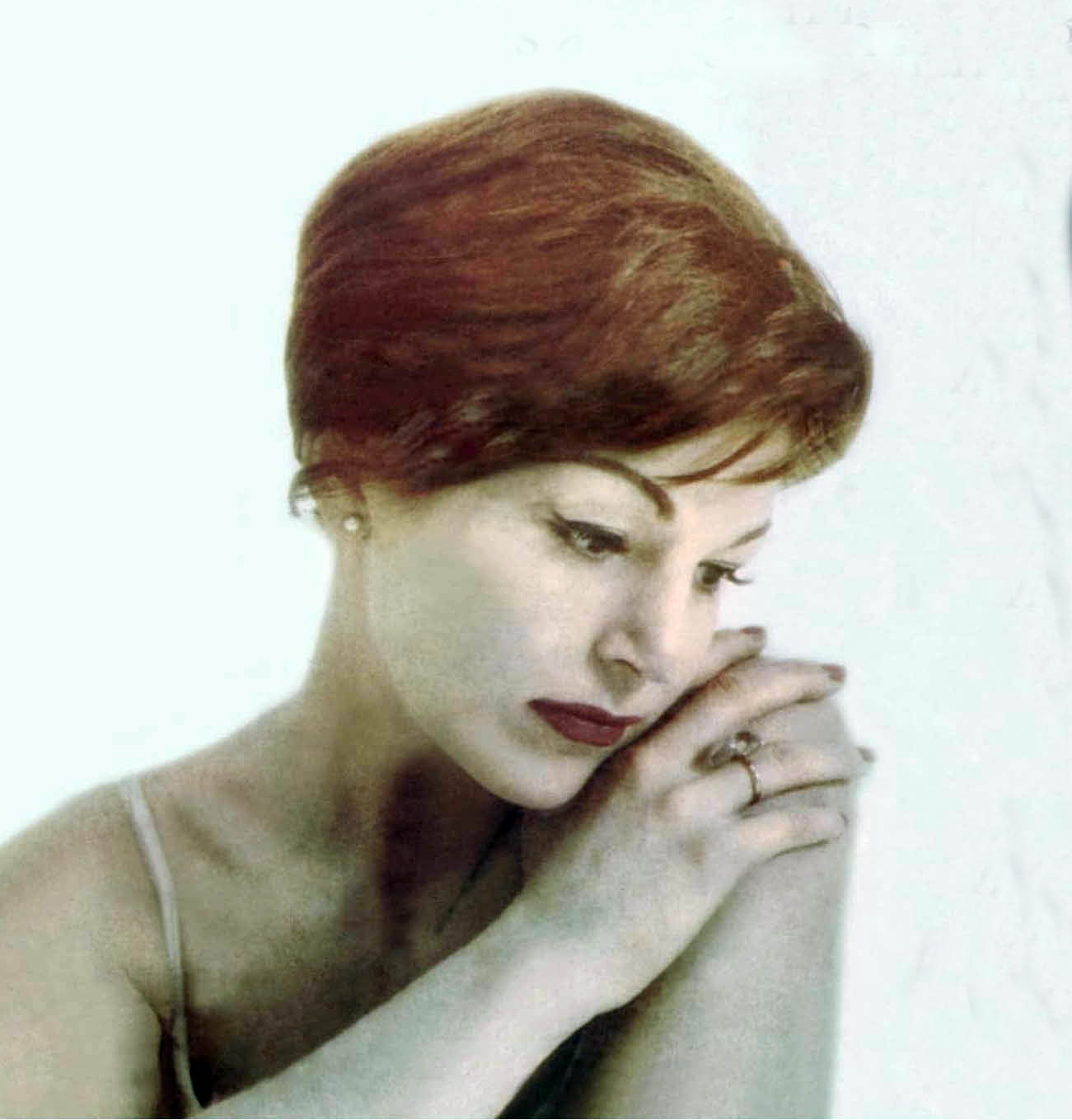
Annie Ross
One of the female musicians that embodied the Manhattan scene of the 1950s was Annie Ross. Born in London in 1930, her parents were Scottish vaudevillians. Her mother gave birth to her after a matinee performance and went on afterward to perform a night show!! She grew up surrounded by musicians and performers. Her aunt, Ella Logan, was a Scottish-American singer, who appeared on Broadway and had a nightclub career in the U.S. and internationally. She brought Annie to the U.S. when she was four years old. Annie began performing with her family at the age of three. In Los Angeles, she was in a few movies (including the Our Gang series) and ended up moving to Paris before she finished high school, in the late ’40s. Two years later, she was back in NYC and got a call from the producer of Prestige Records, a new jazz label. Bob Weinstock asked her to write lyrics for a jazz instrumental, and it became her best-known song, “Twisted.” Wardell Gray, a tenor sax player, wrote the tune, and Annie recorded the vocal. Downbeat, America’s most prestigious jazz magazine, recognized her as a “new star.”

Annie Ross comes across as the iconic hipster of the ’50s, with all the glamour of that period: cigarettes and martinis, beatniks, bebop music, rebellion, drugs, and alcohol. She radiated ease and mystique on stage but was personally plagued by heroin addiction like many artists at that time, such as Miles Davis, Charlie Parker, Lenny Bruce, Billie Holiday, William Burroughs). “A little bit here, a little bit there, and it built,” she said. “It always does. It was part of that time. Long hours, having to produce, needing stimulation. I guess you’re young and foolish and think you’re going to live forever.”

“Twisted” launched Annie’s solo career. A few years later, she was invited by Dave Lambert and Jon Hendriks to join her in a vocalese trio. Vocalese is a sophisticated style of jazz singing, where lyrics are sung to match the complex, preexisting recorded solos of instrumentalists. King Pleasure as well as Lambert, Hendricks, and Ross were pioneers in this field. Annie had been inspired by King Pleasure’s vocal recording of James Moody’s “Moody’s Mood for Love,” when she wrote “Twisted.” The trio became an instant hit and began an extensive touring schedule around the the world and a five-year relationship. This was the zenith of the 1950s’ most exuberant and swingin’ jazz as well as a major inspiration to many, including Manhattan Transfer; some consider it a forerunner to modern rap and hip hop, with its rapid-fire lyrical delivery. They were together from 1957-1962. They recorded, among others on Paramount, “Sing Along with Basie,” in 1958, which won them a Grammy in 1998.

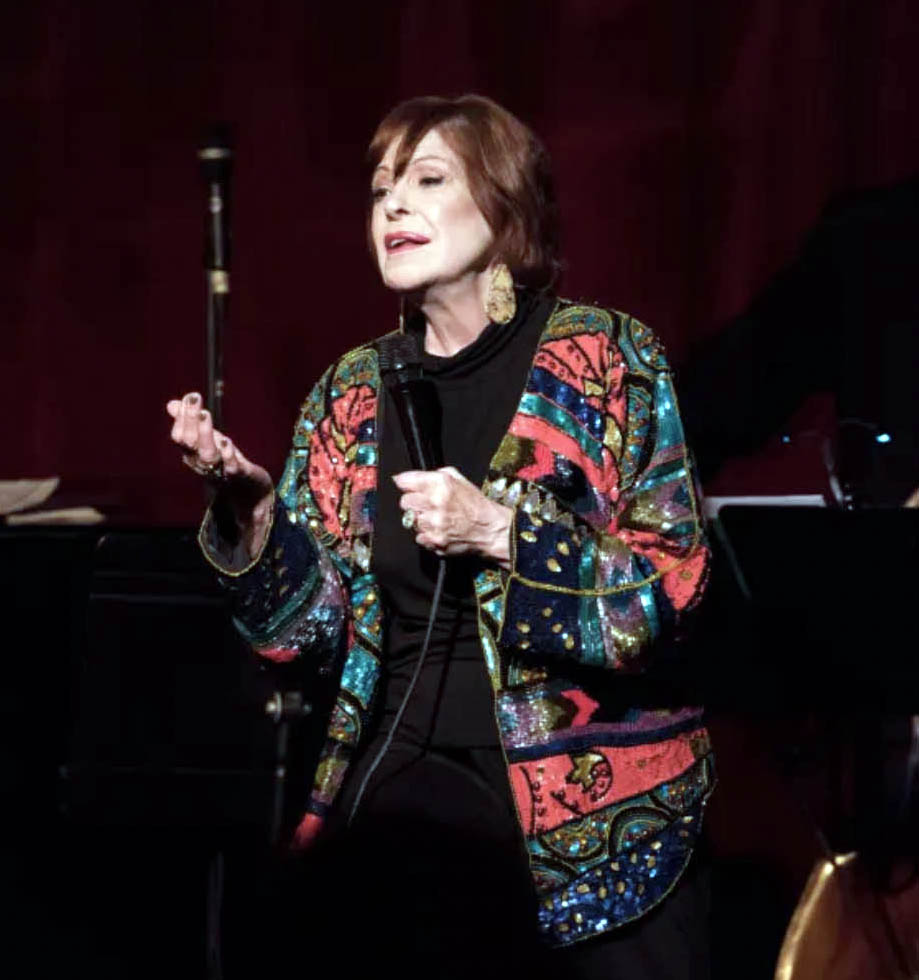
Ross left the group for personal reasons and opened a nightclub in London—Annie’s Room—featuring the hippest musicians of the day, including Nina Simone, Joe Williams, Anita O’Day, Stuff Smith, and Blossom Dearie. Annie went on with a movie career, including Robert Altman’s Shortcuts and several others. She continued singing until she died, with a Tuesday night residency at the Metropolitan Room, a New York cabaret. Her last performance was at the 75 Club in downtown Manhattan, in December 2017. She smoked pot and cigarettes and drank martinis until the end. “People say, ‘You still smoke?’ And I say to them, ‘Honey I am over 80 years old. I can do whatever the hell I please.’”

BLOSSOM DEARIE 1924-2009

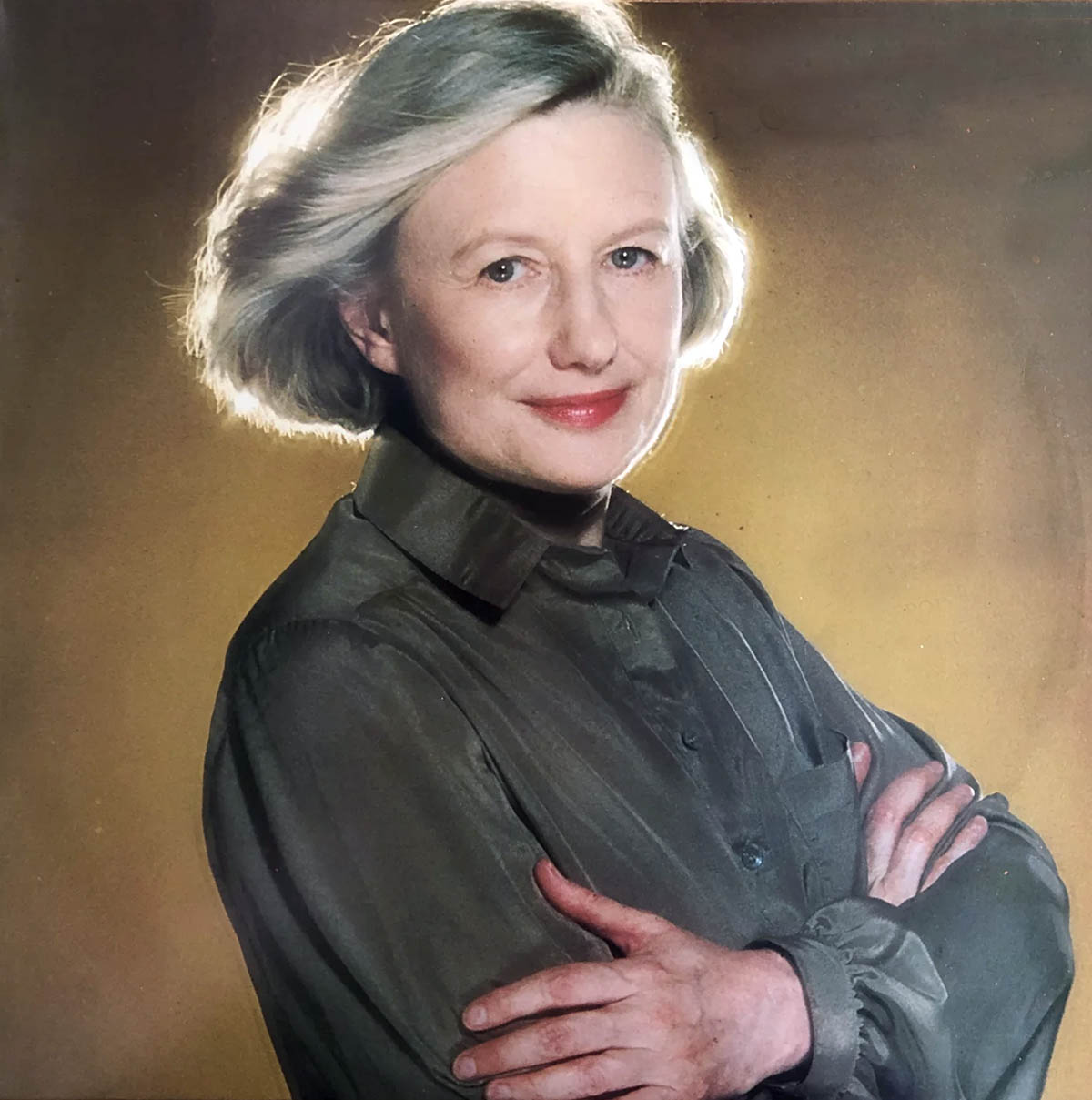
Blossom Dearie
Another jazz artist who was deeply involved within the same time period was Blossom Dearie. The first time I heard her voice, I was kind of shocked. Most of the jazz singers I listened to had big, full voices. Dearie has an almost little girl quality to hers, high and with very little vibrato. But what she does with it, complementing herself on piano, is magical and fascinating. She was born in New York, moved to Manhattan after high school, and became mesmerized by the jazz scene. She moved to Paris in 1952 and formed a vocal group called The Blue Stars. They recorded a French version of “Lullaby of Birdland,” and that became a hit in France in 1954. It was here that she began working with contemporaries Annie Ross, Bobby Short, Miles Davis, and many others. She was a major part of the era’s jazz scene. You won’t hear her “belt,” and she rarely scatted. The critics said her vocal sound was caused by imperfect technique. She insisted on a no-smoking policy from her audience in the ’50s!!!, hated for food service to take place or talking during her performances. Her piano playing was deeply admired by jazz great Bill Evans, and Miles Davis called her “the only white woman with soul.” Called “the maverick with the soft voice,” she recorded a vocalese song with aforementioned pioneer King Pleasure’s vocal version of “Moody’s Mood for Love,” in 1954. Her voice was described by The New Yorker magazine as “a childish treble with post-graduate lyrics.”
She returned to New York City in 1957 and recorded six albums on the Verve label, mostly as part of trios and quartets. She frequently played the New York supper clubs and began a long stint at London’s prestigious Ronnie Scott’s Club in the ’60s. She founded her own record label, Daffodil Records, in 1973, and began selling her albums from the bandstand. This was way ahead of her time, insisting on recouping her own royalties. What a concept!!!
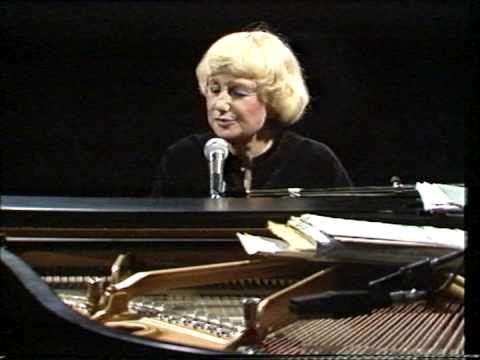
She was a quirky and very private person, although not as flamboyant as many other artists. She was popular on TV shows (Jack Paar) and, in person, recorded in several movies, seeming to be in the right place at the right time throughout her whole life. Her last performance occurred in a New York cabaret, in 2007, and she died two years later, at the age of 84. She was the epitome of a musician’s musician, incorporating well-crafted midcentury sophistication.
KETTY LESTER 1934-

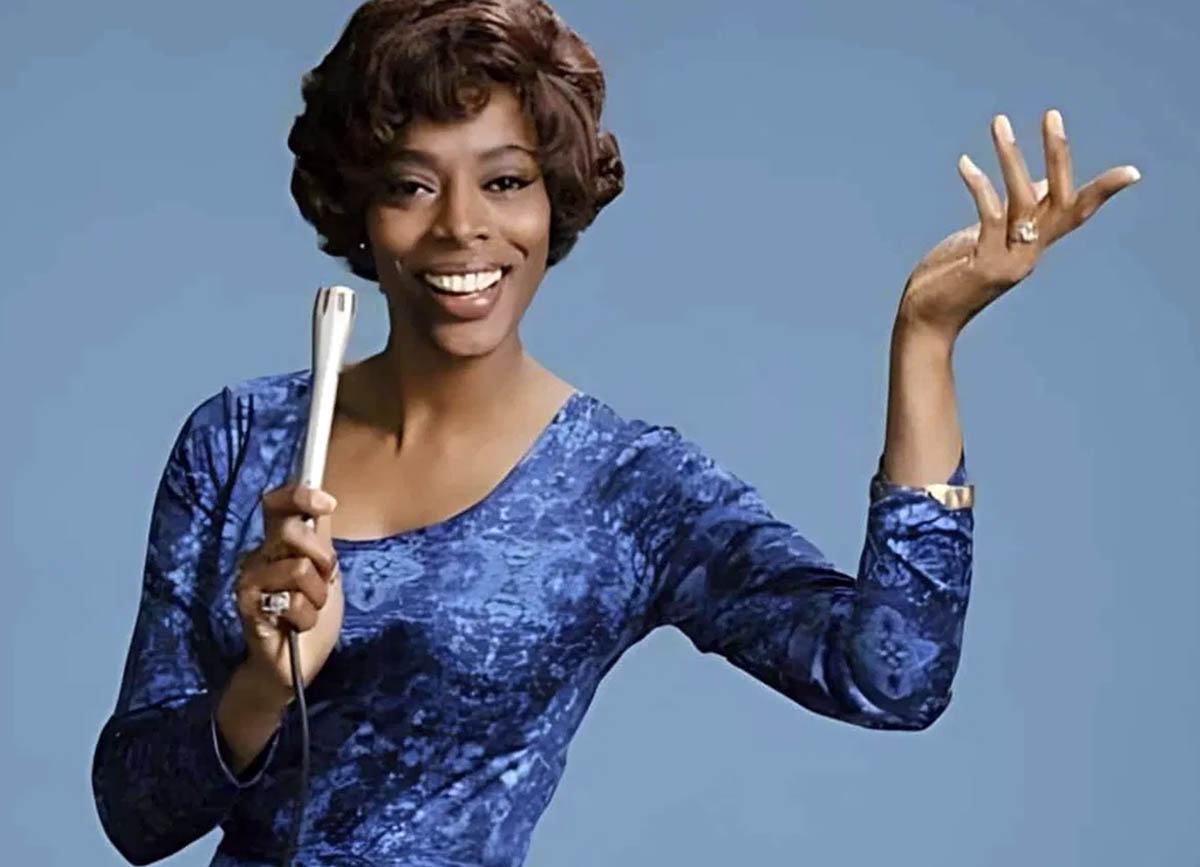
Ketty Lester
Coming from a very different part of the U.S., Ketty Lester was born in Hope, Arkansas (birthplace of President Clinton). She received a musical scholarship to go to San Francisco State, moving to California in the early ’50s. She began headlining at the Purple Onion there, later joining Cab Calloway’s band. She opened for the Everly Brothers in London, in 1962, following the Billboard hit “Love Letters.” It got her a Grammy nomination in 1963 (Ella Fitzgerald won that year). She appeared on Shindig, with backup trio the Blossoms, featuring Darlene Love, with “I’ll Be Looking Back.”

She changed her career to acting in the ’70s and ’80s, as her singing career began to falter. Among other shows, she appeared in the black horror show Blacula, in 1972. From 1975-77, she prominently portrayed Helen Gant on daytime TV, Days of Our Lives. She became a regular on Little House on the Prairie, as Hester-Sue Terhune, the teacher at a school for the blind, from 1978-1983. She went back to music in 1984, recording a Christian album. Some critics call it the first Christian rap song early on in that genre. She published her memoirs in 2020, Ketty Lester, From Arkansas to Grammy-nominated “Love Letters” to Little House on the Prairie. She was inducted into the Arkansas Black Hall of Fame in 2022. She has had quite a career in music and theater!! She resides in Los Angeles.
